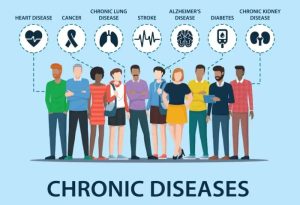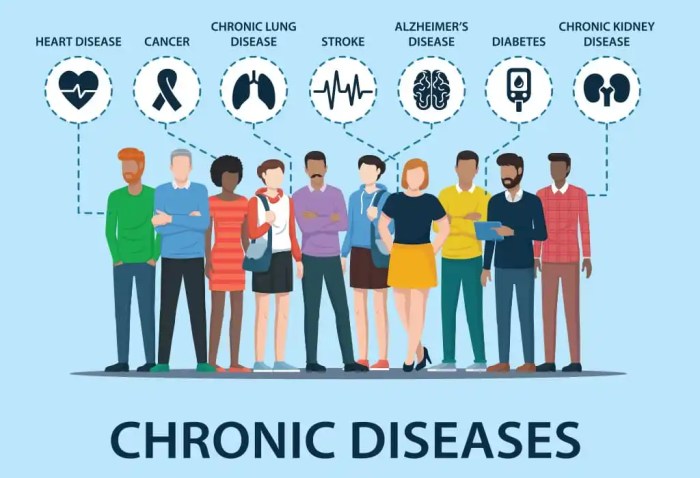
Types of chronic diseases and their symptoms set the stage for this enthralling narrative, offering readers a glimpse into a story that is rich in detail and brimming with originality from the outset. Chronic diseases affect millions worldwide, and understanding their symptoms is crucial for early detection and management.
Types of Chronic Diseases and Their Symptoms
Chronic diseases are long-lasting conditions that can have a significant impact on an individual’s health and quality of life. These diseases often require ongoing management and treatment to control symptoms and prevent complications.
Heart Disease
Heart disease encompasses a range of conditions that affect the heart’s function, including coronary artery disease, heart failure, and arrhythmias. Symptoms may include chest pain, shortness of breath, fatigue, and irregular heartbeat. Without proper management, heart disease can lead to heart attacks and stroke.
Diabetes
Diabetes is a metabolic disorder characterized by high blood sugar levels. Symptoms of diabetes include frequent urination, excessive thirst, unexplained weight loss, and fatigue. Long-term complications of diabetes can affect various organs in the body, leading to kidney failure, blindness, and nerve damage.
Chronic Respiratory Diseases
Chronic respiratory diseases such as asthma, chronic obstructive pulmonary disease (COPD), and pulmonary fibrosis affect the lungs and airways. Symptoms may include coughing, wheezing, shortness of breath, and chest tightness. These conditions can significantly impact an individual’s ability to breathe properly and perform daily activities.
Arthritis
Arthritis is a chronic condition that causes inflammation and stiffness in the joints. Common symptoms include joint pain, swelling, and decreased range of motion. Arthritis can affect various joints in the body, making it difficult for individuals to move and perform tasks that require manual dexterity.
Cancer
Cancer is a group of diseases characterized by the uncontrolled growth of abnormal cells. Symptoms vary depending on the type and location of cancer but may include lumps, persistent fatigue, unexplained weight loss, and changes in bowel or bladder habits.
Early detection and treatment are crucial for improving outcomes and survival rates.
Balanced Diet
Maintaining a balanced diet is crucial for overall health and well-being. A balanced diet consists of consuming a variety of foods that provide essential nutrients in the right proportions to support optimal bodily functions. This includes a combination of fruits, vegetables, whole grains, lean proteins, and healthy fats.
Essential Nutrients for Overall Health
A balanced diet should include essential nutrients such as vitamins, minerals, proteins, carbohydrates, fats, and water. These nutrients play a vital role in supporting various bodily functions, including energy production, immune function, and tissue repair.
- Vitamins: Essential for various biological processes, including immune function, vision, and bone health.
- Minerals: Important for maintaining proper nerve function, muscle contraction, and overall health.
- Proteins: Building blocks for muscles, skin, and other tissues, essential for growth and repair.
- Carbohydrates: Main source of energy for the body, providing fuel for daily activities.
- Fats: Necessary for absorbing fat-soluble vitamins, maintaining cell membranes, and providing energy.
- Water: Essential for hydration, digestion, temperature regulation, and nutrient transport.
Importance of a Balanced Diet in Preventing Chronic Diseases
Consuming a balanced diet plays a key role in preventing chronic diseases such as heart disease, diabetes, obesity, and certain types of cancer. A diet rich in fruits, vegetables, whole grains, and lean proteins can help reduce inflammation, regulate blood sugar levels, and maintain a healthy weight, lowering the risk of developing chronic conditions.
Tips to Maintain a Balanced Diet
- Plan your meals ahead of time to ensure a variety of nutrients are included.
- Include a colorful array of fruits and vegetables in your diet for a wide range of vitamins and minerals.
- Limit processed foods high in sugar, salt, and unhealthy fats to reduce the risk of chronic diseases.
- Stay hydrated by drinking an adequate amount of water throughout the day.
- Practice portion control and mindful eating to prevent overeating and promote healthy digestion.
Mental Wellness: Types Of Chronic Diseases And Their Symptoms
When it comes to chronic diseases, mental wellness plays a crucial role in overall health. The connection between mental health and chronic diseases is significant, as poor mental well-being can exacerbate physical symptoms and make managing chronic conditions more challenging.
Strategies to Improve Mental Wellness
Improving mental wellness is essential for better overall health. Here are some strategies that can help:
- Regular exercise: Physical activity can boost mood and reduce symptoms of anxiety and depression.
- Healthy diet: Eating nutritious foods can support brain function and improve mental well-being.
- Stress management techniques: Practicing mindfulness, meditation, or deep breathing exercises can help reduce stress levels.
- Social support: Connecting with loved ones and seeking support from others can help improve mental health.
Impact of Mental Wellness on Managing Chronic Diseases
Maintaining good mental health can positively impact the management of chronic diseases. When individuals are in a better mental state, they are more likely to adhere to treatment plans, make healthier lifestyle choices, and cope with the challenges of living with a chronic condition.
Mental Health Practices that Promote Well-being
There are various mental health practices that can promote well-being and enhance mental wellness:
- Practicing gratitude: Expressing gratitude can improve mood and outlook on life.
- Engaging in hobbies: Pursuing activities that bring joy and fulfillment can boost mental well-being.
- Getting enough sleep: Prioritizing quality sleep can help regulate mood and improve cognitive function.
- Seeking professional help: Consulting a mental health professional can provide valuable support and guidance in managing mental health challenges.
Physical Fitness
Physical fitness refers to the ability to perform daily tasks with vigor and without undue fatigue. It is essential for maintaining overall health and well-being, as well as preventing chronic diseases.
Types of Physical Exercises
There are various types of physical exercises that can benefit overall health:
- Aerobic exercises: such as walking, running, cycling, and swimming, which improve cardiovascular health.
- Strength training: including weightlifting and bodyweight exercises, which help build muscle mass and increase metabolism.
- Flexibility exercises: like yoga and stretching, which enhance joint mobility and reduce the risk of injuries.
- Balance exercises: such as Tai Chi and Pilates, which improve stability and coordination.
Benefits of Regular Physical Activity
Regular physical activity can help manage chronic diseases by:
- Improving cardiovascular health by reducing the risk of heart disease and stroke.
- Controlling blood sugar levels in diabetes and enhancing insulin sensitivity.
- Strengthening muscles and bones, reducing the risk of osteoporosis and fractures.
- Boosting mental health by reducing anxiety, depression, and stress levels.
Tips for Incorporating Physical Fitness
Here are some tips to help you incorporate physical fitness into your daily routine:
- Schedule regular exercise sessions in your calendar to make it a priority.
- Choose activities you enjoy, whether it’s dancing, hiking, or playing a sport.
- Start with small goals and gradually increase the intensity and duration of your workouts.
- Find a workout buddy to keep you motivated and accountable.
- Take active breaks during the day, such as walking around the office or doing quick stretches.
Adequate Hydration
Staying hydrated is crucial for maintaining overall health as our bodies heavily rely on water to function properly. Dehydration can lead to a variety of health issues and chronic diseases, making it essential to ensure adequate hydration levels.
Significance of Adequate Hydration
Proper hydration plays a key role in preventing chronic diseases such as kidney stones, urinary tract infections, and even certain types of cancer. Water helps in flushing out toxins from the body, regulating body temperature, and supporting the proper functioning of vital organs.
Tips for Maintaining Proper Hydration Levels
- Carry a reusable water bottle with you throughout the day to remind yourself to drink water regularly.
- Set reminders on your phone or computer to take water breaks and hydrate yourself.
- Opt for hydrating foods such as fruits like watermelon, cucumber, and oranges.
- Avoid excessive consumption of sugary and caffeinated beverages that can dehydrate the body.
Hydration-Rich Foods and Beverages
| Food/Beverage | Hydration Level |
|---|---|
| Cucumbers | 95% water content |
| Watermelon | 92% water content |
| Coconut Water | 94% water content |
| Broth-based Soups | High water content |
Regular Exercise
Regular exercise plays a crucial role in preventing chronic diseases and promoting overall health. It offers a wide range of benefits that can positively impact both physical and mental well-being.
Benefits of Regular Exercise
- Improves cardiovascular health and reduces the risk of heart disease
- Helps maintain a healthy weight and reduce the risk of obesity
- Strengthens muscles and bones, reducing the risk of osteoporosis
- Boosts mood and mental well-being by releasing endorphins
- Improves sleep quality and overall energy levels
Types of Exercises Suitable for Individuals with Chronic Conditions
- Low-impact exercises like walking, swimming, or cycling
- Strength training with light weights or resistance bands
- Yoga or Pilates for flexibility and balance
- Water aerobics for joint-friendly workouts
Tips for Creating a Safe and Effective Exercise Routine
- Consult with a healthcare provider before starting a new exercise program
- Start slowly and gradually increase intensity and duration
- Listen to your body and modify exercises as needed to prevent injury
- Stay hydrated before, during, and after exercise
- Include a mix of cardiovascular, strength, flexibility, and balance exercises
Healthy Lifestyle
Living a healthy lifestyle involves making conscious choices to maintain overall well-being and prevent chronic diseases. It encompasses a combination of habits and behaviors that promote physical, mental, and emotional health.
Components of a Healthy Lifestyle
- Eating a balanced diet rich in fruits, vegetables, whole grains, lean proteins, and healthy fats
- Engaging in regular physical activity to maintain a healthy weight and improve cardiovascular health
- Prioritizing mental wellness through stress management, adequate sleep, and mindfulness practices
- Ensuring adequate hydration by drinking enough water throughout the day
Habits Contributing to a Healthy Lifestyle
- Meal prepping and planning to make healthier food choices
- Incorporating exercise into daily routines, such as taking the stairs or going for a walk
- Practicing mindfulness and relaxation techniques to reduce stress levels
- Sleeping for 7-9 hours each night to allow the body to rest and recharge
Tips for Transitioning to a Healthier Lifestyle
- Start small by making gradual changes to your diet and exercise routine
- Set realistic goals and track your progress to stay motivated
- Find activities you enjoy to make staying healthy more enjoyable
- Seek support from friends, family, or a healthcare professional for accountability and guidance
Nutrient-Rich
Consuming a diet rich in essential nutrients is crucial for maintaining overall health and preventing chronic diseases. Nutrient-rich foods provide the body with the vitamins, minerals, antioxidants, and other compounds necessary for optimal functioning and disease prevention.
Essential Nutrients and Benefits
- Vitamin C: Boosts the immune system and promotes healthy skin
- Vitamin D: Supports bone health and may reduce the risk of certain cancers
- Omega-3 Fatty Acids: Reduce inflammation and support heart health
- Calcium: Essential for strong bones and teeth
Examples of Nutrient-Rich Foods
- Leafy green vegetables like spinach and kale
- Fatty fish such as salmon and mackerel
- Nuts and seeds like almonds and chia seeds
- Whole grains like quinoa and brown rice
Tips for Incorporating Nutrient-Rich Foods
- Start your day with a nutritious breakfast including fruits, whole grains, and protein
- Snack on fresh fruits, vegetables, or nuts throughout the day
- Add leafy greens to your salads, sandwiches, or smoothies
- Choose whole grain options for bread, pasta, and rice
- Experiment with different types of protein sources like beans, lentils, and tofu
Stress Management
Stress can have a significant impact on chronic diseases, exacerbating symptoms and leading to overall poorer health outcomes. It is crucial for individuals with chronic conditions to effectively manage stress to improve their quality of life and health.
Impact of Stress on Chronic Diseases
Stress can worsen the symptoms of chronic diseases such as diabetes, heart disease, and autoimmune disorders. It can weaken the immune system, increase inflammation, and elevate blood pressure, all of which can further compromise health in those already dealing with chronic conditions.
Strategies for Effective Stress Management
- Practice mindfulness and meditation to calm the mind and reduce stress levels.
- Engage in regular physical exercise to release endorphins and alleviate stress.
- Ensure adequate sleep to help the body cope with stress more effectively.
- Connect with loved ones and friends for social support and a sense of belonging.
Connection between Stress Reduction and Improved Health Outcomes
By actively reducing stress levels, individuals with chronic diseases can experience improved overall health outcomes. Lower stress levels can lead to better management of symptoms, reduced inflammation, and a stronger immune response, ultimately enhancing the individual’s quality of life.
Examples of Stress-Relief Techniques
- Deep breathing exercises
- Yoga or tai chi
- Progressive muscle relaxation
- Engaging in hobbies or activities that bring joy
Preventive Care
Preventive care plays a crucial role in managing chronic diseases by focusing on early detection, intervention, and lifestyle modifications to prevent the onset or progression of illnesses.
Importance of Regular Check-ups and Screenings
Regular check-ups and screenings are essential in preventive care as they help in early detection of potential health issues, allowing for timely treatment and management. Examples include blood pressure checks, cholesterol screenings, and cancer screenings.
Preventive Measures to Avoid Chronic Illnesses
- Maintain a healthy weight through balanced diet and regular exercise.
- Avoid smoking and limit alcohol consumption.
- Practice good hygiene to prevent infections.
- Get vaccinated as per recommended schedules.
- Manage stress through relaxation techniques and hobbies.
Examples of Preventive Care Practices
- Annual physical exams to monitor overall health status.
- Dental check-ups and cleanings to prevent oral health issues.
- Regular eye exams to detect vision problems early.
- Screenings for diabetes, osteoporosis, and other chronic conditions based on risk factors.
Proper Nutrition
Proper nutrition plays a crucial role in preventing chronic diseases and maintaining overall health. By fueling our bodies with the right nutrients, we can strengthen our immune system, reduce inflammation, and support various bodily functions.
The Role of Balanced Meals
Balanced meals are essential for providing our bodies with a variety of nutrients needed for optimal health. A well-rounded diet should include a mix of carbohydrates, proteins, healthy fats, vitamins, and minerals. This helps in maintaining a healthy weight, improving energy levels, and reducing the risk of chronic diseases.
- Aim to include a variety of fruits and vegetables in your meals to ensure you’re getting a range of vitamins and minerals.
- Incorporate lean proteins such as chicken, fish, beans, and nuts to support muscle growth and repair.
- Choose whole grains like brown rice, quinoa, and oats over refined grains for sustained energy levels.
- Include healthy fats from sources like avocados, olive oil, and nuts to support heart health and brain function.
Nutrient-Dense Foods for Optimal Health
Nutrient-dense foods are rich in essential nutrients but relatively low in calories. By incorporating these foods into your diet, you can ensure you’re meeting your nutritional needs without overloading on empty calories.
Examples of nutrient-dense foods include leafy greens like spinach and kale, colorful berries rich in antioxidants, fatty fish like salmon for omega-3 fatty acids, and nuts and seeds for healthy fats and protein.
Quality Sleep
Quality sleep is crucial for overall health and well-being. It plays a significant role in various bodily functions, including immune system regulation, hormone balance, cognitive function, and emotional well-being. Inadequate sleep can lead to a range of health issues, including an increased risk of chronic diseases.
Importance of Quality Sleep
Quality sleep is essential for the body to repair and rejuvenate itself. During sleep, the body undergoes processes that help with tissue repair, muscle growth, and the release of important hormones. Lack of quality sleep can disrupt these processes, leading to negative impacts on overall health.
Impact of Sleep on Chronic Disease Management
Quality sleep is particularly important for individuals with chronic diseases as it can affect disease management and progression. Poor sleep can exacerbate symptoms of chronic conditions such as diabetes, heart disease, and obesity. By prioritizing quality sleep, individuals can potentially improve their condition management and overall health outcomes.
Tips for Improving Sleep Quality, Types of chronic diseases and their symptoms
- Avoid caffeine and electronics before bedtime
- Establish a consistent sleep schedule
- Create a relaxing bedtime routine
- Ensure your sleep environment is comfortable and conducive to rest
Examples of Sleep Hygiene Practices
- Avoiding heavy meals close to bedtime
- Limiting alcohol and nicotine intake
- Engaging in calming activities before sleep, such as reading or meditating
- Keeping the bedroom dark, quiet, and at a comfortable temperature
Cardio Health
Cardiovascular health plays a crucial role in preventing chronic diseases and maintaining overall well-being. By taking care of your heart, you can significantly reduce the risk of developing various health conditions. Regular cardiovascular exercise is essential for promoting heart health.
Activities such as running, swimming, cycling, and aerobics help strengthen the heart muscle, improve circulation, and lower blood pressure. Engaging in these exercises can also boost your endurance and overall fitness levels.
Benefits of Cardiovascular Exercise
Cardiovascular exercise offers numerous benefits beyond just heart health. It can help with weight management, reduce stress levels, improve sleep quality, and enhance overall mood and mental well-being. By incorporating regular cardio workouts into your routine, you can experience a range of positive effects on your physical and mental health.
- Improved heart function and circulation
- Lowered blood pressure and cholesterol levels
- Increased energy levels and stamina
- Enhanced mood and mental clarity
Tips for Maintaining a Healthy Heart
Taking care of your heart involves more than just exercise. Here are some tips to help you maintain a healthy heart:
- Eat a balanced diet rich in fruits, vegetables, whole grains, and lean proteins
- Avoid smoking and limit alcohol consumption
- Manage stress through relaxation techniques such as meditation or yoga
- Get regular check-ups to monitor your heart health
Heart-Healthy Activities
Engaging in activities that are good for your heart can be both enjoyable and beneficial. Consider incorporating the following heart-healthy activities into your routine:
- Brisk walking or hiking
- Dancing or Zumba classes
- Swimming or water aerobics
- Cycling or spinning workouts
Immune Boost
Having a strong immune system is crucial in managing chronic diseases as it helps the body fight off infections and maintain overall health. A well-functioning immune system can also reduce inflammation and improve recovery time.
Ways to Boost Immunity Naturally
- Get an adequate amount of sleep to allow your body to recharge and repair.
- Manage stress through relaxation techniques such as deep breathing, meditation, or yoga.
- Stay physically active with regular exercise to boost immune function.
- Consume a balanced diet rich in fruits, vegetables, whole grains, and lean proteins.
- Stay hydrated by drinking plenty of water throughout the day.
Immune-Boosting Foods and Supplements
Some foods and supplements that can help boost immunity include:
- Citrus fruits like oranges, lemons, and grapefruits rich in vitamin C.
- Yogurt, kefir, and other probiotic-rich foods to support gut health.
- Garlic, ginger, and turmeric known for their anti-inflammatory properties.
- Elderberry, echinacea, and zinc supplements to enhance immune function.
Tips on Supporting Immune Health
- Avoid smoking and limit alcohol consumption to maintain a healthy immune system.
- Practice good hygiene by washing hands frequently and avoiding contact with sick individuals.
- Consider immune-boosting herbs like astragalus, ginseng, and licorice root.
- Ensure adequate intake of micronutrients like vitamin D, vitamin E, and zinc.
Positive Mindset

Having a positive mindset plays a crucial role in managing chronic diseases by influencing overall health outcomes. Positivity can help individuals cope with their conditions better, improve their mental well-being, and enhance their quality of life.
Impact of a Positive Mindset
- Reduces stress levels and promotes relaxation, which can lead to lower blood pressure and improved cardiovascular health.
- Boosts the immune system, making the body more resilient to infections and illnesses.
- Enhances the body’s ability to heal and recover from treatments or procedures.
Strategies for Cultivating a Positive Mindset
- Practice gratitude by focusing on the positive aspects of life and expressing appreciation for the good things.
- Avoid negative self-talk and replace it with affirmations that promote self-love and acceptance.
- Engage in activities that bring joy and relaxation, such as hobbies, meditation, or spending time with loved ones.
Examples of Positive Affirmations for Wellness
“I am capable of overcoming any challenges that come my way.”
“I choose to focus on the present moment and find peace within myself.”
“I am grateful for the strength and resilience that resides within me.”
Clean Eating
Clean eating refers to consuming whole, unprocessed foods in their natural state to nourish the body and promote overall health. This approach focuses on fresh fruits and vegetables, lean proteins, whole grains, and healthy fats while avoiding processed foods that are high in added sugars, unhealthy fats, and preservatives.
Benefits of Clean Eating
- Provides essential nutrients: Whole foods are rich in vitamins, minerals, and antioxidants that are beneficial for overall health and well-being.
- Supports weight management: Clean eating can help maintain a healthy weight by promoting the consumption of nutrient-dense foods that are lower in calories.
- Improves digestion: Whole foods contain fiber, which aids in proper digestion and supports gut health.
- Boosts energy levels: By fueling your body with nutritious foods, clean eating can increase energy levels and enhance overall vitality.
Avoiding Processed Foods
- Avoid foods high in added sugars and unhealthy fats, such as sugary beverages, fast food, and processed snacks.
- Read food labels carefully to identify ingredients and choose products with minimal processing and additives.
- Opt for fresh, whole foods whenever possible, such as fruits, vegetables, whole grains, and lean proteins.
Clean Eating Meal Plans
- Breakfast: Overnight oats with fresh berries and nuts
- Lunch: Grilled chicken salad with mixed greens, avocado, and vinaigrette dressing
- Dinner: Baked salmon with quinoa and roasted vegetables
- Snacks: Greek yogurt with honey and almonds, sliced vegetables with hummus
Transitioning to a Clean Eating Lifestyle
- Start gradually by incorporating more whole foods into your diet and reducing processed foods.
- Meal prep and plan ahead to ensure you have nutritious options readily available.
- Experiment with new recipes and flavors to keep your meals exciting and satisfying.
- List items
Daily Activity
Regular physical activity is essential for maintaining overall health and well-being. Engaging in daily movement not only helps in preventing chronic diseases but also improves cardiovascular health, boosts the immune system, and enhances mental wellness.
Importance of Daily Physical Activity
- Improves circulation and reduces the risk of heart disease
- Helps in maintaining a healthy weight and managing blood sugar levels
- Strengthens muscles and joints, reducing the risk of injuries
- Enhances mood and reduces stress levels
Examples of Simple Activities
- Walking or cycling to work instead of driving
- Taking the stairs instead of the elevator
- Doing household chores like vacuuming or gardening
- Taking short breaks to stretch and move around during long periods of sitting
Tips for Staying Active Throughout the Day
- Schedule regular breaks to stand up and move around, especially if you have a desk job
- Set reminders on your phone or computer to take a short walk every hour
- Engage in physical activities you enjoy, whether it’s dancing, swimming, or playing sports
- Involve friends or family in activities to make it more fun and motivating
Holistic Health
Holistic health is an approach that considers the whole person
- body, mind, spirit, and emotions
- in the quest for optimal health and wellness. It focuses on the interconnectedness of these aspects and how they affect overall well-being. By addressing all aspects of an individual’s health, holistic health aims to treat the root cause of health issues rather than just the symptoms.
Interconnectedness of Physical, Mental, and Emotional Well-being
Holistic health recognizes that physical, mental, and emotional well-being are closely interconnected. For example, stress and negative emotions can manifest as physical symptoms in the body. By addressing mental and emotional health alongside physical health, holistic practices can promote overall well-being and prevent chronic diseases.
Examples of Holistic Practices for Overall Health
- Yoga and meditation for stress reduction and mental clarity
- Acupuncture for pain management and improved energy flow
- Herbal remedies and supplements for nutritional support
- Mindful eating for improved digestion and nutrient absorption
Tips on Embracing a Holistic Approach to Wellness
- Practice mindfulness in daily activities to stay present and reduce stress
- Engage in regular physical activity to support physical health and mental well-being
- Eat a balanced diet rich in nutrients to fuel your body and mind
- Cultivate positive relationships and emotional connections for overall wellness
Mindful Living
Mindful living is the practice of being fully present and engaged in the moment, without judgment. It involves paying attention to thoughts, feelings, sensations, and the environment around you. This practice can lead to a greater sense of awareness, clarity, and peace.
When it comes to managing chronic diseases, incorporating mindfulness practices can be highly beneficial. Mindfulness has been shown to reduce stress, anxiety, and depression, which are common symptoms associated with many chronic illnesses. By cultivating a sense of calm and focus, individuals can better cope with the challenges of their condition and improve their overall quality of life.
Benefits of Mindful Living
- Reduces stress and anxiety levels
- Enhances emotional well-being
- Improves focus and concentration
- Promotes better sleep quality
Incorporating Mindfulness into Daily Life
- Start your day with a mindful breathing exercise
- Practice mindful eating by savoring each bite and being aware of your hunger and fullness cues
- Take short mindfulness breaks throughout the day to check in with yourself and your surroundings
- Engage in activities like yoga, meditation, or tai chi to promote mindfulness and relaxation
Examples of Mindful Living Techniques
- Body Scan Meditation: Focus on each part of your body, from head to toe, noticing any sensations without judgment
- Walking Meditation: Pay attention to each step you take, feeling the ground beneath your feet and the movement of your body
- Loving-Kindness Meditation: Cultivate feelings of compassion and goodwill towards yourself and others
Emotional Balance
Emotional balance plays a crucial role in managing chronic diseases. It involves being aware of and accepting one’s emotions, while also finding healthy ways to cope with them. When it comes to overall health, emotional well-being is closely linked to physical health.
Stress, anxiety, and other negative emotions can exacerbate symptoms of chronic diseases and even lead to the development of new health issues.
Importance of Emotional Balance
Emotional balance is essential for maintaining a healthy lifestyle and effectively managing chronic diseases. It helps reduce the impact of stress on the body, which is known to worsen symptoms of various health conditions. By fostering emotional balance, individuals can enhance their overall well-being and quality of life.
Strategies for Fostering Emotional Balance
- Practice mindfulness and meditation to stay present and manage stress.
- Engage in regular physical activity to release endorphins and improve mood.
- Seek support from friends, family, or a therapist to process emotions and gain perspective.
- Express emotions through creative outlets like art, writing, or music.
- Set boundaries to prioritize self-care and avoid emotional burnout.
Activities for Promoting Emotional Wellness
- Journaling daily to reflect on emotions and experiences.
- Taking nature walks to connect with the environment and clear the mind.
- Practicing deep breathing exercises to calm the nervous system.
- Engaging in hobbies that bring joy and relaxation, such as gardening or crafting.
- Participating in support groups to share experiences and receive encouragement.
Health Education
Health education plays a crucial role in preventing chronic diseases by raising awareness about healthy lifestyle choices and promoting preventive care. Educating individuals about the importance of proper nutrition, regular exercise, stress management, and other key factors can help reduce the risk of developing chronic conditions.
Role of Health Education
Health education aims to empower individuals to make informed decisions about their health by providing them with the knowledge and skills necessary to adopt healthy behaviors. By educating people about the link between lifestyle choices and chronic diseases, health education programs can help prevent the onset of these conditions.
Importance of Raising Awareness
- Increasing awareness about the impact of lifestyle choices on health can motivate individuals to make positive changes.
- Health education can help dispel myths and misconceptions about chronic diseases, encouraging early detection and intervention.
- Raising awareness about the importance of preventive care can lead to better health outcomes and reduced healthcare costs in the long run.
Examples of Health Education Programs
- The “5-2-1-0” program promotes healthy habits by encouraging individuals to eat 5 servings of fruits and vegetables, limit screen time to 2 hours, engage in 1 hour of physical activity, and consume 0 sugary drinks per day.
- School-based health education programs educate students about the benefits of a balanced diet, regular exercise, and mental wellness to prevent chronic diseases.
- Community health fairs and workshops provide valuable information on various health topics and promote healthy lifestyle choices among participants.
Tips for Accessing Reliable Health Information
- Consult reputable sources such as government health websites, medical organizations, and peer-reviewed journals for accurate information.
- Be cautious of misinformation on social media and seek advice from healthcare professionals or registered dietitians for personalized guidance.
- Attend health education workshops or seminars conducted by experts in the field to stay updated on the latest health trends and recommendations.
Self-Care
Self-care is the practice of taking deliberate actions to support and improve one’s physical, mental, and emotional well-being. For individuals with chronic diseases, self-care plays a crucial role in managing symptoms, reducing complications, and enhancing overall quality of life.
Significance of Self-Care for Individuals with Chronic Diseases
Self-care is particularly significant for individuals with chronic diseases as it empowers them to actively participate in their own health management. By incorporating self-care practices into their daily routine, individuals can better control their condition, reduce stress levels, and improve their overall health outcomes.
Impact of Self-Care Practices on Overall Well-Being
- Improves symptom management and reduces disease complications
- Enhances quality of life and overall well-being
- Reduces stress and anxiety levels
- Promotes a sense of control and empowerment
Examples of Self-Care Activities for Managing Chronic Conditions
- Regular exercise tailored to individual needs and abilities
- Mindfulness meditation and relaxation techniques
- Healthy eating habits and maintaining a balanced diet
- Getting adequate rest and quality sleep
Tips on Creating a Personalized Self-Care Routine
- Identify activities that bring you joy and relaxation
- Set realistic goals and priorities for your self-care routine
- Consistently practice self-care activities to establish a routine
- Listen to your body and adjust your self-care practices as needed
Chronic Disease
Chronic diseases are long-lasting conditions that typically progress slowly and persist over time. These conditions often require ongoing management and can have a significant impact on an individual’s quality of life. Unlike acute illnesses, chronic diseases cannot be cured but can be managed effectively with proper treatment and lifestyle modifications.
Characteristics of Chronic Diseases
- Chronic diseases develop over an extended period
- They often have complex causes involving genetic, environmental, and lifestyle factors
- These conditions may require lifelong treatment and management
- Chronic diseases can lead to complications and comorbidities if not properly controlled
Impact of Chronic Diseases
- Chronic diseases place a significant burden on individuals, affecting their daily activities and overall well-being
- These conditions also strain healthcare systems due to the need for continuous monitoring, treatment, and care
- Managing chronic diseases effectively can help reduce healthcare costs and improve quality of life for patients
Common Chronic Diseases
- Diabetes
- Hypertension (High Blood Pressure)
- Heart Disease
- Arthritis
- Asthma
Tips for Managing Chronic Conditions
- Adhere to prescribed treatment plans and medications
- Follow a balanced diet and maintain a healthy weight
- Engage in regular physical activity and exercise
- Monitor and manage stress levels through relaxation techniques
- Stay connected with healthcare providers for regular check-ups and screenings
Summary
In conclusion, exploring the various types of chronic diseases and their symptoms provides valuable insights into maintaining health and well-being. By recognizing the signs early on, individuals can take proactive steps towards better management and improved quality of life.
User Queries
What are some common types of chronic diseases?
Common types include heart disease, diabetes, arthritis, and asthma.
How can one identify symptoms of chronic diseases?
Symptoms vary but can include fatigue, pain, shortness of breath, and frequent infections.
Why is early detection of chronic diseases important?
Early detection allows for timely intervention and management, leading to better health outcomes.