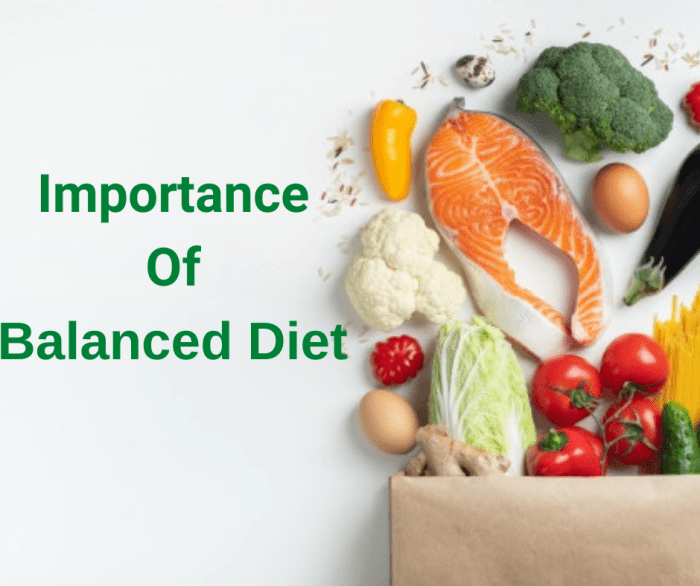
Importance of balanced nutrition in clean eating takes center stage in promoting a healthy lifestyle. With a focus on the right food choices, portion control, and nutrient-rich options, this topic explores the critical role of a balanced diet in achieving overall well-being.
From mental wellness to preventive care, every aspect of clean eating is essential for a vibrant and energetic life. Dive into the world of nutritious foods and sustainable habits as we unravel the significance of balanced nutrition in clean eating.
Balanced Diet
Eating a balanced diet is essential for clean eating as it ensures that your body gets all the necessary nutrients to function optimally. A balanced diet consists of a variety of foods that provide a mix of carbohydrates, proteins, fats, vitamins, and minerals in the right proportions.
Components of a Balanced Diet
A balanced diet typically includes:
- Whole grains: such as brown rice, quinoa, and whole wheat bread, which provide fiber and essential nutrients.
- Lean proteins: like chicken, fish, tofu, and legumes, which are important for muscle growth and repair.
- Fruits and vegetables: rich in vitamins, minerals, and antioxidants that support overall health.
- Healthy fats: from sources like avocados, nuts, and olive oil, which are crucial for brain function and hormone production.
- Dairy or dairy alternatives: for calcium and vitamin D to support bone health.
Nutrient-Rich Foods
- Spinach: packed with iron, vitamins A and K.
- Salmon: a great source of omega-3 fatty acids and protein.
- Greek yogurt: high in protein and probiotics for gut health.
- Almonds: rich in healthy fats, vitamin E, and magnesium.
- Sweet potatoes: provide fiber, vitamins A and C.
Importance of Portion Control
Maintaining portion control is crucial in a balanced diet to prevent overeating and ensure you are consuming the right amount of nutrients. It helps in weight management and allows you to enjoy a variety of foods without going overboard on calories.
Using smaller plates, measuring portions, and being mindful of serving sizes can help you stay on track with your clean eating goals.
Mental Wellness
Eating a balanced diet not only impacts our physical health but also plays a crucial role in our mental wellness. The food we consume provides the nutrients needed for optimal brain function, influencing our mood, cognition, and overall mental well-being.
Connection between Diet and Emotional Balance
A balanced nutrition plan rich in essential vitamins, minerals, and antioxidants can help regulate neurotransmitters in the brain, such as serotonin and dopamine, which are responsible for mood regulation. Consuming omega-3 fatty acids found in fish, nuts, and seeds has been linked to lower rates of depression and anxiety.
On the other hand, diets high in processed foods, sugar, and unhealthy fats may contribute to mood swings, irritability, and increased risk of mental health disorders.
Role of Balanced Diet in Promoting a Positive Mindset, Importance of balanced nutrition in clean eating
Maintaining a balanced diet can support a positive mindset by providing the brain with the necessary nutrients to function optimally. Foods rich in antioxidants, such as fruits and vegetables, can help reduce inflammation in the brain and protect against oxidative stress, which is linked to cognitive decline and mood disorders.
Additionally, staying hydrated and consuming whole grains, lean proteins, and healthy fats can help stabilize blood sugar levels and energy throughout the day, leading to improved focus, concentration, and overall mental clarity.
Physical Fitness
Eating a balanced diet plays a crucial role in supporting physical fitness goals. The right combination of nutrients provides the energy and nutrients needed for optimal performance during exercise.
Enhancing Physical Performance with Food
Consuming the following foods can help enhance physical performance:
- Lean proteins such as chicken, fish, and tofu provide essential amino acids for muscle repair and growth.
- Complex carbohydrates like whole grains, fruits, and vegetables offer sustained energy for endurance activities.
- Healthy fats from sources like nuts, seeds, and avocados support overall health and help with nutrient absorption.
- Hydration is key, so be sure to drink plenty of water to maintain optimal performance.
Importance of Fueling the Body with the Right Nutrients
When it comes to exercise, fueling your body with the right nutrients is essential for performance and recovery. Carbohydrates provide the primary source of energy for physical activity, while proteins aid in muscle repair and growth. Adequate hydration is also crucial for maintaining proper bodily functions during exercise.
By consuming a balanced diet rich in nutrients, you can optimize your physical fitness and achieve your performance goals.
Adequate Hydration
Staying hydrated is a crucial aspect of clean eating as it supports various bodily functions, aids digestion, and helps maintain overall health.
Tips for Incorporating More Fluids into a Balanced Diet
- Start your day with a glass of water to kickstart hydration levels.
- Carry a reusable water bottle with you throughout the day to remind yourself to drink water regularly.
- Incorporate hydrating foods like fruits and vegetables into your meals and snacks.
- Set reminders on your phone or use apps to track your daily water intake.
- Opt for herbal teas, infused water, or coconut water as alternatives to plain water.
Benefits of Proper Hydration for Overall Health
- Improves physical performance and endurance during exercise.
- Helps regulate body temperature and prevent overheating.
- Aids in digestion and nutrient absorption.
- Supports kidney function by flushing out toxins and waste products.
- Enhances skin health and appearance by keeping it hydrated and radiant.
Regular Exercise
Regular exercise is a crucial component of a healthy lifestyle, working in tandem with balanced nutrition to promote overall well-being. The relationship between balanced nutrition and regular exercise is symbiotic, as each complements the other in supporting optimal health and fitness levels.
Impact of Nutrition on Exercise Recovery
Nutrition plays a significant role in exercise recovery, helping the body repair and rebuild muscle tissues after physical activity. Consuming a balanced diet rich in protein, carbohydrates, and healthy fats can enhance recovery time and improve overall performance. Adequate hydration is also essential to replenish lost fluids and electrolytes during exercise.
- Protein: Essential for muscle repair and growth, include lean sources such as chicken, fish, beans, and nuts in post-workout meals.
- Carbohydrates: Provide energy for workouts and replenish glycogen stores, opt for complex carbs like whole grains, fruits, and vegetables.
- Healthy Fats: Aid in nutrient absorption and hormone production, incorporate sources like avocados, olive oil, and nuts into your diet.
- Hydration: Drink plenty of water before, during, and after exercise to maintain optimal performance and aid in recovery.
Remember, the quality and timing of your nutrition intake can significantly impact your exercise recovery and overall fitness progress.
Fueling the Body Before and After Workouts
Properly fueling your body before and after workouts is essential for maximizing performance and recovery. Aim to consume a balanced meal or snack containing carbohydrates, protein, and healthy fats about 1-2 hours before exercising to provide sustained energy. Post-workout, refuel with a nutrient-dense meal or snack to replenish energy stores and support muscle repair.
- Pre-Workout: Opt for a combination of carbohydrates and protein, such as a banana with almond butter or Greek yogurt with berries.
- Post-Workout: Focus on consuming a mix of protein and carbohydrates to aid in muscle recovery, like a chicken quinoa bowl or a protein smoothie with fruit.
Healthy Lifestyle
Balanced nutrition plays a crucial role in maintaining a healthy lifestyle. By fueling our bodies with the right nutrients, we can support our overall well-being and reduce the risk of chronic diseases.
Tips for Incorporating Clean Eating into Daily Routines
- Aim to include a variety of fruits, vegetables, whole grains, lean proteins, and healthy fats in your meals.
- Avoid processed foods high in added sugars, unhealthy fats, and excess salt.
- Plan and prep your meals in advance to make healthier choices throughout the week.
- Stay hydrated by drinking plenty of water and limit sugary beverages.
- List itemStay mindful of portion sizes and listen to your body’s hunger and fullness cues.
Long-term Benefits of Maintaining a Healthy Lifestyle through Proper Nutrition
By consistently following a balanced diet and incorporating clean eating habits, individuals can experience a wide range of long-term benefits. These include:
- Improved energy levels and overall productivity.
- Reduced risk of developing chronic diseases such as heart disease, diabetes, and obesity.
- Enhanced mental clarity and focus.
- Stronger immune system and better resilience to illnesses.
- Healthy weight management and maintenance.
Preventive Care
Maintaining a balanced diet plays a crucial role in preventing diseases and health conditions. By ensuring that your body receives the necessary nutrients, you can boost your immune system and overall wellness, reducing the risk of various illnesses.
Nutrient-Rich Foods for Preventive Care
- Leafy green vegetables: Spinach, kale, and broccoli are rich in vitamins, minerals, and antioxidants that support immune function.
- Fruits high in vitamin C: Oranges, strawberries, and kiwi are excellent sources of vitamin C, known for its immune-boosting properties.
- Healthy fats: Foods like avocados, nuts, and seeds provide essential fatty acids that help reduce inflammation and support overall health.
- Probiotic-rich foods: Yogurt, kefir, and sauerkraut contain beneficial bacteria that promote gut health and strengthen the immune system.
- Whole grains: Brown rice, quinoa, and oats are packed with fiber, vitamins, and minerals that contribute to overall wellness and disease prevention.
Quality Sleep
Quality sleep is essential for overall well-being, and it is closely linked to balanced nutrition. The food we consume plays a significant role in regulating our sleep patterns and ensuring restful sleep. Poor dietary choices can disrupt our sleep cycles, leading to insomnia, restless nights, and overall fatigue.
Connection between Balanced Nutrition and Quality Sleep
Nutrients such as magnesium, calcium, vitamin D, and tryptophan are known to promote relaxation and improve sleep quality. A balanced diet rich in these nutrients can help regulate neurotransmitters responsible for sleep, such as serotonin and melatonin. Additionally, avoiding heavy meals, caffeine, and sugary foods close to bedtime can prevent disturbances in sleep patterns.
Tips to Improve Sleep Quality through Diet
- Incorporate foods high in tryptophan, such as turkey, nuts, seeds, and dairy products, into your evening meals to promote relaxation.
- Include sources of magnesium, like leafy greens, nuts, seeds, and whole grains, to help calm the nervous system and improve sleep quality.
- Consume foods rich in calcium, such as dairy products, tofu, and leafy greens, to support the production of melatonin, the sleep hormone.
- Avoid heavy, spicy, or acidic foods close to bedtime, as they can cause indigestion and disrupt sleep.
- Stay hydrated throughout the day, but limit fluids before bed to prevent frequent trips to the bathroom during the night.
Impact of Nutrition on Sleep Patterns and Overall Well-being
Proper nutrition not only influences our sleep quality but also affects our overall well-being. By maintaining a balanced diet, we can regulate our circadian rhythm, reduce inflammation in the body, and support brain function. Consistent, high-quality sleep is crucial for cognitive function, mood regulation, and immune health, highlighting the importance of nutrition in promoting a good night’s rest.
Cardio Health
Clean eating plays a crucial role in promoting cardiovascular health by providing the necessary nutrients to support heart function and overall well-being. A balanced diet rich in whole foods, fruits, vegetables, lean proteins, and healthy fats can help reduce the risk of heart disease and improve heart health over time.
Role of Balanced Diet in Reducing Heart Disease Risk
A balanced diet that includes a variety of nutrient-dense foods can help lower cholesterol levels, reduce inflammation, regulate blood pressure, and maintain a healthy weightall of which are key factors in preventing heart disease. By incorporating heart-healthy foods into your meals, you can support your cardiovascular system and reduce the risk of developing heart-related issues.
- Leafy green vegetables: Rich in antioxidants, vitamins, and minerals that support heart health.
- Fatty fish (such as salmon, mackerel, and sardines): Excellent sources of omega-3 fatty acids, which can help reduce inflammation and improve heart function.
- Whole grains (like oats, quinoa, and brown rice): High in fiber and nutrients that can lower cholesterol levels and promote heart health.
- Berries (such as blueberries, strawberries, and raspberries): Packed with antioxidants that protect the heart from damage and reduce the risk of heart disease.
- Nuts and seeds: Good sources of healthy fats, fiber, and antioxidants that can improve heart health and reduce inflammation.
By incorporating these heart-healthy foods into your diet, you can nourish your body and support your cardiovascular health in the long run.
Immune Boost
Proper nutrition plays a crucial role in boosting the immune system and enhancing disease resistance. A balanced diet rich in essential nutrients can help support overall immune health.
Impact of Diet on Immune Function
A diet high in fruits, vegetables, whole grains, lean proteins, and healthy fats provides the necessary vitamins, minerals, and antioxidants that support immune function. These nutrients help regulate immune responses and protect the body against infections and diseases.
- Include foods rich in Vitamin C, such as citrus fruits, strawberries, and bell peppers, which can help strengthen the immune system.
- Omega-3 fatty acids found in fatty fish like salmon and mackerel can reduce inflammation and support immune function.
- Probiotics from fermented foods like yogurt and kimchi promote a healthy gut microbiome, which is essential for proper immune response.
Stress Management
Nutrition plays a crucial role in stress management, as the food we eat can directly impact our mood and stress levels. A balanced diet rich in essential nutrients can help promote overall well-being and increase our resilience to stress.
Using Diet to Reduce Stress Levels
- Include foods rich in antioxidants, such as fruits and vegetables, to combat oxidative stress in the body.
- Consume complex carbohydrates like whole grains, which can help regulate serotonin levels and improve mood.
- Ensure an adequate intake of omega-3 fatty acids found in fatty fish, flaxseeds, and walnuts, as they have been linked to reducing anxiety and stress.
- Avoid excessive caffeine and sugar intake, as they can exacerbate stress and lead to energy crashes.
Role of a Balanced Diet in Promoting Stress Resilience
- A balanced diet provides the necessary nutrients to support the body’s stress response system, including the production of stress hormones like cortisol.
- Proper nutrition can help regulate blood sugar levels, preventing mood swings and irritability often associated with stress.
- Consuming a variety of nutrient-dense foods ensures that the body is equipped to cope with the physical and emotional demands of stress.
Clean Eating
Clean eating is a dietary approach that focuses on consuming whole, unprocessed foods in their natural state. This means avoiding processed and refined foods, as well as artificial additives and preservatives. Clean eating is essential for maintaining overall health and well-being by providing the body with essential nutrients and minimizing the intake of harmful substances.
Guidelines for Incorporating Clean Eating
- Choose whole, unprocessed foods such as fruits, vegetables, whole grains, and lean proteins.
- Avoid processed foods high in added sugars, unhealthy fats, and artificial ingredients.
- Read food labels carefully to identify hidden additives and preservatives.
- Opt for cooking at home using fresh ingredients to have better control over what goes into your meals.
- Stay hydrated by drinking plenty of water throughout the day.
Benefits of Choosing Whole, Unprocessed Foods
- Provide essential nutrients like vitamins, minerals, and antioxidants that support overall health.
- Help maintain a healthy weight and reduce the risk of chronic diseases such as heart disease, diabetes, and obesity.
- Support digestive health by providing fiber that aids in digestion and promotes gut health.
- Boost energy levels and improve overall well-being by fueling the body with natural, nutritious foods.
Daily Activity
Regular physical activity is essential for overall health and well-being. Balanced nutrition plays a crucial role in supporting daily physical activity by providing the necessary nutrients for energy and muscle function. When you nourish your body with a well-rounded diet, you are better equipped to engage in daily movement and maintain optimal energy levels.
Importance of Nourishing the Body for Daily Movement
Proper nutrition fuels your body for daily activities, such as walking, climbing stairs, or even exercising. A balanced diet ensures that you have the energy to perform these tasks efficiently and effectively. Without adequate nutrition, you may experience fatigue, weakness, and reduced stamina, hindering your ability to stay active throughout the day.
Role of Diet in Sustaining an Active Lifestyle
Your diet directly impacts your ability to maintain an active lifestyle. Consuming nutrient-dense foods provides your body with the essential vitamins, minerals, and macronutrients needed for muscle repair, recovery, and endurance. By incorporating a variety of fruits, vegetables, whole grains, lean proteins, and healthy fats into your meals, you can enhance your physical performance and overall fitness levels.
Holistic Health
When it comes to holistic health, it encompasses the overall well-being of an individual, including physical, mental, emotional, and spiritual aspects. It emphasizes the importance of treating the body as a whole system rather than focusing on individual parts or symptoms.
Balanced Diet and Overall Well-Being
A balanced diet plays a crucial role in promoting holistic health by providing the necessary nutrients for the body to function optimally. It supports various bodily functions, improves immune system function, and helps maintain a healthy weight, which is essential for overall well-being.
- Ensuring a diet rich in fruits, vegetables, whole grains, lean proteins, and healthy fats can contribute to better physical health and mental clarity.
- Hydrating adequately and avoiding processed foods high in sugar, salt, and unhealthy fats can further enhance holistic health.
Holistic Practices Combining Nutrition, Fitness, and Mental Wellness
There are several holistic practices that integrate nutrition, fitness, and mental wellness to promote overall well-being:
- Mindful Eating:Practicing mindful eating involves paying attention to the food you eat, savoring each bite, and listening to your body’s hunger and fullness cues. This can help improve digestion, reduce overeating, and enhance the overall enjoyment of meals.
- Yoga:Yoga combines physical postures, breathing exercises, and meditation to promote physical strength, flexibility, and mental relaxation. It is a holistic practice that benefits both the body and mind.
- Meditation:Meditation helps reduce stress, improve focus, and promote emotional well-being. When combined with a balanced diet and regular exercise, meditation can contribute to a holistic approach to health.
Mindful Living
Mindful living plays a crucial role in clean eating, especially when it comes to practicing mindful eating. Being present and conscious while consuming food can have a significant impact on your overall health and well-being.
Importance of Mindful Eating
- Enhances digestion: By paying attention to your food and chewing slowly, you can improve digestion and nutrient absorption.
- Promotes healthy weight management: Mindful eating helps you recognize when you are full, preventing overeating and supporting weight control.
- Boosts satisfaction: Being mindful while eating allows you to fully appreciate the flavors and textures of your food, leading to greater satisfaction.
Tips for Practicing Mindful Living through Nutrition Choices
- Avoid distractions: Turn off electronic devices and focus solely on your meal to fully engage in the eating experience.
- Savor each bite: Take the time to chew your food thoroughly and appreciate the taste, texture, and aroma of each bite.
- Listen to your body: Pay attention to hunger and fullness cues to guide your eating habits and avoid mindless snacking.
Benefits of Being Present and Conscious While Consuming Food
- Improved digestion and nutrient absorption
- Enhanced appreciation for food and eating experience
- Reduced risk of overeating and weight gain
Emotional Balance
Balanced nutrition plays a crucial role in influencing emotional balance. The food we consume can have a direct impact on our mood and emotional well-being. It is important to understand the connection between our diet and our emotions in order to maintain a healthy balance in our mental health.
Positive Impact of Foods on Emotions and Mental Health
- Eating foods rich in omega-3 fatty acids, such as salmon and walnuts, can help reduce symptoms of depression and anxiety.
- Consuming complex carbohydrates like whole grains and legumes can increase serotonin levels in the brain, promoting feelings of happiness and well-being.
- Including foods high in antioxidants, such as berries and dark leafy greens, can help protect the brain from oxidative stress and improve cognitive function.
- Drinking green tea, which contains L-theanine, can have a calming effect on the mind and reduce stress and anxiety levels.
Health Education
Health education plays a crucial role in promoting balanced nutrition by providing individuals with the knowledge and skills necessary to make informed decisions about their diet and overall wellness.
By educating people on the benefits of clean eating, health education empowers individuals to understand how their food choices impact their health. Clean eating involves consuming whole, minimally processed foods that are rich in nutrients and free of artificial additives.
It emphasizes the importance of fueling the body with nourishing foods that support overall well-being.
Empowering Healthy Choices
- Health education equips individuals with the knowledge to make healthier food choices, leading to improved energy levels, better digestion, and overall well-being.
- Understanding the benefits of clean eating encourages people to prioritize nutrient-dense foods and limit the consumption of processed and unhealthy options.
- By educating individuals on nutrition, health education helps prevent chronic diseases and promotes longevity by fostering good eating habits.
Self-Care
Eating a balanced diet is not just about fueling your body, it is also a form of self-care. When you prioritize nutrition in your meals, you are showing yourself love and respect by nourishing your body with the essential nutrients it needs to function at its best.
The Impact of Prioritizing Nutrition
By making clean eating a priority in your life, you are taking a proactive approach to caring for your overall well-being. When you fuel your body with healthy, nutritious foods, you are boosting your immune system, improving your energy levels, and supporting your mental clarity.
Chronic Disease
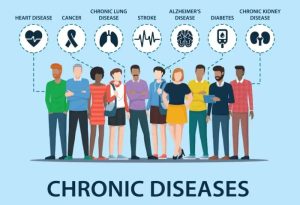
Balanced nutrition plays a crucial role in preventing chronic diseases. By maintaining a healthy and balanced diet, individuals can significantly reduce the risk of developing various long-term health conditions.
Examples of Diseases Influenced by Diet Choices
- Heart Disease: Consuming a diet high in saturated fats, cholesterol, and sodium can increase the risk of heart disease.
- Diabetes: Poor dietary choices, such as excessive sugar intake and lack of fiber, can contribute to the development of type 2 diabetes.
- Obesity: Overconsumption of calorie-dense foods and sugary beverages can lead to obesity, which is linked to various chronic diseases.
Importance of Balanced Diet in Managing Chronic Illnesses
A balanced diet rich in nutrients such as vitamins, minerals, antioxidants, and fiber can help manage chronic illnesses by supporting overall health and immune function. It can also aid in controlling blood sugar levels, reducing inflammation, and maintaining a healthy weight, all of which are crucial in managing chronic conditions.
Final Conclusion
In conclusion, the importance of balanced nutrition in clean eating cannot be overstated. By prioritizing a well-rounded diet, individuals can enhance their physical, mental, and emotional health. From preventing diseases to improving sleep quality, the impact of clean eating resonates across all aspects of well-being.
Embrace the power of balanced nutrition and witness a transformative journey towards a healthier and happier life.
Frequently Asked Questions: Importance Of Balanced Nutrition In Clean Eating
How does balanced nutrition affect mental wellness?
Balanced nutrition plays a crucial role in maintaining mental wellness by providing essential nutrients that support brain function and emotional balance.
What are some examples of nutrient-rich foods for a balanced diet?
Examples include leafy greens, lean proteins, whole grains, and fruits that are packed with vitamins, minerals, and antioxidants.
Why is hydration important in clean eating?
Staying hydrated is vital for optimal bodily functions, digestion, and overall health, making it a key component of clean eating.