
Kicking off with How to practice mindful communication in relationships, this opening paragraph is designed to captivate and engage the readers, setting the tone casual formal language style that unfolds with each word.
Mindful communication is a crucial aspect of maintaining healthy and fulfilling relationships. By being present, empathetic, and aware, individuals can strengthen their connections and foster understanding with their partners. This guide will delve into the components, strategies, benefits, and practical implementation of mindful communication in relationships, offering valuable insights for enhancing communication dynamics.
Introduction to Mindful Communication in Relationships
Mindful communication involves being present and fully engaged in conversations with your partner, focusing on active listening and understanding their perspective.
Practicing mindful communication in relationships is crucial for building trust, fostering emotional intimacy, and resolving conflicts effectively.
Importance of Mindful Communication
- Enhances emotional connection: By being present and attentive, you show your partner that their thoughts and feelings matter to you.
- Improves conflict resolution: Mindful communication helps you avoid misunderstandings and promotes open, honest dialogue to resolve issues peacefully.
- Promotes empathy and understanding: By actively listening and considering your partner’s point of view, you demonstrate empathy and strengthen your bond.
Examples of Mindful Communication
- Reflective listening: Repeat what your partner says to ensure you understand their message correctly.
- Expressing emotions constructively: Share your feelings openly and honestly, using “I” statements to avoid blame.
- Taking pauses: Allow space for reflection during conversations to prevent impulsive reactions and promote thoughtful responses.
Components of Mindful Communication
Effective communication in relationships involves various components that contribute to a deeper connection and understanding between individuals. Three key components of mindful communication include active listening, empathy, and non-verbal cues.
Active Listening as a Key Component
Active listening is a fundamental aspect of mindful communication that involves fully concentrating, understanding, responding, and remembering what is being said. It requires being present in the moment and giving your undivided attention to the speaker without interrupting or formulating a response before they have finished speaking.
Role of Empathy in Mindful Communication
Empathy plays a crucial role in mindful communication as it involves understanding and sharing the feelings of another person. By empathizing with your partner, you can validate their emotions, show compassion, and foster a deeper connection based on mutual understanding and support.
Significance of Non-Verbal Cues in Effective Communication
Non-verbal cues, such as facial expressions, body language, tone of voice, and gestures, play a significant role in effective communication. These cues can convey emotions, intentions, and attitudes that may not be expressed verbally, providing valuable insights into the underlying feelings and thoughts of the speaker.
Strategies for Practicing Mindful Communication
When it comes to mindful communication in relationships, employing specific strategies can make a significant difference in how effectively you connect with others.
Tips on Staying Present During Conversations
Being present during conversations is key to mindful communication. Here are some tips to help you stay focused:
- Avoid multitasking and give the speaker your full attention.
- Practice active listening by summarizing what the other person has said before responding.
- Take deep breaths to ground yourself and stay in the moment.
Ways to Cultivate Self-Awareness in Communication
Cultivating self-awareness can enhance your ability to communicate mindfully. Try these techniques to increase self-awareness:
- Reflect on your thoughts and emotions before expressing them verbally.
- Pay attention to your body language and tone of voice to ensure they align with your intended message.
- Practice mindfulness meditation to develop a deeper understanding of your inner experiences.
Techniques for Managing Emotions During Discussions
Emotions can often run high during discussions, making it challenging to communicate effectively. Here are some techniques to help you manage your emotions:
- Take a pause when you feel overwhelmed and allow yourself to calm down before continuing the conversation.
- Use “I” statements to express your feelings without blaming the other person.
- Practice empathy by trying to see the situation from the other person’s perspective.
Benefits of Mindful Communication in Relationships
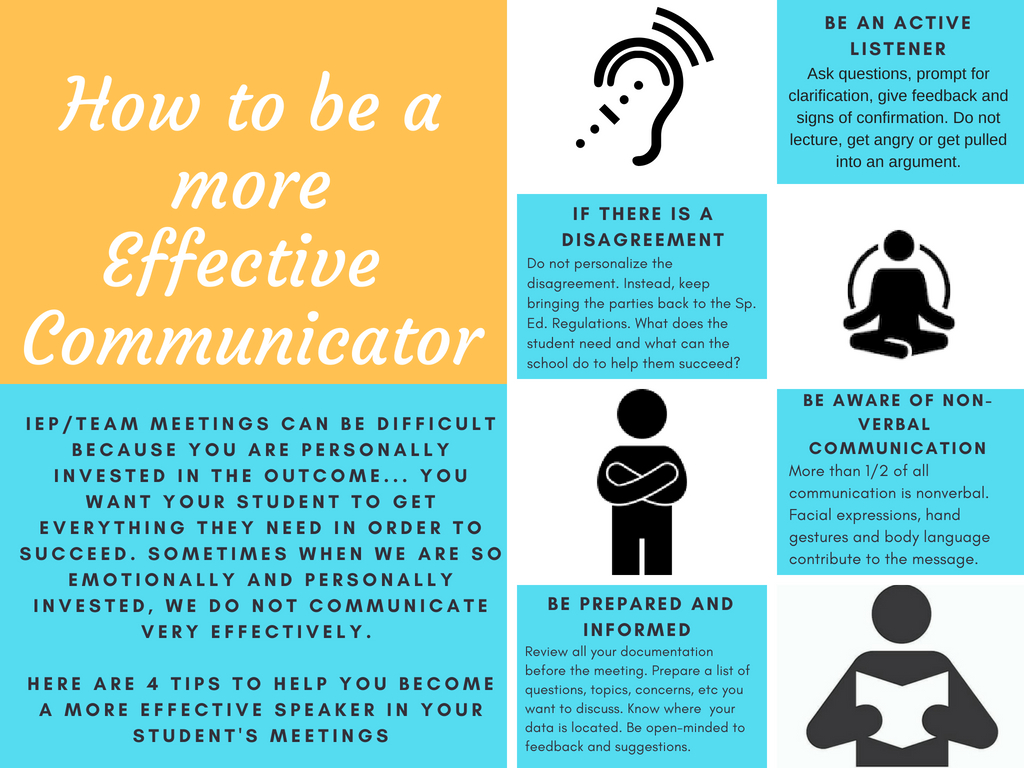
Mindful communication in relationships can have numerous benefits that contribute to a healthy and strong connection between partners. By practicing mindful communication, individuals can foster trust and intimacy, resolve conflicts constructively, and enhance overall relationship satisfaction.
Fostering Trust and Intimacy
- Mindful communication involves active listening, empathy, and openness, which can create a safe and supportive environment for partners to express themselves.
- By being fully present and attentive during conversations, individuals can deepen their understanding of each other’s thoughts, feelings, and needs, strengthening the bond of trust.
- Through mindful communication, partners can cultivate a sense of intimacy by sharing their vulnerabilities, fears, and desires in a non-judgmental and compassionate manner.
Resolving Conflicts Constructively, How to practice mindful communication in relationships
- When conflicts arise, practicing mindful communication allows individuals to approach disagreements with a calm and rational mindset, rather than reacting impulsively.
- By actively listening to each other’s perspectives and validating emotions, partners can find common ground and work together to find mutually beneficial solutions.
- Mindful communication encourages effective communication skills such as assertiveness, problem-solving, and compromise, which are essential for resolving conflicts in a respectful and constructive manner.
Impact on Overall Relationship Satisfaction
- Engaging in mindful communication fosters a sense of emotional connection and understanding between partners, leading to increased feelings of satisfaction and fulfillment in the relationship.
- By practicing mindfulness in communication, individuals can reduce misunderstandings, miscommunications, and unnecessary conflicts, creating a more harmonious and joyous partnership.
- Overall, the practice of mindful communication can strengthen the foundation of a relationship, promote mutual respect, and enhance the quality of interactions between partners, ultimately contributing to long-lasting happiness and fulfillment.
Relationship between Mindful Communication and Emotional Balance
Practicing mindful communication is closely linked to emotional well-being as it involves being present, attentive, and empathetic in our interactions with others. By cultivating awareness and intention in our communication, we can better manage our emotions and respond with greater clarity and compassion.
Connection between Effective Communication and Emotional Intelligence
Effective communication is essential for building emotional intelligence, which encompasses the ability to recognize, understand, and manage our own emotions as well as those of others. Mindful communication helps us develop these skills by promoting active listening, non-judgmental awareness, and emotional regulation.
For example, by staying present and focused during a difficult conversation, we can respond thoughtfully instead of reacting impulsively based on our emotions.
Examples of How Mindful Communication Enhances Emotional Balance in Relationships
- Active Listening: Mindful communication involves truly listening to the other person without interrupting or formulating responses in our mind. This practice can help validate the other person’s emotions and reduce misunderstandings that can lead to emotional distress.
- Empathy and Compassion: By approaching conversations with empathy and compassion, we can create a supportive and understanding environment that fosters emotional connection and mutual respect. Acknowledging the feelings of others and responding with kindness can promote emotional balance in relationships.
- Conflict Resolution: Mindful communication techniques such as “I” statements, reflective listening, and taking pauses to regulate emotions can facilitate constructive conflict resolution. By approaching conflicts with a calm and open mindset, we can address underlying issues without escalating emotional tension.
Implementing Mindful Communication Practices Daily
Consistency is key when it comes to practicing mindful communication in relationships. Establishing a simple daily routine for incorporating mindful communication exercises can help ensure that these practices become a natural part of your interactions with others.
Creating a Daily Routine for Mindful Communication
- Start your day with a few minutes of mindfulness meditation to cultivate awareness and presence.
- Set an intention to communicate mindfully throughout the day, focusing on active listening and empathy.
- Practice deep breathing or grounding exercises during moments of stress or conflict to stay centered.
- Reflect on your communication interactions at the end of the day, noting areas for improvement and growth.
The Importance of Consistency in Mindful Communication
Consistency is crucial in developing any new skill, including mindful communication. By practicing these exercises daily, you can rewire your brain to default to more mindful responses in challenging situations. Over time, this can lead to healthier and more fulfilling relationships.
Real-Life Scenarios for Mindful Communication
- During a disagreement with your partner, practice active listening to truly understand their perspective before expressing your own.
- When feeling overwhelmed at work, take a moment to pause, breathe, and respond mindfully to colleagues or clients.
- In a family gathering, practice empathy and compassion in your interactions, fostering deeper connections with loved ones.
Comparison between Mindful Communication and Traditional Communication
When comparing mindful communication with traditional communication, it’s important to understand the distinct characteristics that set them apart and the potential impact of adopting mindful communication in relationships.
Differentiation of Characteristics
- Mindful Communication: Focuses on active listening, empathy, and non-judgmental responses. Involves being fully present and aware of thoughts and feelings without reacting impulsively.
- Traditional Communication: Often involves reactive responses, interruptions, and a focus on getting one’s point across rather than truly understanding the other person.
Potential Impact of Mindful Communication
- Improved Understanding: Mindful communication can lead to deeper connections, increased trust, and better conflict resolution in relationships.
- Emotional Regulation: By practicing mindfulness in communication, individuals can better manage their emotions and respond thoughtfully rather than reactively.
Examples of Hindrances in Traditional Communication
- Interrupting: Constantly interrupting the other person can hinder effective dialogue and make them feel unheard or unimportant.
- Assuming Intentions: Jumping to conclusions or assuming the intentions of the other person without clarifying can lead to misunderstandings and conflicts.
Final Conclusion
In conclusion, practicing mindful communication in relationships can lead to deeper emotional connections, improved conflict resolution, and overall relationship satisfaction. By incorporating mindful communication techniques into daily interactions, individuals can cultivate more meaningful and harmonious connections with their partners.
FAQs: How To Practice Mindful Communication In Relationships
How can I improve my active listening skills?
To enhance active listening, focus on giving your full attention to the speaker, maintaining eye contact, and paraphrasing what you’ve heard to ensure understanding.
Why is self-awareness important in communication?
Self-awareness allows individuals to recognize their own emotions, thoughts, and values, leading to more authentic and effective communication in relationships.
Can mindful communication help in resolving conflicts?
Yes, mindful communication promotes understanding and empathy, which are crucial in resolving conflicts constructively and finding mutually beneficial solutions.