How to maintain a balanced diet while traveling opens the door to a world of nutritious possibilities, ensuring your journey is not just exciting but also health-conscious.
This guide will equip you with practical tips to keep your diet in check, even when on the move.
Balanced Diet

Maintaining a balanced diet while traveling is crucial for sustaining energy levels, supporting overall health, and preventing fatigue. It can be challenging to make healthy food choices on the go, but with proper planning and strategies, it is possible to ensure a nutrient-rich diet even when faced with limited options during travel.
Planning Meals
When traveling, it’s essential to plan ahead and pack nutritious snacks such as fruits, nuts, granola bars, or cut-up vegetables. This can help you avoid relying on unhealthy airport or roadside options. Additionally, researching restaurants or grocery stores at your destination can help you find healthier meal choices.
Making Healthy Choices
When dining out, opt for grilled or roasted dishes instead of fried items. Choose lean proteins like chicken or fish, and include plenty of vegetables in your meals. Avoid sugary drinks and opt for water, herbal tea, or fresh fruit juices instead.
Remember to listen to your body’s hunger and fullness cues to prevent overeating.
Snacking Smart
Snacking can be a pitfall while traveling, but it’s important to choose nutrient-dense options. Pack portable snacks like trail mix, yogurt cups, or whole grain crackers to keep you satisfied between meals. Avoid sugary and salty snacks, which can lead to energy crashes and cravings.
Staying Hydrated
Proper hydration is key to maintaining a balanced diet while traveling. Carry a reusable water bottle and fill it up regularly to stay hydrated throughout your journey. Limit consumption of sugary drinks and alcohol, which can dehydrate the body and lead to fatigue.
Mental Wellness
Maintaining a balanced diet while traveling not only impacts physical health but also plays a crucial role in mental wellness. The food we consume can directly affect our mood, energy levels, and overall mental state.
Mood-Boosting Foods
Including certain foods in a travel-friendly diet can help boost mood and promote mental well-being. Some examples of mood-boosting foods to consider are:
- Fatty fish like salmon, rich in omega-3 fatty acids which are linked to improved mood
- Dark chocolate, known to reduce stress hormones and improve mood
- Berries, high in antioxidants that can help reduce inflammation and improve brain function
- Leafy greens like spinach, a good source of magnesium which can help regulate mood
Impact of Stress and Ways to Manage It
Stress can have a significant impact on mental health, especially when traveling. It can lead to feelings of anxiety, irritability, and overall negative mood. To manage stress while on the go, consider the following strategies:
- Practice mindfulness and deep breathing exercises to help calm the mind
- Engage in physical activity like walking or yoga to reduce stress and boost mood
- Ensure you are getting enough sleep and rest to support mental well-being
- Stay hydrated and limit caffeine and alcohol intake, as they can worsen stress and anxiety
Physical Fitness
Maintaining physical fitness is crucial for overall health, especially while traveling. It helps in keeping energy levels up, managing stress, and promoting better sleep quality.
Simple Exercises on the Go
- Take a brisk walk: Explore your surroundings by walking instead of using transportation.
- Bodyweight exercises: Perform squats, lunges, push-ups, and planks in your hotel room or a nearby park.
- Stretching: Spend a few minutes stretching your body to improve flexibility and prevent stiffness.
- Stair climbing: Opt for stairs instead of elevators whenever possible to get your heart rate up.
Benefits of Movement in Daily Travel Routines
- Boosts mood and energy levels
- Improves cardiovascular health and circulation
- Helps in weight management and metabolism
- Reduces the risk of chronic diseases
Adequate Hydration
Staying hydrated is crucial, especially while traveling, as it helps maintain overall health and well-being.
Importance of Hydration
Ensuring adequate water intake during travel is essential to prevent dehydration, which can lead to various health issues such as fatigue, headaches, and dizziness. Dehydration can also negatively impact cognitive function and physical performance.
Tips for Staying Hydrated While Traveling
- Carry a reusable water bottle and refill it regularly.
- Drink water before you feel thirsty to stay ahead of dehydration.
- Avoid excessive consumption of caffeinated or alcoholic beverages, as they can contribute to dehydration.
- Include hydrating foods in your diet, such as fruits and vegetables with high water content.
- Set reminders on your phone or watch to drink water at regular intervals.
Effects of Dehydration and Prevention
Dehydration can lead to symptoms like dry mouth, dark urine, and lightheadedness. To prevent dehydration, prioritize drinking water throughout the day and listen to your body’s signals for thirst. If you’re traveling to a hot climate or engaging in physical activity, increase your water intake accordingly to compensate for fluid loss through sweat.
Regular Exercise: How To Maintain A Balanced Diet While Traveling
Regular exercise plays a crucial role in maintaining overall health and well-being. It helps improve cardiovascular health, boost metabolism, strengthen muscles and bones, enhance mental clarity, and reduce the risk of chronic diseases.
Benefits of Regular Exercise
- Improves cardiovascular health and reduces the risk of heart disease.
- Boosts metabolism and aids in weight management.
- Strengthens muscles and bones, promoting better posture and overall physical strength.
- Enhances mental clarity, mood, and cognitive function.
- Reduces the risk of chronic diseases such as diabetes, hypertension, and certain types of cancer.
Convenient Exercises While Traveling
- Bodyweight exercises like squats, lunges, push-ups, and planks can be done in a small space without equipment.
- Brisk walking or jogging in a nearby park or around the hotel area can help maintain cardiovascular fitness.
- Yoga or stretching exercises can improve flexibility and reduce muscle stiffness from long travels.
- Using resistance bands for strength training exercises is portable and easy to pack in your luggage.
Incorporating Movement Into Travel Schedules
- Opt for active sightseeing activities like hiking, cycling, or swimming instead of taking tours by bus or car.
- Take the stairs instead of the elevator whenever possible to add extra steps to your day.
- Schedule short workout sessions in the morning or evening to kickstart your day or unwind after a long day of traveling.
- Utilize hotel gyms or outdoor fitness areas to continue your regular exercise routine while on the go.
Healthy Lifestyle
Maintaining a healthy lifestyle while traveling is essential for overall well-being. It involves making conscious choices to prioritize health and wellness even when on the go.
Components of a Healthy Lifestyle
- Proper Nutrition: Ensure you have access to nutritious food options and try to make healthy choices when eating out.
- Regular Exercise: Incorporate physical activity into your travel routine, whether it’s going for a walk, hiking, or finding a local gym.
- Adequate Rest: Make sure to get enough sleep to support your body’s recovery and overall health.
- Stress Management: Find ways to relax and unwind, such as meditation, deep breathing exercises, or engaging in activities you enjoy.
Strategies for Prioritizing Health and Wellness
- Plan Ahead: Research healthy dining options and fitness facilities in advance to ensure you have access to what you need.
- Stay Hydrated: Carry a reusable water bottle and drink plenty of water throughout the day to stay hydrated.
- Pack Snacks: Bring along nutritious snacks like fruits, nuts, and granola bars to avoid unhealthy food choices while traveling.
- Stay Active: Look for opportunities to move your body, such as taking the stairs instead of the elevator or going for a morning jog.
Examples of Healthy Habits
- Start your day with a healthy breakfast to fuel your body for the day ahead.
- Choose grilled or steamed options when dining out to reduce the intake of unhealthy fats.
- Take breaks during long journeys to stretch and move around to prevent stiffness and improve circulation.
- Practice mindfulness and gratitude to promote mental well-being and reduce stress while traveling.
Nutrient-Rich
Consuming nutrient-rich foods is crucial for maintaining optimal health as they provide essential vitamins, minerals, and antioxidants that support various bodily functions and promote overall well-being.
Examples of Nutrient-Dense Foods for Travel
When traveling, it’s important to choose nutrient-dense foods that are convenient to pack and carry. Some examples include:
- Fruits like apples, bananas, and berries which are rich in vitamins and fiber.
- Nuts and seeds such as almonds, walnuts, and chia seeds that provide healthy fats and protein.
- Vegetables like baby carrots, cherry tomatoes, and snap peas for a dose of antioxidants and fiber.
- Greek yogurt or low-fat cheese for calcium and protein on-the-go.
Benefits of a Diet Rich in Vitamins, Minerals, and Antioxidants
A diet rich in vitamins, minerals, and antioxidants offers numerous benefits, including:
- Supporting immune function and reducing the risk of chronic diseases.
- Promoting healthy skin, hair, and nails due to the presence of essential nutrients.
- Enhancing energy levels and improving overall cognitive function.
- Aiding in weight management by providing essential nutrients without excess calories.
Stress Management
Stress can have a significant impact on our overall well-being, especially when we are traveling. The combination of unfamiliar surroundings, time constraints, and unexpected events can easily lead to heightened stress levels. It is essential to find ways to manage stress effectively to ensure a smooth and enjoyable travel experience.
Tips for Reducing Stress Levels
- Plan Ahead: Make a detailed itinerary, including transportation, accommodation, and activities, to minimize last-minute stress.
- Practice Deep Breathing: Take deep breaths to calm your mind and body whenever you feel overwhelmed or anxious.
- Stay Organized: Keep your belongings and documents in order to avoid unnecessary stress from misplaced items.
- Engage in Physical Activity: Exercise can help reduce stress levels, so try to incorporate some physical activity into your travel routine.
- Limit Caffeine and Alcohol: Consuming excessive caffeine or alcohol can exacerbate stress, so moderate your intake while traveling.
Relaxation Techniques for Calm Mindset
- Meditation: Take a few minutes each day to meditate and clear your mind of any negative thoughts or worries.
- Progressive Muscle Relaxation: Practice tensing and then relaxing each muscle group in your body to release physical tension.
- Listen to Music: Create a calming playlist to listen to during travel, helping to soothe your mind and reduce stress.
- Visualize Positive Outcomes: Imagine successful and enjoyable experiences during your trip to promote a positive mindset.
Preventive Care
Maintaining good health during travel is crucial, and preventive care plays a significant role in achieving this goal. By taking proactive measures to prevent illness and injuries, travelers can ensure a smooth and enjoyable trip while prioritizing their well-being.
Importance of Preventive Care
- Stay up to date on vaccinations: Before embarking on your journey, make sure you are vaccinated against any diseases prevalent in your destination.
- Practice good hygiene: Wash your hands frequently, especially before eating, to prevent the spread of germs.
- Protect yourself from the sun: Use sunscreen, wear protective clothing, and stay hydrated to avoid sunburn and dehydration.
- Stay active: Engage in regular physical activity to boost your immune system and maintain overall health.
Tips for Preventing Illness and Injuries
“An ounce of prevention is worth a pound of cure.”
- Pack a travel health kit: Include essential items like medications, first aid supplies, and insect repellent to address minor health issues on the go.
- Stay hydrated: Drink plenty of water and avoid consuming contaminated food or beverages to prevent gastrointestinal issues.
- Practice safe food handling: Be cautious of what you eat, opting for freshly prepared meals and avoiding street food in questionable hygiene conditions.
- Get enough rest: Prioritize sleep to allow your body to recharge and stay resilient against potential health risks.
Staying Proactive About Health and Well-being
- Listen to your body: Pay attention to any signs of discomfort or illness and seek medical attention if needed.
- Stay informed: Research health advisories and safety tips specific to your destination to prepare adequately for your trip.
- Stay connected: Share your travel itinerary with family or friends and keep them updated on your well-being throughout your journey.
Proper Nutrition
Proper nutrition plays a crucial role in supporting overall health and wellness. It provides our bodies with essential nutrients that are needed for optimal functioning, helps in preventing various diseases, and contributes to maintaining a healthy weight.
Making Healthy Food Choices While Traveling
When traveling, it can be challenging to stick to a balanced diet, but with some planning and mindfulness, it is possible to make healthy food choices. Here are some tips:
- Avoid fast food and opt for healthier alternatives like salads, grilled proteins, and fruits.
- Choose water or unsweetened beverages over sugary drinks to stay hydrated.
- Pack healthy snacks like nuts, seeds, or dried fruits to avoid unhealthy temptations on the go.
- Research restaurants in advance to find options that offer nutritious meals.
- Balance your meals by including a variety of food groups such as lean proteins, whole grains, fruits, and vegetables.
Impact of a Balanced Diet on Energy Levels and Overall Well-being
Maintaining a balanced diet has a direct impact on our energy levels and overall well-being. A diet rich in nutrients helps in fueling our bodies, improving cognitive function, and boosting mood. By eating a variety of foods from different food groups, we can ensure that our bodies receive the necessary vitamins and minerals to function optimally, leading to increased energy levels and better overall health.
Quality Sleep
Quality sleep is essential for maintaining overall physical and mental health, especially during travel when routines may be disrupted. Adequate rest plays a crucial role in allowing the body to repair and rejuvenate itself, supporting cognitive function, mood regulation, and immune system strength.
Without quality sleep, travelers may experience fatigue, irritability, decreased concentration, and weakened immunity.
Tips for Improving Sleep Quality While Traveling
- Avoid consuming large meals, caffeine, or alcohol close to bedtime, as they can disrupt sleep patterns.
- Establish a bedtime routine to signal to your body that it’s time to wind down, such as reading a book or taking a warm bath.
- Invest in comfortable sleep accessories like a travel pillow and earplugs to create a conducive sleep environment.
- Try to maintain a consistent sleep schedule, even while traveling, to regulate your body’s internal clock.
Effects of Sleep Deprivation and Prioritizing Rest
Sleep deprivation can have significant negative impacts on the body, including impaired cognitive function, increased stress levels, and a higher risk of chronic health conditions. To prioritize rest during travel, it’s important to listen to your body’s cues for fatigue and make sleep a non-negotiable part of your daily routine.
Incorporating relaxation techniques like deep breathing or meditation can help promote better sleep quality and overall well-being.
Cardio Health
Regular cardiovascular exercise plays a crucial role in maintaining heart health. It helps improve circulation, reduce the risk of heart disease, lower blood pressure, and increase overall cardiovascular fitness.
Benefits of Cardiovascular Exercise
- Improves circulation and blood flow throughout the body
- Reduces the risk of heart disease and stroke
- Lowers blood pressure and cholesterol levels
- Increases cardiovascular endurance and overall fitness
Examples of Cardio Exercises for Travel, How to maintain a balanced diet while traveling
- Running or jogging in the morning to explore new surroundings
- Jumping jacks or high knees in your hotel room to get your heart rate up
- Swimming in the hotel pool or nearby beach for a full-body workout
- Cycling through the city streets or countryside for a scenic cardio session
Impact of Regular Physical Activity on Cardiovascular Health While Traveling
Regular physical activity, including cardio exercises, while traveling can help maintain a healthy heart and overall well-being. It can offset the effects of prolonged sitting during travel, reduce stress levels, and improve mood and energy levels. By incorporating cardio workouts into your travel routine, you can stay active, boost your cardiovascular health, and make the most of your journey.
Immune Boost
Maintaining a strong immune system is crucial, especially when traveling, as exposure to new environments and potential pathogens can increase the risk of getting sick. Boosting immunity through diet and lifestyle choices can help support your body’s defenses and keep you healthy on the go.
The Role of Nutrition
Proper nutrition plays a key role in supporting immune function. Make sure to include a variety of nutrient-rich foods in your diet, such as fruits, vegetables, whole grains, lean proteins, and healthy fats. These foods provide essential vitamins and minerals that help strengthen your immune system.
- Include foods high in vitamin C, like citrus fruits, strawberries, and bell peppers, to help boost your immune response.
- Don’t forget about vitamin D, which is important for immune function. Get some sunlight exposure or consider taking a supplement if needed.
- Probiotic-rich foods, such as yogurt, kefir, and sauerkraut, can also support a healthy gut microbiome, which is linked to a strong immune system.
Healthy Habits for Immunity
In addition to a balanced diet, incorporating healthy lifestyle choices can further enhance your immune system’s resilience while traveling.
- Stay hydrated by drinking plenty of water throughout the day to support overall bodily functions, including immune response.
- Get regular exercise to promote circulation and overall health, which can help boost your immune system.
- Practice stress management techniques, such as meditation or deep breathing exercises, to reduce the impact of stress on your immune system.
Positive Mindset
Maintaining a positive mindset is crucial for overall well-being, especially while traveling. It can help you navigate through challenging situations with resilience and optimism, ultimately enhancing your travel experience.
Strategies for Maintaining a Positive Attitude
- Practice gratitude: Take a moment each day to reflect on things you are grateful for, even amidst the chaos of travel.
- Stay present: Focus on the current moment rather than worrying about what’s to come. Mindfulness can help reduce stress and anxiety.
- Engage in self-care: Prioritize activities that bring you joy and relaxation, whether it’s reading a book, going for a walk, or listening to music.
- Connect with others: Social interactions can boost your mood and provide support during challenging times.
Tips for Cultivating Resilience
- Embrace flexibility: Understand that not everything will go as planned, and be open to adapting to changes along the way.
- Foster a growth mindset: View setbacks as opportunities for growth and learning rather than failures.
- Stay positive: Surround yourself with positive influences, whether it’s uplifting music, inspiring books, or supportive friends.
- Practice self-compassion: Be kind to yourself and forgive any mistakes or shortcomings, as nobody is perfect.
Clean Eating
Clean eating is a concept that focuses on consuming whole, unprocessed foods in their most natural state to promote overall health and well-being. By avoiding processed foods that are high in additives, preservatives, and artificial ingredients, clean eating aims to provide the body with essential nutrients and minimize the intake of harmful substances.
Examples of Clean Eating Practices while Traveling
- Avoiding fast food chains and opting for local restaurants that offer fresh, whole food options.
- Packing healthy snacks such as fruits, nuts, and seeds to avoid reaching for processed snacks while on the go.
- Choosing salads, grilled proteins, and vegetable-based dishes over fried and heavily processed meals.
- Staying hydrated with water or herbal teas instead of sugary beverages.
Impact of Processed Foods and Prioritizing Whole Foods
Processed foods are often high in unhealthy fats, sugars, and sodium, which can contribute to weight gain, inflammation, and various health issues. By prioritizing whole, unprocessed foods, individuals can ensure they are getting essential nutrients, fiber, and antioxidants that support overall health and well-being.
While traveling, making conscious choices to select whole foods over processed options can help maintain a balanced diet and promote better health outcomes.
Daily Activity
Regular physical activity is essential for maintaining overall health and well-being, especially during travel. Incorporating daily activity into your routine can bring a multitude of benefits, both physically and mentally. Staying active while on the go not only helps in keeping your body in shape but also boosts your mood and energy levels, making your travel experience more enjoyable and fulfilling.
Benefits of Daily Activity
- Improves cardiovascular health and stamina
- Helps in managing weight and preventing muscle loss
- Enhances mood and reduces stress levels
- Boosts energy levels and improves focus
- Promotes better sleep quality
Simple Ways to Stay Active While Traveling
- Take a brisk walk or jog in the morning to explore new surroundings
- Use stairs instead of elevators whenever possible
- Engage in bodyweight exercises like squats, lunges, or push-ups in your hotel room
- Join a local fitness class or yoga session
- Explore outdoor activities like hiking, biking, or swimming
Importance of Moving Regularly During Travel
Regular movement throughout the day is crucial for preventing muscle stiffness, improving circulation, and maintaining flexibility. It also helps in combating the negative effects of prolonged sitting during long flights or car rides. By incorporating daily activity into your travel routine, you can ensure that your body stays active, your mind stays refreshed, and your overall well-being remains at its best.
Holistic Health
Maintaining overall well-being goes beyond just physical health; it encompasses the integration of mental, emotional, and spiritual aspects of health. This holistic approach focuses on treating the whole person rather than just individual symptoms or conditions.
Integrating Holistic Practices into Travel Routines
Traveling can often disrupt our usual routines, leading to imbalances in our health. To maintain holistic health while on the go, consider incorporating the following practices:
- Practice mindfulness and meditation to stay grounded and reduce stress.
- Engage in activities that bring you joy and fulfillment, such as exploring nature or trying new experiences.
- Stay connected with loved ones through calls or messages to nurture emotional well-being.
- Prioritize self-care activities like yoga, massage, or journaling to take care of your mental and emotional health.
Tips for Maintaining Balance in Physical, Mental, and Emotional Health While Traveling
- Get regular exercise, even if it’s just a short walk or some stretching in your hotel room.
- Stay hydrated by carrying a reusable water bottle and drinking plenty of water throughout the day.
- Eat nutrient-rich foods to fuel your body and mind, even when indulging in local cuisine.
- Practice deep breathing or relaxation techniques to manage stress and promote emotional well-being.
Mindful Living
Living mindfully involves being fully present and aware of your thoughts, feelings, sensations, and surroundings in the present moment. It means paying attention to your experiences without judgment, allowing you to fully engage with the world around you. Mindful living has numerous benefits for health, including reducing stress, improving mental clarity, enhancing emotional well-being, and promoting overall happiness.
Mindful Practices for Travel
When traveling, incorporating mindful practices can help you fully experience and appreciate your surroundings. Examples include:
- Engaging in deep breathing exercises to stay grounded and calm during travel delays or stressful situations.
- Practicing gratitude by reflecting on the beauty of the destinations you visit and the experiences you have.
- Taking moments to pause and observe your surroundings, using all your senses to fully immerse yourself in the present moment.
- Keeping a travel journal to document your thoughts, feelings, and experiences, allowing you to reflect on your journey later.
Importance of Being Present While Traveling
Being present and aware of your surroundings while traveling is essential for fully experiencing and enjoying your trip. It allows you to create meaningful connections with the places you visit, engage more deeply with the local culture, and savor each moment.
By practicing mindfulness during your travels, you can reduce stress, enhance your overall well-being, and create lasting memories that enrich your life.
Emotional Balance
Maintaining emotional balance is crucial for overall well-being, especially when traveling. The stress of being in unfamiliar places, dealing with delays, or simply being out of your routine can take a toll on your emotional health. It’s important to find ways to manage your emotions and stay grounded even when on the road.
Strategies for Managing Emotions
- Practice mindfulness: Take a few moments each day to focus on your thoughts and emotions. This can help you stay present and better manage any negative feelings that may arise.
- Stay connected: Reach out to friends and family back home or make new connections with fellow travelers. Having a support system can help you navigate through emotional challenges.
- Engage in activities you enjoy: Whether it’s reading a book, going for a walk, or trying a new hobby, make time for activities that bring you joy and help you relax.
- Seek professional help if needed: If you find yourself struggling with overwhelming emotions, don’t hesitate to seek support from a therapist or counselor. Taking care of your mental health is just as important as your physical health.
Cultivating Emotional Resilience
- Practice self-care: Make sure to prioritize your well-being by getting enough rest, eating nutritious meals, and engaging in activities that help you recharge.
- Stay positive: Focus on the good things in your life and practice gratitude. A positive mindset can help you weather through challenging situations with resilience.
- Develop coping mechanisms: Identify healthy ways to cope with stress, such as deep breathing exercises, journaling, or practicing yoga. Find what works best for you and incorporate it into your daily routine.
- Stay flexible: Understand that not everything will go according to plan while traveling. Embrace the unexpected and learn to adapt to different situations with an open mind.
Health Education
Health education plays a crucial role in helping individuals make informed decisions about their well-being. By providing valuable information and knowledge about various health topics, health education empowers people to take control of their health and adopt healthier lifestyles.
The Importance of Staying Informed While Traveling
When traveling, it is essential to stay informed about health topics to ensure that you can maintain your well-being even when away from home. Being aware of potential health risks, knowing how to access medical assistance in a foreign country, and staying up-to-date with any health advisories are all crucial aspects of staying healthy while traveling.
Resources for Accessing Reliable Health Information on the Go
- Utilize reputable health websites and apps that provide accurate and up-to-date information on various health topics.
- Consult with healthcare professionals or travel clinics before embarking on your journey to get personalized advice and recommendations.
- Carry a first-aid kit with essential medications and supplies, and make sure you are familiar with how to use them in case of emergencies.
- Stay connected with reliable sources such as the World Health Organization (WHO) or the Centers for Disease Control and Prevention (CDC) for the latest health updates and guidelines.
Self-Care
Self-care is the practice of taking deliberate actions to preserve or improve one’s health and well-being. It involves activities that prioritize mental, emotional, and physical needs to maintain a healthy balance in life. Self-care is crucial for overall health and wellness as it helps reduce stress, improve mood, boost energy levels, and enhance resilience.
Examples of Self-Care Practices During Travel
- Engage in mindfulness exercises such as deep breathing or meditation to stay grounded and relaxed.
- Get quality sleep by maintaining a consistent bedtime routine and creating a comfortable sleep environment.
- Stay hydrated by carrying a reusable water bottle and drinking plenty of water throughout the day.
- Take breaks to stretch and move your body during long periods of sitting, such as on a plane or in a car.
- Practice healthy eating habits by choosing nutrient-rich foods and avoiding excessive indulgence in unhealthy treats.
Benefits of Prioritizing Self-Care During Travel
- Enhanced mood and mental well-being, leading to a more enjoyable travel experience.
- Improved physical health and energy levels, reducing the risk of illness or fatigue while on the road.
- Better stress management and resilience to navigate unexpected challenges that may arise during travel.
- Increased self-awareness and mindfulness to fully appreciate and make the most of your travel experiences.
Chronic Disease
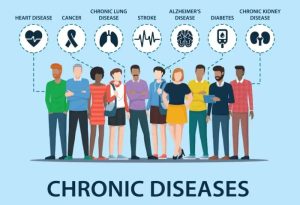
Chronic diseases can have a significant impact on overall health, especially when traveling. Conditions such as diabetes, hypertension, heart disease, and asthma require careful management to ensure well-being and prevent complications while on the road.
Managing Chronic Conditions While Traveling
- Always carry an ample supply of medications and necessary medical supplies to last throughout your trip.
- Research healthcare facilities at your destination in case of emergencies or the need for medical attention.
- Stay in regular communication with your healthcare provider to update them on your travel plans and seek advice if needed.
- Monitor vital signs and symptoms regularly to catch any changes early and address them promptly.
- Avoid excessive physical exertion or activities that may trigger health issues related to your chronic condition.
Staying Proactive About Health and Well-being
- Follow a balanced diet, engage in regular exercise, and prioritize quality sleep to support overall health and manage chronic diseases effectively.
- Practice stress management techniques such as meditation, deep breathing, or mindfulness to reduce the impact of stress on your condition.
- Stay hydrated, especially in hot or dry climates, to prevent complications related to dehydration.
- Keep a record of your medical history, prescriptions, and emergency contacts handy at all times.
- Listen to your body and rest when needed to avoid exacerbating symptoms of chronic diseases.
Last Word
Embrace these strategies to enjoy a balanced diet while traveling, making your trips not just memorable but also beneficial for your overall well-being.
Popular Questions
How can I ensure I’m eating healthy while traveling?
Plan your meals ahead, choose nutrient-rich options, and stay hydrated to maintain a balanced diet.
What are some mood-boosting foods I can include in my travel-friendly diet?
Foods like dark chocolate, nuts, and berries can help lift your mood while on the go.
How can I manage stress levels during travel?
Practice deep breathing, meditation, and engage in physical activities to reduce stress while traveling.
What are some easy exercises I can do to stay active during my travels?
Simple exercises like stretching, walking, and bodyweight workouts can help you stay fit while on the move.
How important is it to prioritize self-care routines during travel?
Self-care is crucial for maintaining overall well-being, so make time for activities that relax and rejuvenate you during your trips.