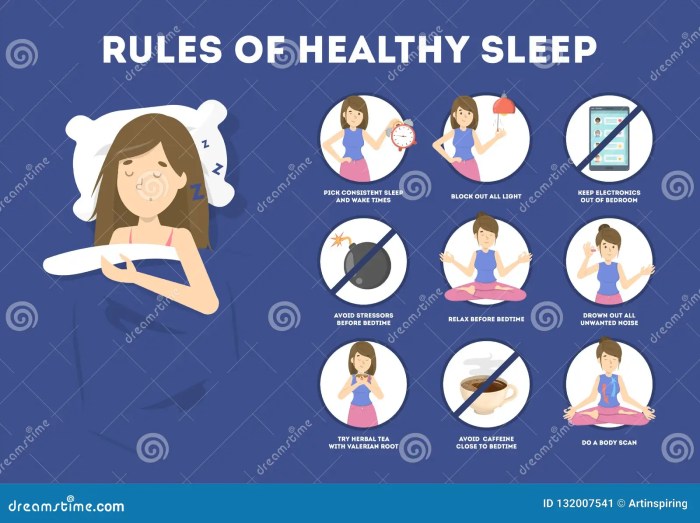
How to create a bedtime routine for quality sleep sets the stage for this enthralling narrative, offering readers a glimpse into a story that is rich in detail with casual formal language style and brimming with originality from the outset.
The journey to better sleep starts with establishing a consistent bedtime routine that encompasses various aspects of health and well-being.
Introduction to Bedtime Routine for Quality Sleep
Establishing a bedtime routine is crucial for ensuring quality sleep and overall well-being. By following a consistent routine, individuals can improve their sleep patterns and enhance the quality of their rest.
Benefits of a Consistent Bedtime Routine, How to create a bedtime routine for quality sleep
- Improved Sleep Quality: A bedtime routine helps regulate the body’s internal clock, making it easier to fall asleep and stay asleep throughout the night.
- Reduced Stress and Anxiety: Engaging in calming activities before bed can lower stress levels and promote relaxation, leading to a more restful sleep.
- Enhanced Mental Clarity: Quality sleep resulting from a bedtime routine can sharpen cognitive function and improve focus and concentration during the day.
- Boosted Immune System: Adequate rest from a consistent bedtime routine strengthens the immune system, reducing the risk of illnesses and infections.
Establishing a Balanced Diet
Eating a balanced diet plays a crucial role in promoting quality sleep. The nutrients we consume impact our sleep patterns and overall health. A well-rounded diet can help regulate hormones, stabilize blood sugar levels, and support the body’s natural sleep-wake cycle.
Examples of Nutrient-Rich Foods
Including the following foods in your diet can support better sleep:
- Fruits and vegetables rich in vitamins and minerals
- Whole grains like oats and brown rice
- Lean proteins such as chicken, fish, and tofu
- Healthy fats like avocados, nuts, and seeds
- Dairy products or plant-based alternatives for calcium
Impact of Poor Dietary Choices
Poor dietary choices can negatively affect sleep patterns. Consuming high amounts of processed foods, sugary snacks, caffeine, and alcohol close to bedtime can disrupt sleep. These foods can lead to digestive discomfort, fluctuations in blood sugar levels, and interfere with the body’s ability to rest and recover during the night.
Mental Wellness and Sleep
Maintaining good mental wellness is crucial for establishing a quality bedtime routine. Our mental state directly affects our ability to relax and fall asleep, making it essential to manage stress and anxiety effectively before bedtime.
Techniques for Managing Stress and Anxiety
- Practice relaxation techniques such as deep breathing, meditation, or progressive muscle relaxation to calm your mind before bed.
- Avoid stimulating activities like watching intense movies or engaging in stressful work tasks close to bedtime.
- Write down your worries or thoughts in a journal to help clear your mind and prevent them from keeping you awake at night.
- Engage in light physical activity during the day to reduce stress and improve your overall mood, which can positively impact your sleep quality.
The Link Between Mental Health and Sleep Quality
Research has shown that individuals with poor mental health are more likely to experience sleep disturbances and insomnia. Mental wellness plays a significant role in regulating our sleep patterns and ensuring restful and rejuvenating sleep each night.
Importance of Physical Fitness
Regular physical activity plays a crucial role in promoting quality sleep. Exercise helps regulate hormones, reduce stress, and improve overall well-being, all of which contribute to better sleep patterns.
Relationship Between Physical Activity and Quality Sleep
Regular exercise has been linked to improved sleep quality and duration. Physical activity helps to reduce symptoms of insomnia and other sleep disorders by promoting relaxation and reducing anxiety levels. Additionally, exercise can help regulate the body’s internal clock, making it easier to fall asleep and stay asleep throughout the night.
- Examples of exercises that can help improve sleep patterns include:
- 1. Aerobic exercises like running, swimming, or cycling
- 2. Strength training with weights or resistance bands
- 3. Yoga or Pilates for relaxation and stress relief
Benefits of Incorporating Regular Exercise into a Bedtime Routine
Incorporating regular exercise into a bedtime routine can have numerous benefits for sleep quality. Exercise helps to release endorphins, which can promote feelings of happiness and relaxation, making it easier to unwind before bed. Additionally, physical activity can tire the body, making it more prepared for restful sleep.
Overall, a consistent exercise routine can lead to more restful nights and improved overall health.
Adequate Hydration for Better Sleep
Staying hydrated is crucial for getting a good night’s sleep. Dehydration can lead to various issues that can disrupt your sleep cycle, affecting the quality of rest you get each night.
Importance of Hydration for Quality Sleep
- Hydration plays a key role in regulating your body temperature, which is essential for falling asleep and staying asleep comfortably.
- Proper hydration helps in maintaining the balance of electrolytes in your body, which is important for muscle function and relaxation during sleep.
- Dehydration can cause headaches, fatigue, and overall discomfort, making it harder to relax and drift off to sleep.
Tips for Maintaining Adequate Hydration
- Drink water regularly throughout the day, aiming for at least 8-10 glasses daily.
- Avoid excessive consumption of caffeinated or alcoholic beverages, as they can contribute to dehydration.
- Include hydrating foods in your diet, such as fruits and vegetables with high water content.
- Carry a reusable water bottle with you to ensure you have access to water wherever you go.
Impact of Dehydration on Sleep Quality
- Dehydration can lead to increased snoring and dry mouth, which can disrupt your sleep and leave you feeling groggy in the morning.
- Studies have shown that even mild dehydration can affect cognitive function and mood, making it harder to relax and fall asleep.
- Chronic dehydration has been linked to sleep disorders such as insomnia and sleep apnea, emphasizing the importance of staying hydrated for overall sleep health.
Healthy Lifestyle Choices
Creating healthy lifestyle choices can significantly impact the quality of your sleep. By incorporating these habits into your bedtime routine, you can improve your overall sleep health.
Regular Exercise
Engaging in regular physical activity can help regulate your sleep-wake cycle and promote better sleep. Aim for at least 30 minutes of exercise most days of the week.
Healthy Eating Habits
Consuming a well-balanced diet that is rich in fruits, vegetables, whole grains, and lean proteins can support good sleep. Avoid heavy meals close to bedtime and reduce caffeine and sugar intake.
Stress Management
Practicing relaxation techniques such as deep breathing, meditation, or yoga can help reduce stress levels and improve sleep quality. Create a calming bedtime routine to unwind before sleep.
Digital Detox
Avoiding screens such as smartphones, tablets, and computers before bedtime can help regulate your body’s production of melatonin, the hormone that controls sleep-wake cycles. Opt for reading a book or listening to calming music instead.
Stress Management Techniques
Stress can significantly impact our ability to fall asleep and stay asleep, leading to poor quality sleep and potential health issues. Implementing effective stress management techniques can help improve sleep quality and overall well-being.
Deep Breathing Exercises
- Practice deep breathing exercises before bedtime to relax the mind and body.
- Inhale deeply through your nose for a count of four, hold for seven, and exhale slowly through your mouth for eight.
- Repeat this breathing pattern several times to calm your nervous system and reduce stress levels.
Mindfulness Meditation
- Engage in mindfulness meditation to focus on the present moment and let go of racing thoughts.
- Find a quiet space, close your eyes, and concentrate on your breath or a calming mantra.
- Practice mindfulness for a few minutes each day to cultivate a sense of calm and relaxation.
Progressive Muscle Relaxation
- Progressive muscle relaxation involves tensing and relaxing different muscle groups to release physical tension.
- Start from your toes and work your way up to your head, focusing on each muscle group for a few seconds before releasing.
- This technique can help alleviate muscle tension and promote a state of relaxation conducive to sleep.
Creating a Calming Bedtime Environment
- Avoid screens and stimulating activities before bed to reduce stress levels.
- Use calming scents like lavender or chamomile in your bedroom to promote relaxation.
- Ensure your sleep environment is dark, quiet, and at a comfortable temperature for optimal sleep quality.
Preventive Care for Better Sleep
Maintaining quality sleep is crucial for overall health and well-being. One often overlooked aspect of achieving quality sleep is preventive care. By taking proactive measures to address potential health issues before they escalate, individuals can significantly improve their sleep quality.
Importance of Regular Check-ups and Screenings
Regular check-ups and screenings play a vital role in identifying any underlying health conditions that may be affecting sleep. Conditions such as sleep apnea, restless leg syndrome, or insomnia can be detected early through these preventive measures. By addressing these issues promptly, individuals can prevent them from worsening and impacting their sleep patterns.
Impact of Preventive Care on Sleep Disorders
Preventive care measures, such as maintaining a healthy lifestyle, managing stress, and seeking professional help when needed, can have a significant impact on sleep disorders. By addressing the root causes of sleep disturbances through preventive care, individuals can effectively manage and improve their sleep quality.
Regular exercise, a balanced diet, and proper hydration are all essential components of preventive care that can positively influence sleep disorders.
Importance of Proper Nutrition

Proper nutrition plays a crucial role in establishing a healthy bedtime routine. The food we consume directly impacts our overall well-being, including our sleep quality.
Nutrients that Impact Sleep Quality
- Omega-3 Fatty Acids: Found in fatty fish like salmon, these can help regulate serotonin levels, promoting better sleep.
- Magnesium: Helps relax muscles and calm the nervous system, aiding in falling asleep faster and improving sleep quality.
- Vitamin B6: Necessary for the production of melatonin, the hormone that regulates sleep-wake cycles.
Foods that Promote Better Sleep
- Almonds: Rich in magnesium, promoting muscle relaxation and better sleep.
- Cherries: Natural source of melatonin, aiding in regulating the sleep-wake cycle.
- Whole Grains: Contain tryptophan, which helps in the production of serotonin for improved sleep.
Quality Sleep and Cardio Health
Quality sleep plays a crucial role in maintaining cardiovascular health. The relationship between the two is intricate, as sleep patterns can significantly impact the heart’s well-being. Here, we will explore how improving sleep quality can enhance cardiovascular wellness.
Sleep Patterns and Heart Health
Consistent poor sleep patterns have been linked to an increased risk of developing heart disease. When we don’t get enough quality sleep, our bodies may experience higher levels of stress hormones, inflammation, and elevated blood pressure, all of which can contribute to heart problems.
On the other hand, prioritizing quality sleep can help regulate these factors, ultimately reducing the risk of cardiovascular issues. Adequate rest allows the body to repair and rejuvenate, supporting overall heart health.
Tips for Improving Sleep Quality and Cardiovascular Wellness
- Avoid caffeine and heavy meals close to bedtime to promote better sleep.
- Establish a relaxing bedtime routine to signal to your body that it’s time to wind down.
- Keep your bedroom dark, quiet, and at a comfortable temperature to create an optimal sleep environment.
- Engage in regular physical activity during the day to promote better sleep at night and boost cardiovascular health.
- Practice stress-reducing techniques such as meditation or deep breathing exercises to calm the mind before sleep.
Immune Boosting Benefits of Sleep
Quality sleep plays a crucial role in boosting the immune system and supporting overall health. Let’s explore how optimizing your sleep can enhance your immune health.
Impact of Sleep on Immune Function
Sleep deprivation can have a negative impact on the immune system, making you more susceptible to infections and illnesses. When you don’t get enough quality sleep, your body produces fewer cytokines, which are proteins that help the immune system fight off infections.
This can weaken your body’s ability to defend itself against harmful pathogens.
Optimizing Sleep for Immune Health
- Aim for 7-9 hours of quality sleep each night to support your immune system.
- Create a relaxing bedtime routine to signal to your body that it’s time to wind down and prepare for sleep.
- Keep your bedroom cool, dark, and quiet to promote a restful night’s sleep.
- Avoid caffeine, heavy meals, and electronic devices close to bedtime to improve sleep quality.
- Practice stress-reducing activities like meditation or deep breathing exercises to calm your mind before sleep.
Healthy Sleep Habits for Immune Support
- Maintain a consistent sleep schedule, going to bed and waking up at the same time each day.
- Limit naps during the day to avoid disrupting your regular sleep patterns.
- Engage in regular physical activity to promote better sleep quality and enhance immune function.
- Stay hydrated throughout the day, as dehydration can negatively impact sleep quality and immune health.
- Prioritize relaxation and self-care to reduce stress levels and promote restorative sleep.
Cultivating a Positive Mindset for Better Sleep
Having a positive mindset can significantly impact the quality of your sleep. When you approach bedtime with a positive mental outlook, you are more likely to relax, unwind, and drift off to sleep peacefully. On the other hand, negativity can lead to racing thoughts, anxiety, and difficulty falling asleep, ultimately affecting your overall well-being.
Techniques for Fostering a Positive Mental Outlook
- Avoid negative stimuli before bedtime, such as watching the news or engaging in stressful conversations.
- Practice gratitude by reflecting on positive aspects of your day or writing in a gratitude journal.
- Engage in relaxation techniques like deep breathing, meditation, or gentle stretching to calm the mind.
- Affirmations can be powerful – repeat positive statements to yourself to promote a sense of well-being.
Impact of Negativity on Sleep Patterns and Overall Well-being
Negativity before bedtime can disrupt your sleep patterns, leading to insomnia, restlessness, and poor sleep quality. Chronic negative thinking can also contribute to increased stress levels, anxiety, and mood disturbances, affecting your overall mental and physical health. By cultivating a positive mindset, you can create a conducive environment for restful sleep and promote better well-being.
Clean Eating and Sleep Quality: How To Create A Bedtime Routine For Quality Sleep
Eating clean, whole foods can have a positive impact on your sleep quality by providing your body with the necessary nutrients for optimal functioning. It can also help regulate your hormones and reduce inflammation, leading to improved rest and overall well-being.
Benefits of Clean Eating for Better Sleep
- Consuming whole, unprocessed foods can help stabilize blood sugar levels throughout the day, preventing energy crashes that may disrupt sleep patterns.
- Whole foods are rich in vitamins, minerals, and antioxidants that support overall health and can contribute to a more restful night’s sleep.
- Avoiding processed foods high in sugar and unhealthy fats can reduce inflammation in the body, which is linked to sleep disorders and disturbances.
Examples of Clean Eating Practices for a Bedtime Routine
- Include a variety of fruits, vegetables, whole grains, lean proteins, and healthy fats in your meals to ensure a balanced intake of nutrients.
- Avoid caffeine, alcohol, and heavy meals close to bedtime, as these can disrupt sleep patterns and lead to poor quality rest.
- Opt for herbal teas, nuts, or light snacks if you feel hungry before bed to promote relaxation and a more restful night’s sleep.
Daily Activity and Sleep Patterns
Regular physical activity plays a crucial role in maintaining healthy sleep patterns. By incorporating daily movement into your routine, you can improve the quality of your sleep and overall well-being.
Impact of Physical Activity on Sleep Quality
- Physical activity helps regulate the body’s internal clock, known as the circadian rhythm, which influences sleep-wake cycles.
- Exercise promotes the release of endorphins, which can reduce stress and anxiety, leading to improved sleep quality.
- Regular physical activity can help tire the body out, making it easier to fall asleep and stay asleep throughout the night.
Tips for Including Daily Activity in Your Bedtime Routine
- Engage in moderate exercise earlier in the day to avoid overstimulation close to bedtime.
- Consider activities like yoga or stretching before bed to relax your muscles and calm your mind.
- Avoid vigorous exercise right before sleep, as it may increase alertness and make it harder to wind down.
Holistic Health Approach to Sleep
When it comes to improving sleep quality, taking a holistic approach involves considering the interconnectedness of mind, body, and spirit. By addressing various aspects of well-being, holistic practices can enhance overall health and promote better sleep patterns.
Integrating Holistic Health Principles
- Engage in relaxation techniques such as deep breathing, meditation, or yoga to calm the mind before bedtime.
- Create a calming sleep environment by reducing screen time, dimming lights, and incorporating soothing scents like lavender or chamomile.
- Practice mindful eating by choosing nutritious foods that support sleep, such as whole grains, leafy greens, and lean proteins.
- Stay physically active throughout the day to promote better circulation and reduce stress, leading to improved sleep quality.
Benefits of Holistic Practices
- Enhanced relaxation and stress reduction can lead to improved sleep onset and overall sleep duration.
- By focusing on overall well-being, holistic approaches can address underlying issues that may be impacting sleep, such as anxiety or digestive problems.
- Integrating holistic health principles into a bedtime routine can create a sense of balance and harmony, promoting a more restful night’s sleep.
Mindful Living and Sleep Quality
Mindful living involves being present in the moment, paying attention to thoughts and feelings without judgment. This practice can have a significant impact on sleep quality by reducing stress and promoting relaxation.
Mindfulness Practices for Better Sleep
- Practice deep breathing exercises before bed to calm the mind and body.
- Engage in meditation to clear your thoughts and promote a sense of inner peace.
- Try progressive muscle relaxation to release tension and prepare the body for sleep.
Benefits of Mindfulness for Bedtime Routine
- Reduces stress and anxiety levels, creating a more peaceful environment for sleep.
- Improves focus and concentration, helping to quiet the mind before bedtime.
- Promotes a sense of gratitude and positivity, leading to a more restful night’s sleep.
Emotional Balance and Sleep
Emotional balance plays a crucial role in achieving quality sleep. When our emotions are in check, it becomes easier to relax, unwind, and drift off into a peaceful slumber. On the other hand, heightened emotions like stress, anxiety, or sadness can disrupt our sleep patterns and lead to insomnia or poor sleep quality.
Strategies for Managing Emotions to Improve Sleep Patterns
- Practice relaxation techniques such as deep breathing, meditation, or yoga to calm the mind and body before bedtime.
- Engage in activities that bring you joy and help release pent-up emotions, such as hobbies, exercise, or spending time with loved ones.
- Keep a journal to express and process your feelings, allowing you to release any emotional tension before trying to sleep.
- Seek professional help if you’re struggling with persistent emotional issues that are impacting your sleep, such as therapy or counseling.
Connection Between Emotional Well-being and Sleep Quality
Our emotional state directly affects the release of stress hormones like cortisol, which can interfere with the natural sleep-wake cycle and disrupt the quality of our rest.
Emotional balance promotes a sense of calm and relaxation, creating an optimal environment for restful sleep. By addressing and managing our emotions effectively, we can improve our sleep quality and overall well-being.
Health Education for Better Sleep
Health education plays a crucial role in establishing a bedtime routine that promotes quality sleep. By understanding the principles of sleep hygiene and overall health, individuals can make informed choices that contribute to better rest and overall well-being.
The Benefits of Understanding Sleep Hygiene and Health Principles
- Improved Sleep Quality: Knowledge of sleep hygiene practices can help optimize the sleep environment and habits for better rest.
- Enhanced Overall Health: A good night’s sleep is essential for physical, mental, and emotional well-being, making it important to prioritize sleep health.
- Reduced Risk of Health Conditions: Adequate sleep is linked to a lower risk of various health issues, such as heart disease, obesity, and mental health disorders.
- Increased Productivity and Focus: Quality sleep leads to improved cognitive function, concentration, and productivity throughout the day.
Resources for Learning More about Sleep Health and Quality Sleep
- Online Articles and Websites: Websites like the National Sleep Foundation and Sleep.org offer valuable information on sleep health and tips for improving sleep quality.
- Books and Publications: Books by sleep experts such as Matthew Walker and Shawn Stevenson provide in-depth insights into the science of sleep and practical strategies for better rest.
- Healthcare Professionals: Consulting with healthcare providers, sleep specialists, or therapists can offer personalized guidance on improving sleep habits and addressing sleep-related issues.
- Mobile Apps: Sleep tracking apps and tools like Sleep Cycle or Calm can help individuals monitor their sleep patterns and incorporate relaxation techniques for better sleep.
Self-Care Practices for Quality Sleep
Self-care practices play a crucial role in supporting restful sleep and improving overall well-being. By incorporating self-care routines into your daily life, you can enhance the quality of your sleep and promote a healthier lifestyle.
Mindfulness Meditation
Practicing mindfulness meditation before bedtime can help calm the mind, reduce stress, and prepare the body for sleep. By focusing on the present moment and letting go of racing thoughts, you can create a sense of relaxation that promotes better sleep quality.
Yoga and Stretching Exercises
Engaging in gentle yoga or stretching exercises before bed can help release tension in the body, improve circulation, and promote relaxation. By incorporating these practices into your bedtime routine, you can prepare your body for restful sleep and alleviate any physical discomfort that may disrupt your rest.
Aromatherapy and Essential Oils
Using aromatherapy and essential oils, such as lavender or chamomile, can create a calming atmosphere in your bedroom and promote relaxation. By diffusing these soothing scents or applying them topically, you can enhance your sleep environment and encourage a sense of tranquility that supports restful sleep.
Digital Detox
Prioritizing a digital detox before bedtime can help reduce exposure to blue light, which can disrupt your circadian rhythm and inhibit the production of melatonin. By disconnecting from electronic devices an hour before bed, you can create a more conducive environment for sleep and improve your overall sleep quality.
Journaling and Gratitude Practice
Engaging in journaling or a gratitude practice before bed can help clear your mind, process emotions, and foster a sense of positivity. By reflecting on your day, expressing gratitude, or jotting down your thoughts, you can promote emotional well-being and create a more peaceful mindset that supports restful sleep.
Managing Chronic Diseases and Sleep
When it comes to managing chronic diseases, sleep quality plays a crucial role in overall health and well-being. Individuals with chronic conditions often face challenges that can impact their ability to get a good night’s sleep. It is essential to understand how these conditions can affect sleep patterns and what steps can be taken to improve sleep quality.
Impact of Chronic Diseases on Sleep Quality
- Chronic pain and discomfort can make it difficult to fall asleep or stay asleep throughout the night.
- Conditions like diabetes or heart disease may disrupt sleep due to fluctuations in blood sugar levels or breathing difficulties.
- Mental health disorders such as depression or anxiety can also lead to insomnia or other sleep disorders.
Tips to Improve Sleep for Individuals with Chronic Conditions
- Establish a consistent bedtime routine to signal to your body that it’s time to wind down and prepare for sleep.
- Practice relaxation techniques such as deep breathing or meditation to reduce stress and promote relaxation before bedtime.
- Create a sleep-friendly environment by keeping your bedroom dark, quiet, and at a comfortable temperature.
- Avoid stimulants like caffeine or electronic devices close to bedtime to prevent interference with your sleep patterns.
Importance of Seeking Professional Guidance for Sleep Issues
- Consult with your healthcare provider if you are experiencing persistent sleep problems related to your chronic disease.
- A sleep specialist can help diagnose and treat sleep disorders that may be impacting your overall health and quality of life.
- Medications or other interventions may be recommended to improve your sleep quality and manage symptoms of your chronic condition.
Final Summary
As you embark on the quest for quality sleep through a structured bedtime routine, remember that small changes can lead to significant improvements in your overall well-being and daily functioning. Sweet dreams!
Popular Questions
How important is a bedtime routine for quality sleep?
Having a consistent bedtime routine signals to your body that it’s time to wind down, leading to better sleep quality.
What role does mental wellness play in creating a bedtime routine?
Mental wellness is crucial for establishing a peaceful bedtime routine, as stress and anxiety can disrupt sleep patterns.
Why is physical fitness important for quality sleep?
Regular exercise can help improve sleep patterns and overall sleep quality by promoting relaxation and reducing stress.