Benefits of regular exercise for managing diabetes: Improve Health With Physical Activity Beginning with Benefits of regular exercise for managing diabetes, the narrative unfolds in a compelling and distinctive manner, drawing readers into a story that promises to be both engaging and uniquely memorable.
The benefits of regular exercise for managing diabetes are numerous and impactful. From controlling blood sugar levels to improving overall health, physical activity plays a crucial role in diabetes management. Let’s delve deeper into how exercise can positively influence the well-being of individuals dealing with diabetes.
Balanced Diet
Maintaining a balanced diet is crucial for managing diabetes effectively. A balanced diet helps in controlling blood sugar levels, reducing the risk of complications, and promoting overall health and well-being.
Importance of Nutrient-rich Foods
Including a variety of nutrient-rich foods in a diabetic diet is essential for providing the body with essential vitamins, minerals, and antioxidants. These foods help in improving insulin sensitivity, reducing inflammation, and managing weight.
- Fruits and Vegetables: Rich in fiber, vitamins, and minerals, fruits and vegetables help in regulating blood sugar levels and reducing the risk of heart disease.
- Whole Grains: Whole grains like brown rice, quinoa, and oats provide a steady source of energy and help in controlling blood sugar.
- Lean Proteins: Foods like poultry, fish, tofu, and legumes are excellent sources of protein that help in managing blood sugar levels.
- Healthy Fats: Foods like avocados, nuts, seeds, and olive oil contain healthy fats that support heart health and help in managing diabetes.
Role of Carbohydrates, Proteins, and Fats
Carbohydrates, proteins, and fats play a crucial role in maintaining blood sugar levels in individuals with diabetes.
- Carbohydrates: Choosing complex carbohydrates like whole grains and legumes over simple carbohydrates helps in preventing spikes in blood sugar levels.
- Proteins: Including lean proteins in meals helps in stabilizing blood sugar levels and promoting satiety.
- Fats: Opting for healthy fats like omega-3 fatty acids and monounsaturated fats supports heart health and aids in managing diabetes.
Mental Wellness
Regular exercise plays a crucial role in promoting mental well-being for individuals managing diabetes. Physical activity has been shown to reduce stress, anxiety, and depression, which are common in those with diabetes. Exercise releases endorphins, also known as “feel-good” hormones, that can improve mood and overall mental health.
Incorporating Mindfulness Practices
- Start each exercise session with deep breathing or meditation to bring focus to the present moment.
- Engage in activities like yoga or tai chi that combine physical movement with mindfulness techniques.
- Practice gratitude and positive affirmations during or after your workout to cultivate a positive mindset.
Relationship between Mental Health and Diabetes Management
Regular exercise not only benefits physical health but also plays a significant role in managing diabetes effectively. Mental health is closely linked to diabetes management, as stress and negative emotions can impact blood sugar levels. By incorporating mindfulness practices into your exercise routine, you can improve your mental well-being and enhance your overall diabetes management plan.
Physical Fitness
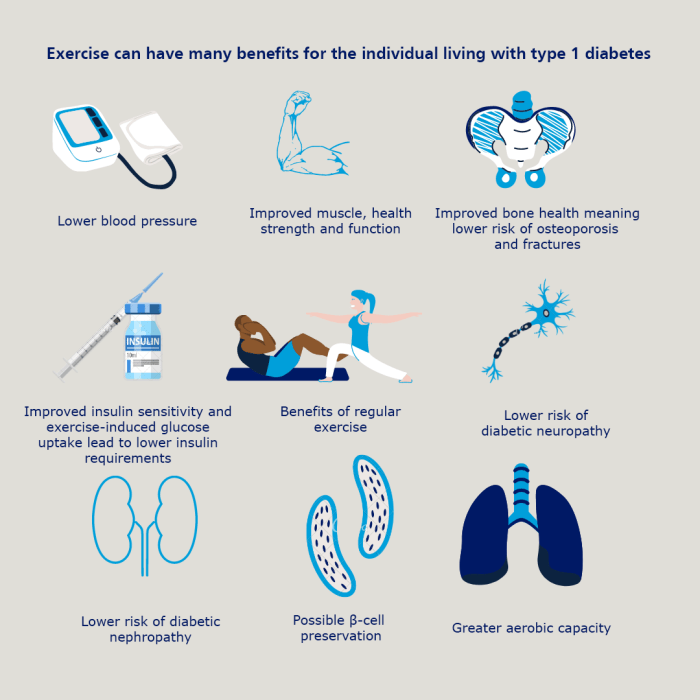
Regular physical activity is crucial for managing diabetes as it helps control blood sugar levels, improve insulin sensitivity, and reduce the risk of complications. Different types of exercises can benefit individuals with diabetes in various ways.
Types of Exercises
- Aerobic Exercises: Activities like walking, jogging, cycling, swimming, or dancing can help lower blood sugar levels and improve cardiovascular health.
- Strength Training: Resistance exercises using weights, resistance bands, or body weight can increase muscle mass, improve metabolism, and enhance insulin sensitivity.
- Flexibility and Balance Exercises: Stretching, yoga, or tai chi can help improve flexibility, reduce stress, and lower the risk of falls in individuals with diabetes.
Impact on Insulin Sensitivity
Regular physical activity plays a significant role in improving insulin sensitivity, allowing cells to use glucose more effectively. Exercise helps muscle cells absorb more glucose without the need for insulin, leading to better blood sugar control.
Creating a Personalized Fitness Plan
- Consult with a healthcare provider or a fitness professional to assess your current fitness level and health status.
- Set realistic goals based on your abilities, preferences, and time availability.
- Incorporate a mix of aerobic, strength training, and flexibility exercises into your weekly routine.
- Monitor your blood sugar levels before, during, and after exercise to understand how different activities affect your body.
- Adjust your fitness plan as needed and stay consistent with your exercise routine to reap the benefits of physical fitness for managing diabetes.
Adequate Hydration
Maintaining adequate hydration is crucial for individuals with diabetes, especially when engaging in regular exercise. Proper hydration helps regulate blood sugar levels, improve overall health, and enhance exercise performance.
Tips for Ensuring Adequate Hydration During Exercise
- Drink water before, during, and after exercise to prevent dehydration.
- Monitor your urine color – pale yellow indicates proper hydration.
- Avoid sugary drinks and opt for water or sugar-free alternatives.
- Carry a water bottle with you to remind yourself to drink regularly.
Effects of Dehydration on Blood Sugar Levels
Dehydration can lead to spikes in blood sugar levels for individuals with diabetes. When the body is dehydrated, it tries to conserve water, leading to an increase in blood sugar concentration. This can make it harder to manage diabetes and may result in complications if left unaddressed.
Regular Exercise
Regular exercise plays a crucial role in managing diabetes by helping to control blood sugar levels. When combined with a balanced diet, physical activity can improve insulin sensitivity, reduce the risk of cardiovascular complications, and contribute to overall well-being.
Benefits of Regular Exercise for Controlling Blood Sugar Levels
Regular exercise helps to lower blood sugar levels by increasing the body’s sensitivity to insulin. It also aids in weight management, reduces stress, and improves cardiovascular health. By engaging in physical activity, individuals with diabetes can better regulate their blood glucose levels and reduce the need for medication.
Examples of Aerobic and Strength Training Exercises for Diabetics
- Aerobic exercises: Walking, jogging, swimming, cycling, and dancing are excellent choices for improving cardiovascular fitness and burning calories. Aim for at least 150 minutes of moderate-intensity aerobic activity per week.
- Strength training exercises: Bodyweight exercises, resistance band workouts, and weightlifting help to build muscle mass, increase metabolism, and improve overall strength. Include strength training activities at least two days a week.
Recommended Frequency and Duration of Exercise for Optimal Diabetes Management
- Frequency: Aim for at least 150 minutes of moderate-intensity aerobic activity spread throughout the week, with no more than two consecutive days without exercise.
- Duration: Perform aerobic exercises for at least 30 minutes per session, and include strength training activities that target major muscle groups. Consult with a healthcare provider or fitness professional to create a personalized exercise plan.
Healthy Lifestyle
Adopting a healthy lifestyle is crucial for effectively managing diabetes. Lifestyle choices play a significant role in controlling blood sugar levels, reducing the risk of complications, and improving overall well-being.
Tips for Making Sustainable Lifestyle Changes
- Start small and set achievable goals to avoid feeling overwhelmed.
- Focus on incorporating nutritious foods into your diet, such as fruits, vegetables, whole grains, and lean proteins.
- Engage in regular physical activity that you enjoy, whether it’s walking, cycling, swimming, or yoga.
- Monitor your blood sugar levels regularly and adjust your lifestyle habits accordingly.
Impact of Lifestyle Choices on Long-Term Health Outcomes
Consistently making healthy lifestyle choices can lead to better long-term health outcomes for individuals with diabetes. By maintaining a balanced diet, staying physically active, managing stress effectively, and prioritizing self-care, individuals can reduce the risk of complications and improve their quality of life.
Nutrient-Rich
Consuming a diet rich in essential nutrients is crucial for individuals with diabetes as it helps in managing blood sugar levels, reducing the risk of complications, and promoting overall health. Nutrient-rich foods provide the necessary vitamins, minerals, and antioxidants that play a key role in diabetes management.
Essential Nutrients for Diabetes Management
- 1. Fiber: Helps in controlling blood sugar levels and promotes digestive health.
- 2. Omega-3 Fatty Acids: Reduce inflammation and lower the risk of heart disease.
- 3. Magnesium: Improves insulin sensitivity and regulates blood sugar levels.
- 4. Vitamin D: Enhances insulin secretion and sensitivity.
Impact of Micronutrients on Health
Micronutrients such as vitamins and minerals are essential for overall health in diabetic individuals. They play a crucial role in various bodily functions and help in preventing complications associated with diabetes. Adequate intake of micronutrients can improve immune function, support nerve health, and reduce oxidative stress in the body.
Stress Management
Stress can have a significant impact on blood sugar levels in individuals with diabetes. When stressed, the body releases hormones like cortisol and adrenaline, which can cause blood sugar levels to rise. This can be particularly challenging for diabetics, as high blood sugar levels can lead to complications and worsen their condition.
Effective Stress Management Techniques for Diabetics
- Regular Physical Activity: Exercise is not only beneficial for physical health but also helps in reducing stress levels. Incorporating activities like walking, yoga, or swimming can help manage stress effectively.
- Deep Breathing and Meditation: Practicing deep breathing exercises and mindfulness meditation can help calm the mind and reduce stress levels.
- Healthy Diet: Eating a balanced diet rich in fruits, vegetables, whole grains, and lean proteins can support overall well-being and reduce stress.
- Quality Sleep: Ensuring an adequate amount of sleep is essential for managing stress. Lack of sleep can exacerbate stress levels and impact blood sugar control.
Importance of Stress Reduction in Diabetes Self-Care Routines
Reducing stress is crucial for individuals with diabetes as it not only helps in maintaining stable blood sugar levels but also improves overall quality of life. By incorporating stress management techniques into their daily routines, diabetics can better control their condition and minimize the risk of complications.
Preventive Care: Benefits Of Regular Exercise For Managing Diabetes
Regular preventive care is crucial in managing diabetes effectively. By staying proactive and vigilant, individuals can reduce the risk of complications and maintain better control over their condition.
Importance of Preventive Care in Diabetes Management
- Preventive care measures help in early detection of any potential issues, allowing for timely intervention and treatment.
- Regular screenings and tests can help monitor blood sugar levels, cholesterol, blood pressure, and kidney function, among other essential health markers.
- Early detection of complications such as diabetic retinopathy, neuropathy, and cardiovascular disease can lead to better outcomes and improved quality of life.
- Preventive care also includes lifestyle modifications, such as maintaining a healthy diet, staying physically active, and managing stress, which are crucial in diabetes management.
Examples of Preventive Screenings and Tests for Individuals with Diabetes
- Annual eye exams to check for diabetic retinopathy and other eye-related complications.
- Regular foot exams to detect neuropathy or foot ulcers early on.
- Periodic A1C tests to monitor long-term blood sugar control.
- Cholesterol and blood pressure checks to assess cardiovascular risk factors.
Role of Early Detection in Preventing Complications
- Early detection allows healthcare providers to address issues promptly, preventing them from escalating into more serious complications.
- Timely management of blood sugar levels, blood pressure, and cholesterol can reduce the risk of heart disease, stroke, and other diabetes-related complications.
- Regular preventive care can empower individuals with diabetes to take control of their health and make informed decisions about their treatment plan.
Proper Nutrition
Proper nutrition plays a crucial role in regulating blood sugar levels for individuals with diabetes. By following dietary guidelines and practicing meal planning with portion control, it is possible to achieve optimal management of diabetes.
Role of Proper Nutrition in Regulating Blood Sugar Levels
Proper nutrition is essential for individuals with diabetes as it directly impacts blood sugar levels. Consuming a balanced diet that includes a variety of nutrient-rich foods helps in maintaining stable blood glucose levels throughout the day.
Dietary Guidelines for Individuals with Diabetes
- Focus on consuming whole grains, fruits, vegetables, lean proteins, and healthy fats.
- Avoid foods high in added sugars, saturated fats, and sodium.
- Monitor carbohydrate intake and distribute them evenly throughout meals and snacks.
- Stay hydrated by drinking plenty of water and limiting sugary beverages.
Importance of Meal Planning and Portion Control
Meal planning and portion control are essential components of managing diabetes effectively. By planning meals in advance and controlling portion sizes, individuals can better regulate their blood sugar levels and avoid drastic spikes or drops. It also helps in maintaining a healthy weight, which is beneficial for overall diabetes management.
Quality Sleep
Quality sleep plays a crucial role in managing blood sugar levels for individuals with diabetes. It directly impacts insulin sensitivity and overall metabolic function. Poor sleep quality can lead to increased insulin resistance, making it more challenging to control blood sugar levels effectively.
Impact of Quality Sleep on Blood Sugar Control
Quality sleep is essential for regulating hormones that control blood sugar levels, such as insulin. When sleep is disrupted or inadequate, the body may become less sensitive to insulin, leading to higher blood sugar levels. This can contribute to long-term complications for individuals with diabetes.
Tips for Improving Sleep Quality
- Avoid stimulants like caffeine and nicotine close to bedtime.
- Establish a regular sleep schedule and bedtime routine.
- Create a comfortable sleep environment that is dark, quiet, and cool.
- Avoid heavy meals, alcohol, and electronics before bedtime.
Relationship Between Sleep Disturbances and Insulin Resistance
Sleep disturbances, such as insomnia or sleep apnea, have been linked to increased insulin resistance in individuals with diabetes. Disrupted sleep patterns can lead to hormonal imbalances that affect glucose metabolism and insulin sensitivity. Addressing sleep issues can help improve blood sugar control and overall diabetes management.
Cardio Health
Regular exercise plays a crucial role in maintaining cardiovascular health for individuals with diabetes. By engaging in physical activity, diabetics can improve blood circulation, strengthen the heart muscle, and lower the risk of heart disease.
Connection between Diabetes and Heart Disease
People with diabetes are at a higher risk of developing heart disease due to factors such as high blood sugar levels, high blood pressure, and abnormal cholesterol levels. The presence of diabetes can accelerate the progression of heart-related issues, making it essential to manage both conditions effectively.
- Monitor blood sugar levels regularly to maintain stable glucose levels.
- Control blood pressure and cholesterol through medication and lifestyle changes.
- Engage in regular cardiovascular exercises to strengthen the heart and improve overall cardiovascular health.
Immune Boost
Regular exercise plays a crucial role in boosting the immune system of individuals with diabetes. By engaging in physical activity, the body can better fight off infections and illnesses, which is especially important for those managing diabetes.
Importance of a Strong Immune System, Benefits of regular exercise for managing diabetes
Maintaining a strong immune system is vital for overall health and well-being, particularly for individuals with diabetes. A robust immune system helps the body ward off illnesses, reduces the risk of infections, and supports faster recovery from health challenges.
- Regular Exercise: Engaging in physical activity on a consistent basis can help strengthen the immune system by promoting better circulation and oxygenation of the body.
- Healthy Diet: Consuming a balanced diet rich in nutrients, vitamins, and minerals is essential for supporting immune function.
- Adequate Sleep: Getting enough quality sleep is crucial for immune health, as rest allows the body to repair and regenerate.
- Stress Management: Chronic stress can weaken the immune system, so practicing stress-reducing techniques like meditation or yoga is beneficial.
- Hydration: Staying well-hydrated is important for overall health and can help support immune function.
Positive Mindset
Having a positive mindset plays a crucial role in effectively managing diabetes. It can impact self-care practices, overall health, and well-being. Cultivating a positive outlook despite the challenges of diabetes is essential for maintaining a healthy lifestyle and achieving optimal results in managing the condition.
Strategies for Cultivating a Positive Outlook
- Practice gratitude daily by reflecting on the positive aspects of your life.
- Engage in activities that bring you joy and relaxation, such as hobbies or spending time with loved ones.
- Acknowledge your achievements, no matter how small, and celebrate progress towards your goals.
- Avoid negative self-talk and replace it with affirmations and positive reinforcement.
- Stay connected with a support system of friends, family, or a diabetes management group.
Impact of Attitude and Mindset on Diabetes Self-Care
- A positive mindset can improve adherence to medication and treatment plans.
- It can reduce stress levels, which in turn helps in managing blood sugar levels more effectively.
- Positive thinking can motivate you to stay active, eat healthily, and prioritize self-care practices.
- It can enhance resilience in facing the challenges and setbacks that may come with diabetes management.
Clean Eating
When it comes to managing diabetes, clean eating plays a crucial role in maintaining blood sugar levels and overall health. Clean eating involves consuming whole, minimally processed foods that are rich in nutrients and free from added sugars, unhealthy fats, and artificial ingredients.
Benefits of Clean Eating for Individuals with Diabetes
Clean eating offers several benefits for individuals with diabetes. By focusing on whole foods, it helps regulate blood sugar levels, improve insulin sensitivity, and reduce the risk of complications associated with diabetes. Additionally, clean eating supports weight management and overall well-being.
Examples of Clean Eating Habits
- Eating plenty of fruits and vegetables to increase fiber intake and essential nutrients.
- Choosing whole grains such as brown rice, quinoa, and oats over refined grains.
- Opting for lean protein sources like fish, poultry, tofu, and legumes.
- Avoiding sugary beverages and opting for water, herbal tea, or unsweetened beverages.
- Limiting processed foods, snacks, and desserts high in added sugars and unhealthy fats.
Relationship Between Processed Foods and Blood Sugar Control
Processed foods, which are often high in refined sugars, unhealthy fats, and additives, can lead to rapid spikes in blood sugar levels. This can be problematic for individuals with diabetes as it can disrupt blood sugar control and increase the risk of complications.
By reducing the intake of processed foods and focusing on clean eating, individuals with diabetes can better manage their condition and improve overall health.
Daily Activity

Regular daily physical activity is crucial for individuals with diabetes as it helps in managing blood sugar levels, improving insulin sensitivity, and reducing the risk of complications. Incorporating daily activity into your routine can have a significant impact on your overall health and well-being.
Importance of Daily Physical Activity
- Engaging in daily physical activity helps in regulating blood sugar levels and improving insulin sensitivity, which is essential for individuals with diabetes.
- Regular activity can aid in weight management, reducing the risk of obesity and related complications.
- Physical exercise also helps in reducing stress levels and improving mental well-being, which are beneficial for overall health.
Tips for Staying Active Throughout the Day
- Take short walks during breaks at work or at home to increase your daily step count.
- Incorporate simple exercises like stretching or bodyweight workouts into your daily routine.
- Use stairs instead of elevators whenever possible to add more movement to your day.
- Set reminders or alarms to prompt you to move and stretch at regular intervals throughout the day.
Impact of Sedentary Behavior on Blood Sugar Levels
Sedentary behavior, such as sitting for long periods without movement, can negatively affect blood sugar levels in individuals with diabetes. It can lead to insulin resistance, weight gain, and poor glucose control. Therefore, reducing sedentary time and incorporating daily physical activity is essential for managing diabetes effectively.
Holistic Health
When it comes to managing diabetes, adopting a holistic approach to health is essential. Holistic health focuses on treating the whole person, considering physical, mental, and emotional well-being in diabetes care. By addressing all aspects of health, individuals can achieve better overall management of their condition.
Integration of Physical, Mental, and Emotional Well-being
Incorporating physical, mental, and emotional well-being into diabetes management can lead to improved outcomes. Physical activity not only helps control blood sugar levels but also boosts mood and reduces stress. Engaging in mindfulness practices and seeking emotional support can also enhance overall well-being, contributing to better diabetes management.
Holistic Approaches Beyond Medication and Exercise
- Nutritional Therapy: Focusing on a balanced diet rich in nutrients can help regulate blood sugar levels and support overall health.
- Stress Management Techniques: Incorporating stress-reducing activities such as yoga, meditation, or deep breathing exercises can help lower stress levels, which in turn can positively impact blood sugar control.
- Sleep Hygiene: Prioritizing quality sleep can improve insulin sensitivity and overall health, making it an important aspect of holistic diabetes management.
- Social Support: Building a strong support system of friends, family, or support groups can provide emotional support and encouragement in managing diabetes effectively.
Mindful Living
Mindful living plays a crucial role in managing diabetes by helping individuals cultivate awareness of their thoughts, emotions, and actions. This practice encourages a deeper connection to the present moment, which can have numerous benefits for overall well-being and diabetes management.
Benefits of Mindful Living
- Reduces stress levels: Mindfulness techniques such as deep breathing and meditation can help lower stress hormones, which in turn can improve blood sugar control.
- Promotes better decision-making: By being more present and aware, individuals with diabetes can make healthier lifestyle choices, such as opting for nutrient-rich foods and engaging in regular exercise.
- Enhances emotional well-being: Mindful living can help individuals cope with the emotional challenges that come with managing a chronic condition like diabetes, leading to improved mental health.
- Improves focus and concentration: Practicing mindfulness can enhance cognitive function, making it easier to stay on track with diabetes management tasks and goals.
Mindfulness Techniques for Diabetes Management
- Body scan meditation: This technique involves systematically focusing on different parts of the body, promoting relaxation and body awareness.
- Mindful eating: Paying attention to the sensory experience of eating can help individuals make better food choices and avoid overeating.
- Breath awareness: Simply focusing on the breath can help calm the mind and reduce stress levels, which is beneficial for managing blood sugar levels.
Role of Mindfulness in Making Healthier Lifestyle Choices
- Increased self-awareness: Mindfulness can help individuals recognize unhealthy habits and patterns, empowering them to make positive changes.
- Reduced impulsivity: By practicing mindfulness, individuals can become more intentional in their actions and less likely to engage in impulsive behaviors that may negatively impact their health.
- Improved self-regulation: Mindfulness techniques can enhance self-control and discipline, making it easier to stick to a balanced diet, exercise routine, and other diabetes management strategies.
Emotional Balance
Emotional balance plays a crucial role in managing diabetes effectively. The impact of emotions and stress on blood sugar levels and overall health outcomes cannot be overlooked. It is essential for individuals with diabetes to prioritize their emotional well-being to maintain a healthy lifestyle.
Strategies for Managing Emotions and Stress
- Practice relaxation techniques such as deep breathing, meditation, or yoga to reduce stress levels.
- Engage in regular physical activity to release endorphins and improve mood.
- Seek support from friends, family, or a therapist to talk about your feelings and concerns related to diabetes.
- Set realistic goals and priorities to avoid feeling overwhelmed by diabetes management tasks.
Impact of Emotional Well-being on Health Outcomes
Emotional well-being has a direct impact on blood sugar control, medication adherence, and overall health outcomes in individuals with diabetes. High stress levels can lead to fluctuations in blood sugar levels, making it harder to manage diabetes effectively. By focusing on emotional balance and adopting healthy coping strategies, individuals can improve their overall health and well-being.
Health Education
Health education plays a crucial role in empowering individuals with diabetes to better manage their condition. By providing valuable information and resources, it enables them to make informed decisions about their health and lifestyle choices.
Significance of Health Education for Individuals with Diabetes
Health education for individuals with diabetes is essential for several reasons:
- It increases awareness about the importance of proper diabetes management, including monitoring blood sugar levels, following a balanced diet, and engaging in regular physical activity.
- It educates individuals about the potential complications of uncontrolled diabetes, such as nerve damage, heart disease, and vision problems, motivating them to take proactive steps to prevent these issues.
- It empowers individuals to make informed decisions about their treatment options, including medication adherence, insulin therapy, and lifestyle modifications.
- It provides practical tips and strategies for coping with the emotional and psychological challenges that often accompany living with diabetes, promoting overall well-being.
Resources for Accessing Reliable Information on Diabetes Management
There are various reliable sources of information for individuals seeking guidance on managing diabetes:
- Healthcare professionals: Doctors, nurses, dietitians, and diabetes educators can provide personalized advice and support tailored to an individual’s specific needs.
- Diabetes organizations: Organizations like the American Diabetes Association (ADA) and Diabetes UK offer extensive resources, including articles, guidelines, and community forums.
- Online platforms: Websites such as Mayo Clinic, WebMD, and Diabetes Self-Management provide a wealth of information on diabetes management, treatment options, and lifestyle recommendations.
- Mobile applications: Apps like MySugr, Glucose Buddy, and Daily Carb offer tools for tracking blood sugar levels, monitoring food intake, and setting reminders for medication.
Role of Health Literacy in Empowering Individuals with Diabetes
Health literacy, or the ability to obtain, process, and understand basic health information and services, is crucial for individuals with diabetes:
- It enables individuals to interpret medical instructions, nutrition labels, and educational materials related to diabetes management accurately.
- It empowers individuals to engage in meaningful discussions with healthcare providers, ask relevant questions, and participate actively in their treatment decisions.
- It helps individuals navigate the complex healthcare system, access appropriate resources, and advocate for their health needs effectively.
- It promotes self-efficacy and confidence in managing diabetes, leading to better health outcomes and improved quality of life.
Self-Care
Self-care plays a crucial role in managing diabetes by helping individuals take control of their health and well-being. It involves practices that focus on nurturing oneself physically, mentally, and emotionally to maintain a balanced and healthy lifestyle. By incorporating self-care routines, individuals with diabetes can improve their quality of life and overall health outcomes.
Self-Care Practices for Managing Diabetes
- Monitor blood sugar levels regularly to track progress and make informed decisions about diet and medication.
- Follow a balanced diet rich in nutrients to support blood sugar management and overall health.
- Engage in regular physical activity to improve insulin sensitivity and maintain a healthy weight.
- Practice stress management techniques such as mindfulness, meditation, or yoga to reduce stress levels and promote emotional well-being.
- Prioritize quality sleep to allow the body to rest and recharge, supporting optimal blood sugar control.
- Stay hydrated throughout the day to support kidney function and overall health.
Chronic Disease
Chronic diseases, such as diabetes, often coexist with other health conditions, creating a complex web of challenges for individuals.
Relationship Between Diabetes and Other Chronic Diseases
Diabetes is closely linked to other chronic conditions like heart disease, hypertension, and obesity. The presence of diabetes can exacerbate the complications and progression of these coexisting conditions.
Importance of Managing Diabetes Effectively
Effectively managing diabetes is crucial in preventing complications such as kidney disease, nerve damage, and vision problems. Proper management can also reduce the risk of heart attacks and strokes, which are common in individuals with diabetes.
Strategies for Managing Multiple Chronic Conditions
- Consult with a healthcare provider to create a comprehensive treatment plan that addresses all chronic conditions simultaneously.
- Adopt a healthy lifestyle with balanced nutrition, regular exercise, and adequate sleep to manage multiple conditions effectively.
- Monitor blood glucose levels, blood pressure, and cholesterol regularly to track the progress of each condition and make necessary adjustments to the treatment plan.
- Engage in stress management techniques, such as mindfulness and meditation, to reduce the impact of chronic conditions on overall health.
- Stay informed about the latest research and treatment options for each chronic condition to make informed decisions about your health.
Wrap-Up
Regular exercise is not just a recommendation but a necessity for individuals looking to effectively manage diabetes. By incorporating physical activity into daily routines, individuals can experience improved blood sugar control, enhanced mental well-being, and overall better health outcomes. It’s clear that the benefits of regular exercise extend far beyond just physical fitness, making it a cornerstone of diabetes management and overall well-being.
Questions Often Asked
Can exercise alone manage diabetes effectively?
While exercise is a crucial component of diabetes management, it is usually recommended in conjunction with a balanced diet and medication as prescribed by healthcare providers.
What types of exercises are suitable for individuals with diabetes?
Both aerobic exercises like walking, cycling, and swimming, as well as strength training exercises using weights or resistance bands, are beneficial for individuals with diabetes.
How often should someone with diabetes exercise?
It is generally recommended for individuals with diabetes to engage in at least 150 minutes of moderate-intensity aerobic activity per week, spread across several days, along with strength training exercises twice a week.
Is it necessary to consult a healthcare provider before starting an exercise routine?
Yes, it is advisable to consult a healthcare provider before beginning any new exercise regimen, especially for individuals with diabetes, to ensure that the exercise plan is safe and suitable for their specific health needs.