How to practice self-care on a daily basis sets the stage for this enthralling narrative, offering readers a glimpse into a story that is rich in detail and brimming with originality from the outset. From balanced diets to quality sleep, this guide covers essential aspects of self-care for a healthier lifestyle.
Balanced Diet
Eating a balanced diet is crucial for practicing self-care as it provides the body with essential nutrients needed for overall health and well-being. A balanced diet helps maintain a healthy weight, boosts energy levels, improves mood, and reduces the risk of chronic diseases.
Examples of Nutrient-Rich Foods
- Fruits and vegetables: Rich in vitamins, minerals, and antioxidants that support the immune system and reduce inflammation.
- Whole grains: Provide fiber for digestive health and sustained energy throughout the day.
- Lean proteins: Such as poultry, fish, tofu, and legumes, are essential for muscle repair and growth.
- Dairy or dairy alternatives: Good sources of calcium and vitamin D for strong bones and teeth.
Preventing Chronic Diseases
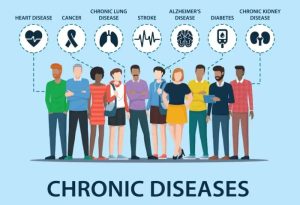
A balanced diet plays a key role in preventing chronic diseases such as heart disease, diabetes, and certain types of cancer. By consuming a variety of nutrient-rich foods, you can help lower cholesterol levels, regulate blood sugar, and reduce inflammation in the body.
This, in turn, lowers the risk of developing these serious health conditions.
Mental Wellness
Maintaining mental wellness is a crucial aspect of daily self-care routines. Our emotional well-being significantly impacts our overall health and quality of life. It is essential to prioritize strategies that help us achieve emotional balance and cultivate a positive mindset.
Strategies for Emotional Balance and Positive Mindset
- Practice mindfulness and meditation to stay present and reduce stress.
- Engage in activities that bring you joy and relaxation, such as hobbies or spending time in nature.
- Connect with supportive friends and family members to foster a sense of belonging.
- Set boundaries to protect your mental and emotional energy.
- Acknowledge and accept your feelings without judgment.
- Seek professional help if needed, such as therapy or counseling.
Connection Between Mental Wellness and Overall Health
Mental wellness is closely linked to overall health, as our thoughts and emotions can impact our physical well-being. Chronic stress, anxiety, and negative thought patterns can lead to a range of health issues, including cardiovascular problems, weakened immune system, and digestive disorders.
Prioritizing mental wellness through self-care practices can help improve our quality of life and reduce the risk of developing serious health conditions.
Physical Fitness: How To Practice Self-care On A Daily Basis
Regular physical fitness plays a crucial role in self-care practices as it not only improves physical health but also enhances mental well-being. Engaging in daily exercises helps in reducing stress, boosting energy levels, and improving overall quality of life.
Daily Exercises for Physical Well-being
- Cardiovascular exercises such as brisk walking, jogging, cycling, or swimming help in improving heart health and increasing stamina.
- Strength training exercises like weightlifting or bodyweight workouts help in building muscle mass, improving metabolism, and enhancing bone density.
- Flexibility exercises such as yoga or pilates aid in maintaining joint mobility, reducing the risk of injuries, and promoting relaxation.
Contribution to Cardiovascular Health
Regular exercise is essential for maintaining cardiovascular health as it helps in:
- Improving blood circulation throughout the body.
- Reducing the risk of heart diseases and stroke.
- Lowering blood pressure and cholesterol levels.
Adequate Hydration
Staying hydrated is crucial for self-care as it plays a vital role in maintaining overall health and well-being. Proper hydration supports various bodily functions and can have a significant impact on our daily lives.
Benefits of Adequate Hydration
- Keeps the body temperature regulated
- Helps in digestion and nutrient absorption
- Improves cognitive function and concentration
- Supports joint health and muscle function
- Enhances skin health and appearance
Tips for Ensuring Adequate Hydration
- Carry a reusable water bottle with you wherever you go
- Set reminders or schedule specific times to drink water throughout the day
- Drink water before and after physical activity
- Incorporate hydrating foods like fruits and vegetables into your meals
- Avoid excessive consumption of caffeinated or sugary beverages
Impact of Hydration on Overall Health
Proper hydration not only helps in maintaining physical health but also has a significant impact on mental well-being. Dehydration can lead to fatigue, mood swings, and decreased cognitive function. By staying adequately hydrated, you can boost your energy levels, improve your mood, and enhance your overall quality of life.
Stress Management
Managing stress is a crucial aspect of daily self-care as it directly impacts our overall well-being. High levels of stress can lead to a variety of health issues such as anxiety, depression, and even physical ailments. By incorporating effective stress management techniques into our routine, we can reduce these negative effects and promote better health outcomes.
Techniques for Stress Reduction
- Practice mindfulness and meditation: Taking time to focus on the present moment can help calm the mind and reduce stress levels.
- Engage in physical activity: Exercise is a great way to release built-up tension and improve your mood.
- Establish boundaries: Learn to say no to additional responsibilities or commitments that may cause unnecessary stress.
- Connect with loved ones: Building a support system of friends and family can provide emotional support during challenging times.
- Get quality sleep: Prioritize a good night’s sleep to ensure your body and mind have time to rest and recharge.
Benefits of Effective Stress Management
- Improved immune function: Lower stress levels can boost your immune system, making you less susceptible to illnesses.
- Better mental health: Managing stress can reduce symptoms of anxiety and depression, leading to a more positive outlook on life.
- Reduced risk of chronic diseases: Chronic stress has been linked to conditions such as heart disease and diabetes, so effective stress management can lower this risk.
Quality Sleep
Having quality sleep is a crucial component of a self-care routine as it plays a significant role in overall well-being and health. It is during sleep that our bodies repair and rejuvenate, allowing us to wake up feeling refreshed and ready to take on the day.
Tips for Improving Sleep Hygiene
- Establish a bedtime routine: Consistency is key, so try to go to bed and wake up at the same time every day.
- Create a comfortable sleep environment: Make sure your bedroom is dark, quiet, and cool to promote better sleep.
- Avoid electronics before bed: The blue light emitted by screens can disrupt your body’s natural sleep-wake cycle, so try to limit screen time before bedtime.
- Avoid caffeine and heavy meals close to bedtime: Stimulants like caffeine and large meals can interfere with your ability to fall asleep easily.
- Practice relaxation techniques: Engage in calming activities like reading, meditating, or taking a warm bath before bed to help you unwind and prepare for sleep.
Connection Between Sleep Quality and Overall Well-Being
Quality sleep is closely linked to overall well-being as it affects various aspects of our health, including cognitive function, mood regulation, immune system function, and even weight management. When we consistently get restful sleep, we are better equipped to handle daily challenges, stay focused, and maintain a positive outlook on life.
Healthy Lifestyle
Maintaining a healthy lifestyle is crucial for practicing self-care on a daily basis. It involves making conscious choices and adopting habits that promote overall well-being and longevity.
Habits and Practices
- Eating a balanced diet rich in fruits, vegetables, whole grains, lean proteins, and healthy fats.
- Engaging in regular physical activity such as walking, jogging, yoga, or strength training.
- Limiting the consumption of processed foods, sugary beverages, and excessive amounts of alcohol.
- Practicing mindfulness through meditation, deep breathing exercises, or journaling to reduce stress.
- Building and maintaining strong social connections with friends, family, or support groups.
Long-Term Benefits, How to practice self-care on a daily basis
A healthy lifestyle not only improves your physical health but also has long-term benefits for your mental and emotional well-being. By adopting healthy habits and practices, you can:
- Reduce the risk of chronic diseases such as heart disease, diabetes, and obesity.
- Boost your energy levels and improve overall quality of life.
- Enhance cognitive function and reduce the risk of cognitive decline as you age.
- Promote better sleep quality and overall mental wellness.
- Increase longevity and improve your overall resilience to stress and challenges.
Immune Boost
Boosting the immune system is crucial for overall self-care as it helps the body fight off infections and diseases, keeping you healthy and strong. A strong immune system can also improve your mood, energy levels, and overall quality of life.
Immune-Boosting Foods and Supplements
Eating a diet rich in fruits, vegetables, whole grains, lean proteins, and healthy fats can help boost your immune system. Some examples of immune-boosting foods include:
- Citrus fruits like oranges, lemons, and grapefruits which are high in Vitamin C
- Garlic, known for its immune-boosting properties
- Yogurt and other probiotic-rich foods that support gut health
- Almonds, sunflower seeds, and spinach for Vitamin E
- Green tea, a powerful antioxidant
In addition to a healthy diet, certain supplements like Vitamin D, Vitamin C, Zinc, and probiotics can also help strengthen the immune system.
Importance of a Strong Immune System
A strong immune system not only helps prevent infections and illnesses but also plays a crucial role in overall health. It can reduce inflammation, promote faster healing, and protect against chronic diseases like heart disease, diabetes, and cancer. By boosting your immune system, you are investing in your long-term well-being and quality of life.
Preventive Care
Preventive care plays a crucial role in daily self-care routines as it focuses on taking proactive measures to maintain optimal health and prevent illnesses before they occur. By incorporating preventive care into your routine, you can significantly reduce the risk of developing chronic conditions and improve your overall well-being.
Importance of Preventive Care
Preventive care measures are essential for maintaining optimal health and well-being. By focusing on prevention rather than treatment, individuals can take control of their health and reduce the burden of preventable diseases.
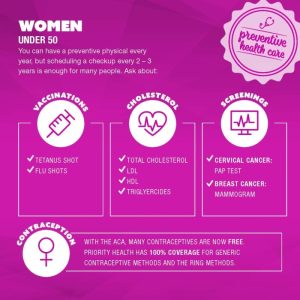
- Regular health screenings and check-ups can help detect potential health issues early on, allowing for timely intervention and treatment.
- Immunizations and vaccinations are crucial in preventing infectious diseases and protecting both individuals and communities.
- Healthy lifestyle choices, such as maintaining a balanced diet, regular exercise, and adequate sleep, can significantly reduce the risk of developing chronic conditions like heart disease, diabetes, and obesity.
- Managing stress and practicing mindfulness can improve mental health and reduce the risk of anxiety and depression.
Benefits of Proactive Health Management
Engaging in proactive health management through preventive care offers numerous benefits that can positively impact your overall well-being.
- Preventive care can lead to early detection and treatment of health issues, increasing the chances of successful outcomes and recovery.
- By focusing on prevention, individuals can reduce healthcare costs associated with treating advanced or chronic conditions that could have been prevented.
- Regular check-ups and screenings can help individuals stay informed about their health status and make informed decisions about their lifestyle and healthcare choices.
- Preventive care empowers individuals to take an active role in their health, promoting a sense of control and well-being.
Daily Activity
Regular physical activity is a crucial aspect of self-care that can significantly impact overall health and well-being. Incorporating daily movement into your routine not only improves physical fitness but also boosts mental wellness and helps manage stress levels effectively.
Simple Activities to Stay Active
- Take a brisk walk during your lunch break or after dinner.
- Do bodyweight exercises like squats, lunges, and push-ups at home.
- Take the stairs instead of the elevator whenever possible.
- Dance to your favorite music while doing household chores.
- Practice yoga or stretching exercises to improve flexibility and relaxation.
Impact of Daily Movement
Regular physical activity has numerous benefits for overall health and well-being. It helps improve cardiovascular health, strengthen muscles, and enhance flexibility. Daily movement also promotes better mood, reduces the risk of chronic diseases, and increases energy levels. By staying active each day, you can experience improved focus, better sleep quality, and a greater sense of overall vitality.
Concluding Remarks
In conclusion, mastering the art of daily self-care is not just a routine but a lifestyle choice that has the potential to transform your overall well-being. By incorporating these practices into your daily life, you are investing in a healthier and happier future.
FAQ
How can I make time for self-care in a busy schedule?
Try incorporating small self-care activities into your daily routine, such as mindful breathing exercises or a quick walk during lunch break.
Is self-care just about physical health?
No, self-care encompasses mental, emotional, and physical well-being. It’s about taking care of your overall health.
Can self-care practices help with stress management?
Absolutely. Self-care activities like meditation, yoga, or spending time in nature can be effective in reducing stress levels.