Delving into How to involve family members in daily physical activities, this introduction immerses readers in a unique and compelling narrative. Encouraging family members to engage in daily physical activities not only promotes better health but also strengthens the bond among family members.
From fun exercise ideas to the benefits of staying active together, this guide explores various ways to make physical activities an enjoyable and integral part of family life.
Involving Family Members in Physical Activities
Encouraging family members to engage in daily physical activities can be a fun and rewarding experience for everyone involved. Not only does it promote overall health and well-being, but it also strengthens bonds and creates lasting memories. Here are some tips to help you get your family moving and active together:
Tips to Encourage Participation
- Lead by Example: Show your family members that physical activity is important to you by being active yourself. Whether it’s going for a walk, bike ride, or playing sports, let your actions inspire them to join in.
- Make it Fun: Choose activities that are enjoyable for everyone. Consider trying out new sports or games, going for nature hikes, or having dance parties in the living room. The key is to keep it engaging and exciting.
- Set Realistic Goals: Start small and gradually increase the intensity and duration of the activities. Celebrate achievements together and provide positive reinforcement to keep everyone motivated.
- Include Variety: Keep things interesting by mixing up the types of activities you do. Rotate between cardio, strength training, flexibility exercises, and outdoor adventures to cater to different interests and fitness levels.
Benefits of Family Physical Activities
- Improved Health: Regular physical activity can help prevent chronic diseases, boost immunity, and enhance overall well-being for every family member.
- Bonding Time: Engaging in activities together fosters stronger relationships, builds trust, and creates lasting memories that strengthen the family unit.
- Emotional Support: Physical activities provide a platform for open communication, stress relief, and emotional connection, promoting a positive family dynamic.
- Healthy Habits: By instilling a love for physical activity from a young age, you are setting the foundation for lifelong habits that promote health and happiness.
Balanced Diet
Ensuring a balanced diet is essential for maintaining overall health and well-being, especially when engaging in daily physical activities as a family.
Importance of Nutrient-Rich Foods
Consuming a variety of nutrient-rich foods provides the necessary energy and nutrients to fuel an active lifestyle, support muscle recovery, and boost overall health.
- Fruits and vegetables: Rich in vitamins, minerals, and antioxidants, these foods help strengthen the immune system and promote optimal functioning of the body.
- Whole grains: Provide sustained energy levels and fiber for improved digestion, crucial for active individuals.
- Lean proteins: Essential for muscle repair and growth, ensuring strength and endurance during physical activities.
- Dairy or dairy alternatives: Good sources of calcium and vitamin D for strong bones and teeth, vital for physical fitness.
Tips for Planning Balanced Meals
When preparing meals for the family, consider the following tips to ensure a balanced diet:
- Include a variety of food groups in each meal to ensure a mix of nutrients.
- Plan meals in advance to avoid relying on convenience foods that may be high in unhealthy fats and sugars.
- Get the family involved in meal preparation to promote healthy eating habits and bonding time.
- Opt for whole, unprocessed foods whenever possible to maximize nutrient intake and minimize additives.
Mental Wellness
Physical activity plays a crucial role in promoting mental wellness. Engaging in regular exercise can help reduce symptoms of anxiety and depression, improve mood, and enhance overall mental well-being. It is important to understand the relationship between physical activity and mental health to encourage the incorporation of daily exercise routines.
Incorporating Mindfulness Practices
- Start the day with a few minutes of mindfulness meditation to set a positive tone for the day.
- Practice deep breathing exercises throughout the day to stay grounded and reduce stress.
- Engage in activities like yoga or tai chi to promote mindfulness and relaxation.
Improving Mood and Reducing Stress
- Regular physical activity releases endorphins, also known as “feel-good” hormones, which can improve mood and decrease feelings of stress.
- Schedule family walks or hikes in nature to enjoy the benefits of both exercise and the calming effects of being outdoors.
- Encourage family members to participate in team sports or group fitness classes to boost mood through social interaction and physical activity.
Adequate Hydration
Staying hydrated is crucial, especially during physical activities, as it helps regulate body temperature, transport nutrients, and remove waste. Dehydration can lead to fatigue, muscle cramps, dizziness, and even more serious health issues.
Importance of Hydration
- Drink water before, during, and after physical activities to maintain fluid balance and prevent dehydration.
- Encourage family members to carry a reusable water bottle and take regular sips throughout the day.
- Include hydrating foods such as fruits and vegetables in meals and snacks to boost water intake.
Benefits of Hydration
- Improves physical performance and endurance by keeping muscles and joints lubricated.
- Supports digestion and nutrient absorption for overall health and well-being.
- Enhances cognitive function and concentration, aiding in mental wellness and focus.
Regular Exercise
Regular exercise is crucial for maintaining good health and overall well-being. It not only helps in managing weight but also reduces the risk of chronic diseases such as heart disease, diabetes, and certain types of cancer. Involving family members in regular exercise routines can create a bonding experience while promoting a healthy lifestyle for everyone.
Importance of Consistent Exercise Routines
- Improves cardiovascular health and reduces the risk of heart disease.
- Enhances mood and mental well-being by releasing endorphins.
- Increases strength, flexibility, and endurance, leading to better overall physical fitness.
Fun and Engaging Exercises for Families
- Family walks or bike rides in the neighborhood or local park.
- Dance parties in the living room with upbeat music.
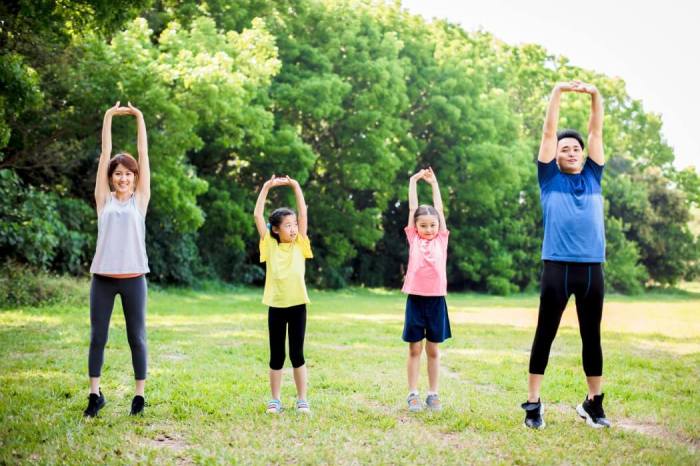
- Yoga or stretching sessions together to promote relaxation and flexibility.
- Outdoor games like tag, soccer, or Frisbee to keep everyone active and entertained.
Long-Term Benefits of Regular Exercise
- Helps in maintaining a healthy weight and reducing the risk of obesity.
- Improves sleep quality, leading to better rest and overall health.
- Boosts immune function, reducing the likelihood of getting sick.
- Enhances cognitive function and brain health, especially in older family members.
Healthy Lifestyle
Living a healthy lifestyle goes beyond just physical activity. It involves a combination of various factors that contribute to overall well-being.
Components of a Healthy Lifestyle, How to involve family members in daily physical activities
- Balanced Diet: Eating a variety of nutrient-rich foods to fuel your body and provide essential vitamins and minerals.
- Mental Wellness: Taking care of your mental health through stress management, mindfulness, and seeking support when needed.
- Adequate Hydration: Drinking enough water throughout the day to maintain proper bodily functions and stay hydrated.
- Regular Exercise: Engaging in physical activities that promote cardiovascular health, strength, and flexibility.
Creating a Supportive Environment at Home
It’s important to establish a supportive environment at home to foster healthy habits among family members.
- Lead by Example: Be a role model by practicing healthy habits yourself.
- Encourage Open Communication: Create a safe space for family members to discuss their health goals and challenges.
- Make Healthy Choices Accessible: Keep nutritious snacks readily available and plan fun physical activities together.
Importance of Balance in Work, Play, and Rest
Balance is key to maintaining overall well-being, as it ensures that different aspects of your life are in harmony.
- Work: Dedicate time to your professional responsibilities while also prioritizing self-care and personal time.
- Play: Engage in activities that bring you joy and allow you to unwind and relax.
- Rest: Ensure you get enough quality sleep to recharge your body and mind for the next day.
Preventive Care
Preventive care plays a crucial role in maintaining good health for the entire family. By taking proactive measures to prevent illnesses and detect health issues early, you can significantly improve overall well-being.
Regular Check-ups and Screenings
Scheduling regular check-ups with healthcare providers and undergoing recommended screenings are essential steps in preventive care. These appointments can help in early detection of any potential health concerns, allowing for timely intervention and treatment.
- Visit the doctor for annual check-ups to monitor overall health and address any developing issues.
- Follow screening guidelines for various conditions such as cancer, diabetes, and heart disease based on age and risk factors.
- Keep track of family medical history to inform healthcare providers and tailor preventive care measures accordingly.
Vaccination and Immunization
Vaccination and immunization are vital components of preventive care, helping to protect individuals from serious diseases and outbreaks.
- Adhere to the recommended vaccination schedule for children and adults to build immunity against common illnesses.
- Stay informed about new vaccines and updates to existing immunization guidelines to ensure comprehensive protection.
- Consult healthcare professionals to address any concerns or questions regarding vaccines and their benefits.
Quality Sleep
Quality sleep is crucial for maintaining both physical and mental health. It plays a vital role in overall well-being and impacts various aspects of our daily lives. Establishing healthy sleep habits for the entire family is essential to ensure everyone gets the rest they need to function optimally.
Importance of Quality Sleep
Quality sleep is essential for the body to repair and rejuvenate itself. It helps in regulating hormones, improving cognitive function, and boosting immunity. Adequate sleep also plays a key role in managing stress and promoting emotional well-being.
Tips for Healthy Sleep Habits
- Establish a consistent sleep schedule for the entire family, going to bed and waking up at the same time each day.
- Create a relaxing bedtime routine to signal to your body that it’s time to wind down, such as reading a book or taking a warm bath.
- Ensure the sleep environment is conducive to rest, with a comfortable mattress, pillows, and a cool, dark room.
- Avoid electronic devices before bedtime, as the blue light can disrupt the production of melatonin, a hormone that regulates sleep.
- Avoid caffeine and heavy meals close to bedtime, as they can interfere with sleep quality.
Impact on Overall Well-being and Performance
Adequate sleep is directly linked to improved concentration, memory, and decision-making skills. It also enhances physical performance, recovery, and muscle repair. Lack of quality sleep, on the other hand, can lead to mood swings, irritability, and decreased productivity.
Cardio Health
Regular cardiovascular exercises play a crucial role in maintaining good heart health. These exercises help improve blood circulation, strengthen the heart muscle, and reduce the risk of heart disease.
Benefits of Cardiovascular Exercises
- Improves heart health by increasing heart rate and strengthening the heart muscle.
- Enhances overall cardiovascular fitness and endurance.
- Helps in reducing high blood pressure and cholesterol levels.
- Aids in weight management and promotes a healthy metabolism.
- Boosts mood and reduces stress levels through the release of endorphins.
Examples of Cardio Exercises for Families
- Brisk walking or hiking in the neighborhood or at a nearby park.
- Biking together on weekends or after dinner.
- Dancing to favorite music in the living room.
- Playing sports like soccer, basketball, or tennis in the backyard or at a local sports facility.
- Swimming at a community pool or beach.
Importance of Regular Physical Activities for Heart Health
Regular physical activities, including cardiovascular exercises, are essential for maintaining good heart health. By engaging in these activities as a family, you not only promote a healthy lifestyle but also strengthen family bonds through shared experiences and quality time spent together.
Immune Boost: How To Involve Family Members In Daily Physical Activities
Regular physical activities play a crucial role in boosting the immune system. Engaging in exercise helps improve circulation, reduce inflammation, and enhance the function of immune cells, making the body better equipped to fight off infections and illnesses.
Incorporating Immune-Boosting Foods
It is essential to incorporate immune-boosting foods into the family diet to support overall health and well-being. Consider adding the following foods rich in vitamins, minerals, and antioxidants:
- Fruits like oranges, berries, and kiwi
- Vegetables such as spinach, broccoli, and bell peppers
- Protein sources like fish, poultry, and legumes
- Healthy fats from nuts, seeds, and avocados
Link Between Physical Fitness and Immune Health
Regular physical activity not only strengthens the body but also improves immune health. Exercise helps reduce stress levels, promote better sleep, and enhance overall well-being, all of which contribute to a stronger immune system. Maintaining a healthy lifestyle that includes regular exercise can significantly boost the body’s ability to ward off infections and diseases.
Positive Mindset
Maintaining a positive mindset plays a crucial role in promoting overall health and well-being. It can help reduce stress, improve mental clarity, and boost resilience in facing life’s challenges.
Impact on Health
- Positive thinking has been linked to lower levels of depression, increased lifespan, and better coping mechanisms during difficult times.
- Individuals with a positive outlook tend to engage in healthier lifestyle choices, such as regular exercise and balanced nutrition.
- Optimism can enhance the immune system, leading to a stronger defense against illnesses and diseases.
Strategies for Fostering Positivity
- Encourage open communication within the family to express feelings and concerns effectively.
- Practice gratitude by acknowledging and appreciating the good things in life on a daily basis.
- Engage in activities that bring joy and laughter, promoting a sense of happiness and well-being.
Physical Activities and Positive Outlook
- Exercise releases endorphins, also known as “feel-good” hormones, which can elevate mood and reduce feelings of anxiety or sadness.
- Regular physical activity can increase self-confidence and provide a sense of accomplishment, contributing to a positive self-image.
- Being active as a family fosters bonding and creates shared experiences that promote emotional connections and positivity.
Clean Eating
When it comes to clean eating, the focus is on consuming whole, unprocessed foods that are nutritious and beneficial for overall health. This approach eliminates or minimizes the intake of processed and refined foods, which are often high in added sugars, unhealthy fats, and artificial ingredients.
Benefits of Clean Eating
- Improved nutrient intake: Whole foods are rich in essential vitamins, minerals, and antioxidants that support optimal health and well-being.
- Weight management: Clean eating can help with weight loss or maintenance by promoting the consumption of nutrient-dense foods that are lower in calories.
- Enhanced energy levels: Nutrient-rich foods can provide sustained energy throughout the day, reducing the likelihood of energy crashes.
- Reduced risk of chronic diseases: A diet focused on whole foods may lower the risk of conditions like heart disease, diabetes, and certain types of cancer.
Examples of Whole, Unprocessed Foods
- Fresh fruits and vegetables
- Whole grains like quinoa, brown rice, and oats
- Lean proteins such as poultry, fish, tofu, and legumes
- Healthy fats like avocados, nuts, and seeds
- Dairy products like Greek yogurt and cottage cheese
Transitioning to a Clean Eating Lifestyle
Transitioning the family to a clean eating lifestyle can be a gradual process. Start by incorporating more whole foods into meals and reducing the consumption of processed snacks and sugary beverages. Here are some tips to help make the transition smoother:
- Plan meals ahead of time to ensure a balance of nutrients and variety.
- Involve the family in meal preparation and grocery shopping to increase buy-in and awareness of food choices.
- Gradually replace processed foods with whole food alternatives to allow taste buds to adjust.
- Encourage mindful eating practices, such as paying attention to hunger cues and savoring each bite.
- Stay hydrated with water and limit the intake of sugary drinks.
Daily Activity
Physical activity plays a crucial role in maintaining overall health and well-being for individuals of all ages. When it comes to involving family members in daily physical activities, the benefits extend beyond just physical health. It promotes bonding, communication, and creates lasting memories.
Importance of Daily Physical Activities
- Improves cardiovascular health and reduces the risk of chronic diseases.
- Boosts mood and mental well-being by releasing endorphins.
- Strengthens muscles and bones, promoting better posture and balance.
Simple Daily Activities for Families
- Going for a family walk or bike ride in the neighborhood.
- Having a dance party in the living room to favorite songs.
- Playing outdoor games like tag, soccer, or frisbee in the backyard.
Benefits of Daily Activity
- Enhances quality of sleep and promotes better sleep patterns.
- Helps in weight management and maintaining a healthy body composition.
- Increases energy levels and productivity throughout the day.
Holistic Health
Holistic health is a comprehensive approach to well-being that considers the entire person – body, mind, and spirit. It focuses on achieving balance and harmony in all aspects of life to promote overall health and wellness.
Physical Activities and Holistic Health
Physical activities play a crucial role in promoting holistic health by improving physical fitness, boosting mental well-being, and enhancing emotional stability. Regular exercise can help reduce stress, increase energy levels, and improve overall quality of life.
- Engage in a variety of physical activities such as walking, running, cycling, or swimming to keep your body active and fit.
- Practice mindfulness and meditation to enhance mental clarity and emotional resilience.
- Participate in group activities or team sports to foster social connections and emotional well-being.
- Ensure adequate rest and recovery time to allow your body to recharge and rejuvenate.
Integrating Physical, Mental, and Emotional Health Practices
Integrating physical, mental, and emotional health practices into your daily life can help create a holistic approach to well-being. By addressing all aspects of health, you can achieve a greater sense of balance and fulfillment.
- Establish a regular exercise routine that includes cardiovascular, strength training, and flexibility exercises.
- Practice stress-relief techniques such as deep breathing, yoga, or tai chi to enhance mental and emotional well-being.
- Cultivate positive relationships and social connections to support your emotional health and overall happiness.
- Eat a balanced diet rich in nutrients to fuel your body and mind for optimal health and performance.
Health Education
Health education plays a vital role in promoting overall well-being by providing individuals with the knowledge and skills needed to make informed decisions about their health. When it comes to involving family members in daily physical activities, a good understanding of health-related topics such as nutrition, fitness, and mental wellness can lead to healthier lifestyle choices and habits.
The Importance of Health Education
Health education equips individuals with the necessary information to make healthy choices regarding their diet, exercise routine, and mental well-being. By educating family members about the importance of maintaining a balanced diet, engaging in regular physical activity, and taking care of their mental health, they are more likely to adopt healthier lifestyle practices.
Resources for Learning
- Online platforms: Websites such as the National Institutes of Health (NIH) and the Centers for Disease Control and Prevention (CDC) offer valuable resources on nutrition, fitness, and overall health.
- Health apps: Mobile applications like MyFitnessPal and Fitbit provide tools for tracking diet, exercise, and mental wellness.
- Community programs: Local health centers and community organizations often host workshops and events focused on health education.
Benefits of Educating Family Members
- Empowerment: Health education empowers individuals to take control of their well-being and make informed decisions.
- Preventative measures: By understanding the importance of preventive care and healthy lifestyle choices, family members can reduce their risk of chronic diseases.
- Improved quality of life: Educating family members about health can lead to improved physical health, mental well-being, and overall quality of life.
Self-Care
Self-care practices play a crucial role in maintaining overall health and well-being. It involves taking intentional actions to care for oneself physically, mentally, and emotionally, leading to a healthier and more balanced lifestyle.
Significance of Self-Care
Self-care is essential for managing stress, improving mental health, boosting immunity, and enhancing quality of life. By prioritizing self-care, each family member can better cope with daily challenges, reduce the risk of burnout, and increase resilience.
Tips for Prioritizing Self-Care
- Set aside dedicated time each day for self-care activities, such as meditation, exercise, or hobbies.
- Establish healthy boundaries to protect personal time and avoid overcommitting.
- Practice self-compassion and treat oneself with kindness and understanding.
- Prioritize sleep and ensure adequate rest for physical and mental rejuvenation.
- Engage in activities that bring joy and relaxation, such as spending time outdoors or connecting with loved ones.
Benefits of Self-Care Routines
Consistent self-care routines can lead to improved mood, increased productivity, better focus, and enhanced self-esteem. By taking care of oneself, individuals can better support their overall health and contribute positively to their relationships and daily activities.
Chronic Disease
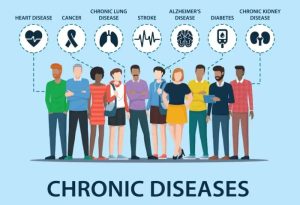
Chronic diseases are long-lasting conditions that often require ongoing management and treatment. Engaging in regular physical activities can play a crucial role in preventing the development of chronic diseases.
Role of Physical Activities in Preventing Chronic Diseases
- Regular exercise helps to maintain a healthy weight, which is essential in reducing the risk of developing conditions like diabetes, heart disease, and certain types of cancer.
- Physical activities improve cardiovascular health, strengthen muscles, and boost the immune system, all of which contribute to overall well-being and lower the likelihood of chronic illnesses.
- Exercise also helps to regulate blood pressure, cholesterol levels, and blood sugar, key factors in preventing conditions such as hypertension and diabetes.
Tips to Reduce the Risk of Developing Chronic Conditions
- Follow a balanced diet rich in fruits, vegetables, whole grains, and lean proteins to provide essential nutrients for optimal health.
- Avoid smoking and limit alcohol consumption, as these habits can increase the risk of various chronic diseases.
- Manage stress through relaxation techniques, mindfulness practices, and adequate sleep to promote mental wellness and reduce the impact of stress-related conditions.
Importance of Early Detection and Management of Chronic Diseases for the Family
- Regular health screenings and check-ups can help identify potential health issues early, allowing for timely intervention and treatment.
- Educate family members about the warning signs of common chronic diseases and encourage them to seek medical attention if symptoms arise.
- By promoting a healthy lifestyle and proactive approach to healthcare, families can work together to prevent and manage chronic conditions effectively.
Last Recap
In conclusion, involving family members in daily physical activities is a rewarding journey that benefits everyone’s health and relationships. By embracing a lifestyle that prioritizes physical well-being and quality time spent together, families can create lasting memories and build a stronger foundation for overall wellness.
Start today and watch as your family grows healthier and happier together.
General Inquiries
How can I motivate my family to participate in daily physical activities?
To motivate your family, try incorporating activities that everyone enjoys, setting achievable goals, and offering rewards for participation.
What are some creative ideas for making physical activities enjoyable for the whole family?
Consider organizing family sports tournaments, going on nature hikes, or trying out dance or yoga sessions together.
Why is involving family members in physical activities important for overall health?
Involving family members in physical activities promotes better cardiovascular health, mental well-being, and strengthens family bonds.
How can I ensure my family stays hydrated during physical activities?
Encourage everyone to carry water bottles, set hydration reminders, and provide hydrating snacks like fruits.
What are some examples of cardio exercises that families can do together?
Family bike rides, swimming sessions, and group dance workouts are great examples of cardio exercises for families.