Benefits of cycling for cardiovascular fitness are numerous and impactful. From enhancing heart health to improving overall well-being, cycling offers a holistic approach to fitness that is both effective and enjoyable.
In the following sections, we will delve into the specific advantages of cycling for cardiovascular fitness and explore how this activity can significantly benefit your health.
Benefits of Cycling for Cardiovascular Fitness
Cycling is an excellent form of exercise that offers numerous benefits for cardiovascular health. Regular cycling can significantly improve your overall cardiovascular fitness, leading to a healthier heart and a reduced risk of developing heart-related conditions.
Improved Blood Circulation
Cycling helps to increase blood circulation throughout the body, delivering essential nutrients and oxygen to various organs, including the heart. This improved circulation can enhance heart function and reduce the risk of heart disease.
Reduced Risk of Heart Disease
Regular cycling can lower blood pressure, reduce LDL cholesterol levels, and increase HDL cholesterol levels, all of which contribute to a reduced risk of heart disease. By strengthening the heart muscle and improving its efficiency, cycling can help prevent cardiovascular issues.
Enhanced Endurance and Stamina
Engaging in cycling regularly can boost your endurance and stamina levels, allowing you to engage in physical activities for longer periods without experiencing fatigue. This increased cardiovascular fitness can have a positive impact on your overall health and well-being.
Balanced Diet
Having a balanced diet is crucial for cyclists as it provides the necessary nutrients to support overall health and performance. A well-rounded diet can help improve cardiovascular health, enhance endurance, and aid in muscle recovery.
Nutrient-Rich Foods for Cardiovascular Health
A balanced diet for cyclists should include nutrient-rich foods that support cardiovascular health. Some examples of these foods include:
- Leafy green vegetables like spinach and kale, rich in vitamins and minerals that promote heart health.
- Fatty fish such as salmon and mackerel, high in omega-3 fatty acids that reduce inflammation and support heart function.
- Whole grains like quinoa and brown rice, providing fiber and complex carbohydrates for sustained energy levels during cycling.
- Fruits like berries, oranges, and apples, packed with antioxidants that protect the heart from damage.
- Nuts and seeds such as almonds and chia seeds, offering healthy fats and protein for muscle repair and maintenance.
Importance of a Balanced Diet for Cycling
A balanced diet complements cycling for optimal cardiovascular fitness by providing the necessary nutrients to fuel workouts and aid in recovery. Carbohydrates are essential for energy production during long rides, while protein supports muscle repair and growth. Healthy fats help reduce inflammation and support heart health, contributing to overall cardiovascular fitness.
By maintaining a balanced diet, cyclists can improve their performance, endurance, and recovery, leading to better cardiovascular outcomes.
Mental Wellness
Cycling not only benefits your physical health but also plays a crucial role in promoting mental well-being. The connection between cycling and mental wellness is significant, as it can contribute to a positive mindset and overall sense of well-being.
Stress Reduction and Mood Enhancement
Cycling is known to reduce stress levels and improve mood due to the release of endorphins, also known as “feel-good” hormones. Regular cycling can help combat anxiety, depression, and other mental health issues by promoting relaxation and boosting self-esteem.
- Cycling helps in reducing cortisol levels, the hormone associated with stress, thus leading to a calmer state of mind.
- The physical activity involved in cycling can distract the mind from negative thoughts and promote a sense of accomplishment and satisfaction.
- Regular cycling can improve sleep quality, which is essential for maintaining mental well-being.
Enhanced Cognitive Function
Engaging in cycling can also enhance cognitive function and improve concentration and memory. The increased blood flow to the brain during physical activity helps in the growth of new brain cells and improves overall brain health.
- Cycling stimulates the production of proteins that support brain cell growth and repair, enhancing cognitive abilities.
- Regular cycling can help in reducing the risk of cognitive decline and improve overall mental agility, particularly in older adults.
- The mental focus required for cycling can also translate into improved focus and productivity in daily tasks.
Emotional Well-being and Social Connection
Cycling can provide a sense of freedom and empowerment, boosting emotional well-being and self-confidence. Additionally, cycling in groups or with friends can enhance social connections and create a sense of community and support.
- The sense of achievement from overcoming cycling challenges can boost self-esteem and confidence levels.
- Cycling with others can foster friendships and create a support system, reducing feelings of isolation and loneliness.
- The outdoor nature of cycling allows for exposure to natural environments, which has been linked to improved mood and mental health.
Physical Fitness
Cycling is an excellent way to enhance physical fitness due to its numerous benefits on the body.
Impact on Muscle Strength and Endurance
Cycling not only helps in improving cardiovascular fitness but also plays a significant role in enhancing muscle strength and endurance. The repetitive motion of pedaling engages various muscle groups such as the quadriceps, hamstrings, calves, and glutes. Over time, this leads to increased muscle strength and endurance, making everyday activities easier to perform.
Overall Physical Health Improvement
Cycling is a low-impact exercise that is gentle on the joints, making it suitable for individuals of all ages. It helps in burning calories, which can aid in weight management and reducing the risk of chronic diseases like obesity, diabetes, and heart conditions.
Additionally, cycling outdoors exposes individuals to fresh air and sunlight, promoting overall well-being and mental health. Regular cycling also helps in improving posture, coordination, and balance, contributing to better overall physical health.
Adequate Hydration
Staying hydrated is crucial when it comes to cycling for cardiovascular fitness. Proper hydration not only helps in maintaining overall health but also plays a significant role in enhancing your performance during cycling sessions.
Importance of Hydration for Cardiovascular Performance
Hydration directly impacts cardiovascular performance during cycling by regulating body temperature, maintaining blood volume, and ensuring proper muscle function. Dehydration can lead to reduced blood flow to the muscles, decreased oxygen delivery, and increased heart rate, all of which can hinder your cycling performance and overall cardiovascular fitness.
Tips for Maintaining Adequate Hydration Levels
- Drink water before, during, and after your cycling sessions to replenish fluid loss through sweat.
- Monitor your urine color – clear or pale yellow urine indicates proper hydration.
- Carry a water bottle with you and sip regularly to stay hydrated throughout your ride.
- Avoid excessive caffeine and alcohol consumption, as they can contribute to dehydration.
- Include hydrating foods in your diet, such as fruits and vegetables with high water content.
Regular Exercise
Regular exercise plays a crucial role in maintaining cardiovascular health, and cycling is an excellent way to achieve this. Whether it’s biking outdoors or using a stationary bike indoors, cycling helps strengthen the heart and improve overall cardiovascular fitness.
Benefits of Regular Cycling
- Cycling is a low-impact exercise that is gentle on the joints, making it suitable for individuals of all fitness levels.
- Regular cycling can help lower blood pressure, reduce bad cholesterol levels, and increase good cholesterol levels, thereby reducing the risk of heart disease.
- It improves circulation, helping to deliver oxygen and nutrients to the body’s tissues more efficiently.
Comparison with Other Forms of Exercise
- Cycling is a great aerobic exercise that can be as effective as running or swimming in improving cardiovascular health.
- Compared to high-impact exercises like running, cycling puts less stress on the joints while still providing a challenging workout for the heart.
- Unlike some forms of exercise that may require special skills or equipment, cycling is accessible to most people and can be easily incorporated into daily routines.
Guidelines for Incorporating Regular Cycling
- Start with shorter rides and gradually increase the duration and intensity as your fitness level improves.
- Set specific goals for your cycling routine, whether it’s increasing mileage, improving speed, or tackling more challenging terrains.
- Combine cycling with other forms of exercise, such as strength training or flexibility exercises, to create a well-rounded fitness routine.
Healthy Lifestyle
Cycling plays a significant role in promoting a healthy lifestyle by incorporating physical activity into daily routines, which can have a profound impact on overall well-being.
Weight Management
- Cycling helps in burning calories, which is essential for weight management.
- Regular cycling can contribute to maintaining a healthy weight and reducing the risk of obesity-related diseases.
Mood Enhancement
- Engaging in cycling releases endorphins, also known as “feel-good” hormones, which can improve mood and reduce stress levels.
- Regular cycling can enhance mental well-being and promote a positive outlook on life.
Environmental Benefits
- Choosing cycling as a mode of transportation reduces carbon emissions and helps in preserving the environment.
- By opting for cycling over driving, individuals can contribute to a cleaner and healthier planet.
Nutrient-Rich
Nutrient-rich foods play a crucial role in supporting the cardiovascular health of cyclists. These foods provide essential vitamins, minerals, antioxidants, and other nutrients that help maintain overall well-being and enhance performance on the bike.
Importance of Nutrient-Rich Foods
Eating a diet rich in nutrients is essential for cyclists as it helps in repairing muscle tissues, boosting energy levels, and supporting the immune system. Nutrient-rich foods also aid in faster recovery after intense workouts, which is crucial for cyclists looking to improve their cardiovascular fitness.
Examples of Nutrient-Rich Foods for Cyclists
- Fruits and vegetables: These are packed with vitamins, minerals, and antioxidants that help reduce inflammation and improve overall health.
- Whole grains: Foods like brown rice, quinoa, and oats provide complex carbohydrates for sustained energy levels during long rides.
- Lean proteins: Sources like chicken, fish, tofu, and legumes are essential for muscle repair and recovery.
- Healthy fats: Foods like avocados, nuts, and seeds provide essential fatty acids that support heart health and reduce inflammation.
- Dairy or dairy alternatives: These are important for bone health and provide calcium and vitamin D for overall wellness.
Stress Management
Cycling is not only beneficial for physical health but also plays a significant role in managing stress levels. The combination of physical activity, fresh air, and the sense of freedom while cycling can have a positive impact on reducing stress and improving overall mental well-being.
How Cycling Helps in Stress Management
- Cycling is a form of aerobic exercise that helps release endorphins, also known as “feel-good” hormones, which can help reduce stress and anxiety.
- The rhythmic motion of pedaling can have a calming effect on the mind, allowing cyclists to focus on the present moment and clear their thoughts.
- Being outdoors and connecting with nature while cycling can improve mood and reduce feelings of tension and overwhelm.
Relationship Between Cycling and Reducing Stress Levels
- Regular cycling can help lower cortisol levels, the stress hormone, in the body, leading to a more relaxed state of mind.
- Cycling can provide a sense of accomplishment and empowerment, boosting confidence and resilience in dealing with stressors.
- Engaging in physical activity like cycling can distract from negative thoughts and worries, promoting a more positive outlook on life.
Tips on Using Cycling as a Stress-Relief Activity
- Set aside time in your schedule for regular cycling sessions to reap the stress-relieving benefits consistently.
- Experiment with different cycling routes to keep the activity engaging and enjoyable, exploring new sceneries and environments.
- Practice deep breathing techniques while cycling to enhance relaxation and mindfulness, focusing on your breath and letting go of stress.
- Combine cycling with other stress-relief activities like listening to music, mindfulness meditation, or yoga to enhance the overall calming effect.
Preventive Care
Cycling plays a crucial role in preventive care for cardiovascular diseases by promoting overall heart health and reducing the risk of heart-related conditions.
Contribution to Preventive Care
- Regular cycling helps improve cardiovascular fitness, strengthen the heart muscle, and enhance blood circulation throughout the body.
- It can lower blood pressure, reduce bad cholesterol levels, and increase good cholesterol levels, thus decreasing the chances of developing heart diseases.
- Cycling also helps in maintaining a healthy weight, which is essential for preventing obesity-related heart issues.
Proper Nutrition
Proper nutrition plays a crucial role in supporting the overall health and performance of cyclists, especially when it comes to cardiovascular fitness. By fueling the body with the right nutrients, cyclists can optimize their energy levels, recovery, and endurance.
Importance of Proper Nutrition for Cyclists
- Provides essential vitamins and minerals necessary for muscle function and repair.
- Delivers carbohydrates for energy during cycling sessions.
- Supplies protein for muscle growth and recovery after intense workouts.
- Offers healthy fats for sustained energy and overall well-being.
How Proper Nutrition Supports Cardiovascular Fitness
Proper nutrition is vital for cardiovascular fitness as it helps maintain a healthy weight, regulates blood pressure, reduces inflammation, and improves overall heart health. Nutrient-rich foods like fruits, vegetables, whole grains, lean proteins, and healthy fats support optimal cardiovascular function and endurance during cycling.
Guidelines for Maintaining Proper Nutrition While Cycling
- Stay hydrated by drinking plenty of water before, during, and after rides.
- Consume a balanced diet rich in fruits, vegetables, whole grains, lean proteins, and healthy fats.
- Avoid sugary and processed foods that can lead to energy crashes and poor performance.
- Consider consulting a nutritionist to create a personalized meal plan tailored to your cycling goals.
Quality Sleep
Quality sleep plays a crucial role in maintaining cardiovascular health for cyclists. Adequate rest allows the body to recover, repair muscles, and regulate essential functions that impact overall fitness and performance in cycling.
Impact of Sleep on Cardiovascular Health
Consistent and restful sleep is linked to lower blood pressure, reduced inflammation, and better heart health. Lack of sleep can lead to increased heart rate, elevated stress hormones, and a higher risk of cardiovascular diseases.
Influence on Fitness and Performance
Quality sleep directly influences energy levels, focus, and endurance during cycling sessions. Proper rest enhances muscle recovery, promotes optimal performance, and reduces the risk of injuries associated with fatigue.
Tips for Improving Sleep Quality
- Avoid caffeine, heavy meals, and electronic devices before bedtime to promote relaxation.
- Create a consistent sleep schedule and establish a relaxing bedtime routine to signal to your body that it’s time to rest.
- Ensure your sleep environment is dark, quiet, and comfortable to support uninterrupted rest.
- Engage in regular physical activity during the day to promote better sleep quality at night.
- Practice stress-reducing techniques such as meditation or deep breathing exercises to calm the mind before sleep.
Cardio Health
Cycling plays a significant role in improving cardiovascular health by strengthening the heart and enhancing circulation throughout the body. The benefits of cycling for cardiovascular fitness are numerous and impactful.
Relationship between Cycling and Cardiovascular Health
Cycling is a form of aerobic exercise that helps increase the heart rate, promoting better blood flow and oxygen delivery to the muscles. This continuous movement strengthens the heart muscle, making it more efficient in pumping blood. As a result, cycling can lower the risk of heart disease, stroke, and other cardiovascular conditions.
Impact of Cycling on Heart Health and Circulation
- Cycling helps reduce blood pressure and cholesterol levels, improving overall heart health.
- The rhythmic pedaling motion enhances circulation, leading to better nutrient and oxygen supply to the body’s tissues.
- Regular cycling can increase the production of HDL (good) cholesterol, which helps protect against plaque buildup in the arteries.
Examples of How Cycling Improves Cardiovascular Fitness
- Cycling for at least 30 minutes a day can help strengthen the heart muscle and improve its efficiency.
- Long-distance cycling can increase endurance and boost cardiovascular endurance over time.
- Interval training while cycling can enhance cardiovascular fitness by challenging the heart to work harder during intense bursts of activity.
Immune Boost
Cycling can play a significant role in boosting the immune system. Regular physical activity, such as cycling, can help enhance the body’s defenses against infections and illnesses. The connection between cycling and immune function lies in the ability of exercise to promote circulation, reduce inflammation, and support overall health.
Benefits of Cycling for Immune Health
- Increased circulation: Cycling helps improve blood flow, allowing immune cells to move more efficiently throughout the body to detect and fight off infections.
- Reduced inflammation: Regular cycling can help lower levels of inflammation in the body, which is linked to a stronger immune response.
- Stress reduction: Cycling is a great way to manage stress, as high stress levels can weaken the immune system.
- Improved overall health: By engaging in regular physical activity like cycling, you can boost overall health and immunity.
Positive Mindset
Cycling not only benefits physical health but also plays a significant role in fostering a positive mindset. The mental benefits of cycling go beyond just physical exercise, contributing to overall well-being and a positive outlook on life.
Mental Well-Being
- Reduction in stress levels: Cycling helps in reducing stress and anxiety by releasing endorphins, also known as “feel-good” hormones.
- Improved mood: Regular cycling can enhance mood and reduce symptoms of depression, promoting a positive mental state.
- Boost in self-esteem: Achieving cycling goals and milestones can boost self-confidence and self-esteem, leading to a positive self-image.
Clean Eating
Clean eating is a nutritional approach focused on consuming whole, unprocessed foods in their natural state to support overall health and well-being. For cyclists, clean eating plays a crucial role in optimizing performance, enhancing recovery, and improving cardiovascular health.
Benefits of Clean Eating for Cardiovascular Health
Eating clean can benefit cardiovascular health in several ways:
- Reduces the intake of added sugars, unhealthy fats, and processed foods that can contribute to heart disease.
- Provides essential nutrients like antioxidants, fiber, and healthy fats that support heart function and reduce inflammation.
- Helps maintain a healthy weight, which is vital for cardiovascular health and reducing the risk of conditions like high blood pressure and cholesterol.
Examples of Clean Eating Habits for Cyclists, Benefits of cycling for cardiovascular fitness
Here are some examples of clean eating habits that complement cycling for fitness:
- Include a variety of fruits and vegetables in your meals to ensure a good intake of vitamins, minerals, and fiber.
- Opt for lean protein sources such as chicken, fish, tofu, or legumes to support muscle repair and recovery after cycling sessions.
- Choose whole grains like quinoa, brown rice, or oats for sustained energy levels during rides.
- Avoid processed foods high in sodium, sugar, and unhealthy fats, and opt for homemade meals prepared with fresh ingredients.
Daily Activity
Regular physical activity, such as daily cycling, plays a crucial role in maintaining cardiovascular fitness and overall health. By incorporating cycling into your daily routine, you can experience a wide range of benefits that contribute to your well-being.
Importance of Daily Cycling
- Cycling is a low-impact exercise that helps improve cardiovascular health by increasing heart rate and circulation.
- Regular cycling can reduce the risk of heart disease, stroke, and high blood pressure.
- Engaging in daily cycling can boost metabolism, aid in weight management, and improve overall physical fitness levels.
Incorporating Cycling into Daily Routine
- Plan cycling routes that are convenient and safe, either outdoors or on a stationary bike at home or the gym.
- Set achievable goals for daily cycling duration or distance to stay motivated and track progress.
- Integrate cycling into daily errands or commute to work to make it a practical and sustainable habit.
Holistic Health: Benefits Of Cycling For Cardiovascular Fitness
Cycling is not just beneficial for individual aspects of health like cardiovascular fitness or mental wellness; it also contributes to holistic health by addressing the interconnectedness of physical, mental, and emotional well-being.
Interconnectedness of Health
Cycling promotes holistic health by improving physical fitness, which in turn positively impacts mental wellness and emotional stability. The physical exertion involved in cycling releases endorphins, also known as ‘feel-good’ hormones, which help reduce stress and anxiety levels. This connection between physical activity and mental well-being is crucial for maintaining overall health.
- Cycling enhances cardiovascular fitness, leading to better heart health and increased endurance.
- Regular cycling can boost mood and alleviate symptoms of depression and anxiety.
- The sense of accomplishment and empowerment gained from cycling can improve self-esteem and overall emotional well-being.
Mindful Living
Cycling is not just a physical activity; it can also be a mindful practice that promotes overall well-being. Mindful living, in the context of cycling, involves being fully present in the moment, focusing on the sensations of riding, and connecting with the environment around you.
Incorporating Mindfulness into Cycling
- Start by setting an intention before your ride. Whether it’s to clear your mind, boost your mood, or simply enjoy the journey, having a purpose can help you stay focused.
- Practice deep breathing while cycling to stay centered and calm. Pay attention to your breath and synchronize it with your pedaling rhythm.
- Avoid distractions such as checking your phone or listening to loud music. Instead, immerse yourself in the sounds of nature and the feeling of the wind on your face.
- Notice your surroundings as you ride – the colors, smells, and textures. Appreciate the beauty of the outdoors and let it uplift your spirits.
- Use cycling as a form of moving meditation. Allow your thoughts to come and go without judgment, focusing on the present moment and the act of cycling itself.
Emotional Balance
Cycling not only benefits physical health but also plays a crucial role in achieving emotional balance. The act of cycling can have a positive impact on mental well-being, contributing to emotional stability and overall happiness.
Stress Management
Cycling is a great way to manage stress and reduce anxiety levels. The physical activity involved releases endorphins, which are known as the body’s natural stress fighters. This can help individuals feel more relaxed and at ease, leading to emotional balance.
Mood Enhancement
Regular cycling has been linked to improved moods and increased feelings of happiness. The combination of fresh air, physical exertion, and the sense of accomplishment from completing a ride can elevate mood and contribute to emotional well-being.
Self-Esteem Boost
Engaging in cycling can boost self-esteem and self-confidence. Setting and achieving goals, whether it’s completing a challenging route or improving endurance, can lead to a sense of accomplishment and pride. This, in turn, contributes to emotional stability and balance.
Health Education
Health education plays a crucial role in helping cyclists understand the importance of maintaining cardiovascular fitness and overall well-being. By equipping themselves with knowledge about cardiovascular health, cyclists can enhance their performance, prevent injuries, and enjoy the sport to its fullest potential.
The Importance of Health Education for Cyclists
Health education empowers cyclists to make informed decisions about their training routines, nutrition choices, and overall lifestyle habits. By understanding the impact of cardiovascular health on cycling performance, individuals can tailor their workouts, monitor their progress, and take proactive steps to prevent health issues.
Resources for Cyclists to Educate Themselves on Maintaining Cardiovascular Fitness
- Consulting with a sports nutritionist or a certified cycling coach to develop a personalized training plan.
- Reading reputable articles, books, and research studies on cardiovascular health and its connection to cycling performance.
- Attending workshops, seminars, or webinars focused on cardiovascular fitness, endurance training, and injury prevention in cycling.
- Engaging with online communities, forums, and social media groups dedicated to sharing tips, experiences, and best practices for maintaining cardiovascular health as a cyclist.
- Utilizing fitness tracking apps, heart rate monitors, and other technological tools to monitor cardiovascular metrics and progress over time.
Self-Care
Self-care practices play a crucial role in supporting cardiovascular fitness for cyclists. By incorporating self-care routines into their daily lives, cyclists can enhance the benefits of cycling and improve their overall well-being.
Importance of Self-Care for Cyclists
Self-care activities not only help in physical recovery after cycling but also contribute to mental wellness, stress management, and emotional balance. By taking care of their bodies and minds, cyclists can maintain a healthy lifestyle that complements their cardiovascular fitness goals.
- Practicing mindfulness and meditation to reduce stress levels and improve focus during rides.
- Engaging in regular stretching exercises to prevent muscle tightness and enhance flexibility.
- Getting adequate rest and quality sleep to promote recovery and muscle repair.
- Following a balanced diet to fuel their bodies with the necessary nutrients for optimal performance.
- Hydrating properly before, during, and after rides to maintain hydration levels and support cardiovascular health.
Chronic Disease
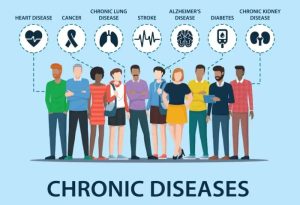
Cycling plays a crucial role in preventing chronic diseases related to cardiovascular health by improving overall heart function and circulation. It also helps manage existing chronic conditions and serves as a therapeutic form of exercise for individuals with such diseases.
Prevention of Chronic Diseases
Cycling regularly can significantly lower the risk of developing chronic conditions such as heart disease, stroke, and high blood pressure. By engaging in cardiovascular exercise, cyclists improve their heart health, strengthen their muscles, and enhance their overall physical fitness.
- Regular cycling can help reduce the buildup of plaque in the arteries, lowering the risk of atherosclerosis and coronary artery disease.
- It also aids in maintaining healthy blood pressure levels and improving blood circulation throughout the body.
- Cycling promotes efficient oxygen delivery to tissues, which is essential for overall health and disease prevention.
Management of Existing Chronic Conditions
For individuals already living with chronic diseases like diabetes or obesity, cycling can be a valuable tool in managing these conditions and improving quality of life.
- Cycling helps control blood sugar levels in individuals with diabetes by increasing insulin sensitivity and promoting weight loss.
- It can assist in weight management for individuals struggling with obesity, reducing the risk of obesity-related complications.
- Regular cycling also boosts mood and mental well-being, which is beneficial for individuals coping with chronic conditions.
Therapeutic Benefits of Cycling
Furthermore, cycling serves as a form of therapy for individuals undergoing rehabilitation or dealing with chronic pain and illness.
- Low-impact cycling can aid in joint mobility and muscle strength for individuals with arthritis or other musculoskeletal conditions.
- Cycling can help cancer survivors regain strength, improve endurance, and enhance their overall quality of life post-treatment.
- Engaging in cycling as a group activity can provide social support and a sense of community for individuals battling chronic diseases.
Epilogue
In conclusion, incorporating cycling into your routine can lead to a healthier heart, improved mental well-being, and overall enhanced quality of life. Embrace the benefits of cycling for cardiovascular fitness and experience the positive changes it can bring to your health and wellness journey.
Expert Answers
How does cycling specifically impact cardiovascular health?
Cycling helps improve cardiovascular health by increasing heart rate, strengthening the heart muscle, and enhancing overall circulation.
Can cycling be a suitable form of exercise for individuals with heart conditions?
Yes, cycling can be a low-impact and effective exercise option for individuals with heart conditions, as it allows for gradual increases in intensity.
What are some tips for beginners looking to start cycling for cardiovascular fitness?
Start with short, manageable rides, gradually increase duration and intensity, ensure proper hydration, and always prioritize safety with proper gear.