How to stay up-to-date with preventive care recommendations starts with understanding the crucial role of balanced diet, mental wellness, and physical fitness. These pillars form the foundation for a healthy lifestyle that promotes overall well-being. Dive into this comprehensive guide to discover actionable tips and insights on preventive health care.
Balanced Diet
Eating a balanced diet is crucial for maintaining good health and preventing various diseases. It provides the body with essential nutrients needed for proper functioning and overall well-being.
Importance of Nutrient-Rich Foods
A balanced diet includes a variety of nutrient-rich foods such as fruits, vegetables, whole grains, lean proteins, and healthy fats. These foods are packed with vitamins, minerals, antioxidants, and fiber that support the immune system, reduce inflammation, and promote optimal health.
- Fruits and Vegetables: Rich in vitamins, minerals, and antioxidants that help protect against chronic diseases like heart disease and cancer.
- Whole Grains: Good source of fiber, B vitamins, and minerals that support digestive health and lower the risk of diabetes and obesity.
- Lean Proteins: Provide essential amino acids for muscle growth, repair, and overall body function.
- Healthy Fats: Omega-3 fatty acids found in fish, nuts, and seeds help reduce inflammation and support brain health.
Contribution to Overall Well-being
A balanced diet not only supports physical health but also contributes to mental well-being. Nutrient-rich foods can boost mood, energy levels, and cognitive function. They help maintain a healthy weight, reduce the risk of chronic diseases, and improve overall quality of life.
Mental Wellness
Maintaining good mental health is crucial for overall well-being, including preventive care. Mental wellness plays a significant role in how we perceive and manage our physical health.
Strategies for Improving Mental Well-Being
- Practice mindfulness and meditation to reduce stress and anxiety levels.
- Engage in regular physical activity to boost mood and increase endorphin levels.
- Build a strong support system by connecting with friends, family, or a therapist.
- Ensure an adequate amount of sleep to support emotional regulation and cognitive function.
- Engage in hobbies and activities that bring joy and relaxation.
Impact of Stress Management on Preventive Health
Effective stress management techniques can have a positive impact on preventive health measures. Chronic stress can weaken the immune system, making individuals more susceptible to illnesses. By incorporating stress-reducing activities into daily routines, individuals can better support their overall health and well-being.
Physical Fitness
Physical fitness plays a crucial role in preventive care by helping to maintain overall health and reduce the risk of chronic diseases. Regular physical activity not only strengthens the body but also improves mental well-being.
Examples of Exercises for Preventive Health
- Cardiovascular exercises such as running, swimming, or cycling help improve heart health and strengthen the cardiovascular system.
- Strength training exercises like weightlifting or bodyweight exercises help build muscle mass, improve bone density, and boost metabolism.
- Flexibility exercises such as yoga or stretching help enhance joint mobility, reduce the risk of injuries, and improve overall flexibility.
Regular physical activity has been shown to reduce the risk of developing chronic conditions such as heart disease, diabetes, obesity, and certain types of cancer.
Benefits of Regular Physical Activity
- Improves cardiovascular health by strengthening the heart and improving blood circulation.
- Helps maintain a healthy weight by burning calories and increasing metabolism.
- Boosts mental health by reducing stress, anxiety, and symptoms of depression.
- Enhances overall quality of life by improving sleep, energy levels, and self-esteem.
Adequate Hydration
Staying hydrated is crucial for maintaining overall health and well-being. Adequate hydration helps regulate body temperature, transport nutrients, and flush out toxins, among other essential functions. It is important to pay attention to your fluid intake to prevent dehydration and support your body’s optimal functioning.
Tips for Maintaining Adequate Hydration
- Carry a reusable water bottle with you throughout the day to remind yourself to drink water regularly.
- Monitor your urine color – pale yellow or clear urine indicates proper hydration.
- Include hydrating foods in your diet such as fruits and vegetables with high water content.
- Set reminders on your phone or computer to drink water at regular intervals.
Impact of Hydration on Preventive Health
Proper hydration plays a key role in various aspects of preventive health:
- Hydration helps maintain healthy skin by keeping it moisturized and reducing the risk of skin issues.
- It supports proper digestion and helps prevent constipation by keeping the digestive system functioning smoothly.
- Staying hydrated can improve cognitive function and concentration, helping you stay alert and focused.
- Hydration is essential for joint health and can help prevent muscle cramps and fatigue during physical activity.
Regular Exercise
Regular exercise plays a crucial role in maintaining overall health and well-being as part of a preventive care routine. It not only helps in managing weight and reducing the risk of chronic diseases but also contributes to boosting the immune system.
Types of Exercises
- Cardiovascular exercises like running, cycling, or swimming help improve heart health and increase stamina.
- Strength training exercises such as weightlifting or bodyweight exercises help build muscle mass, bone density, and metabolism.
- Flexibility exercises like yoga or stretching routines enhance joint mobility and reduce the risk of injuries.
- Balancing exercises such as tai chi or Pilates improve stability and coordination, reducing the likelihood of falls.
Relationship with Immune Boost
Regular exercise has been shown to have a positive impact on the immune system by promoting healthy circulation and reducing inflammation in the body. It can help immune cells circulate more effectively, allowing them to detect and fight infections more efficiently.
Additionally, exercise can reduce stress levels, which in turn can further enhance immune function.
Healthy Lifestyle
Maintaining a healthy lifestyle is crucial when it comes to preventive care. By incorporating good habits and practices into your daily routine, you can significantly reduce the risk of various health conditions and stay up-to-date with preventive care recommendations.
Habits and Practices for a Healthy Lifestyle
Adopting a healthy lifestyle involves a combination of factors that promote overall well-being. Some habits and practices that contribute to a healthy lifestyle and help you stay up-to-date with preventive care recommendations include:
- Eating a balanced diet rich in fruits, vegetables, whole grains, and lean proteins.
- Engaging in regular physical activity to maintain a healthy weight and reduce the risk of chronic diseases.
- Getting an adequate amount of sleep each night to support proper bodily functions and overall health.
- Managing stress through relaxation techniques, mindfulness, or engaging in activities you enjoy.
- Avoiding harmful substances like tobacco and excessive alcohol consumption.
Long-Term Benefits of a Healthy Lifestyle
Embracing a healthy lifestyle not only helps in preventing diseases but also offers long-term benefits for your overall health and well-being. Some of the advantages of adopting a healthy lifestyle include:
- Reduced risk of heart disease, stroke, diabetes, and certain types of cancer.
- Improved mental health, leading to reduced stress, anxiety, and depression.
- Enhanced immune function, making you less susceptible to infections and illnesses.
- Increased energy levels and vitality, allowing you to lead a more active and fulfilling life.
Nutrient-Rich
Consuming a diet rich in nutrients is crucial for maintaining good health and preventing various illnesses. Nutrient-rich foods provide essential vitamins, minerals, antioxidants, and other important compounds that support the body’s functions and boost the immune system.
Specific Nutrients
- Vitamin C: Found in fruits like oranges and strawberries, vitamin C is essential for immune function and skin health.
- Vitamin D: Sunlight and fortified foods like milk are sources of vitamin D, crucial for bone health and immune function.
- Omega-3 Fatty Acids: Found in fatty fish like salmon and nuts, omega-3s support heart health and brain function.
Impact on Well-Being
Consuming a diet rich in nutrients can have a profound impact on overall well-being. Nutrient-rich foods help reduce the risk of chronic diseases, improve energy levels, enhance mental clarity, and support a strong immune system. By incorporating a variety of nutrient-dense foods into your diet, you can optimize your health and prevent nutrient deficiencies that may lead to health problems.
Stress Management
Stress management plays a crucial role in preventive care as high levels of stress can have a negative impact on both physical and mental health. Chronic stress can weaken the immune system, increase inflammation in the body, and contribute to the development of various health conditions.
Techniques for Effective Stress Management
- Practice relaxation techniques such as deep breathing, meditation, or yoga to calm the mind and body.
- Engage in regular physical activity to release endorphins and reduce stress levels.
- Maintain a healthy work-life balance by setting boundaries and prioritizing self-care.
- Connect with friends and family for emotional support and social interaction.
- Seek professional help if stress becomes overwhelming or unmanageable.
Link Between Stress Levels and Chronic Diseases
Stress has been linked to the development of chronic diseases such as heart disease, diabetes, and depression. Elevated stress hormones like cortisol can disrupt normal bodily functions and lead to long-term health issues. Managing stress effectively can help reduce the risk of developing these conditions and improve overall well-being.
Preventive Care
Preventive care plays a crucial role in maintaining overall health by focusing on preventing illnesses before they develop or worsen. It involves taking proactive measures to stay healthy and detect any potential health issues early on.
Preventive Care Recommendations
It is essential to follow preventive care recommendations tailored to different age groups to ensure overall well-being and early detection of potential health concerns. Here are some general guidelines:
- Children and Adolescents:
- Regular pediatric check-ups for growth and development monitoring.
- Vaccinations as per the recommended schedule.
- Dental check-ups and cleanings twice a year.
- Adults (18-64 years):
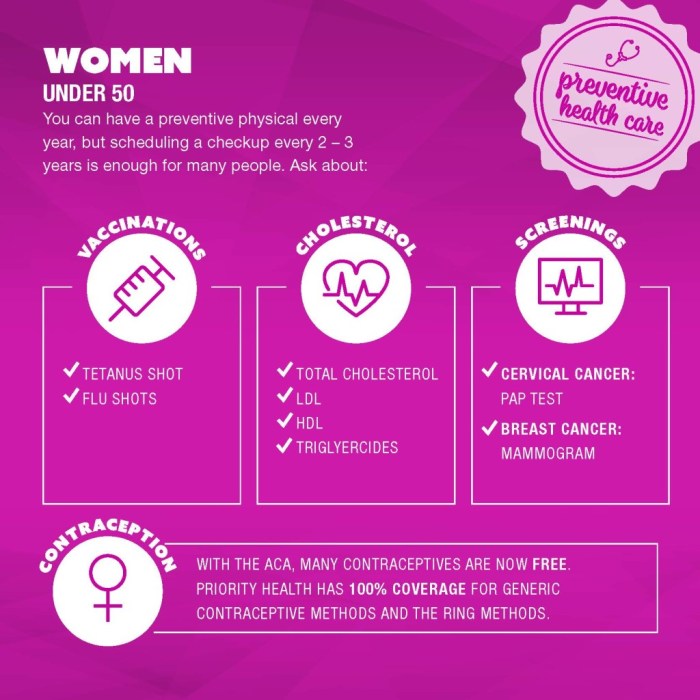
- Regular screenings for blood pressure, cholesterol, and diabetes.
- Cancer screenings such as mammograms, Pap smears, and colonoscopies as per guidelines.
- Annual flu vaccines and other recommended immunizations.
- Seniors (65+ years):
- Bone density screenings for osteoporosis.
- Regular eye exams for vision changes and glaucoma.
- Screenings for cognitive impairments and other age-related conditions.
Role of Preventive Screenings and Check-ups
Preventive screenings and regular check-ups are essential for early detection and prevention of diseases. These screenings can help identify risk factors and health issues before they progress to more severe conditions, allowing for timely intervention and treatment. By staying up-to-date with recommended screenings and check-ups, individuals can take proactive steps towards maintaining their health and well-being.
Proper Nutrition
Proper nutrition plays a crucial role in preventive care by providing our bodies with essential nutrients to maintain overall health and well-being. A well-balanced diet can help prevent various diseases and support our immune system and cardiovascular health.
Guidelines for Maintaining a Well-Balanced Diet
- Aim to include a variety of fruits, vegetables, whole grains, lean proteins, and healthy fats in your daily meals.
- Avoid processed foods high in sugar, salt, and unhealthy fats, as they can contribute to chronic conditions like obesity, diabetes, and heart disease.
- Stay hydrated by drinking an adequate amount of water throughout the day to support digestion and overall bodily functions.
- Limit consumption of sugary beverages and opt for water, herbal teas, or infused water for a healthier choice.
Importance of Proper Nutrition for Immune System and Cardiovascular Health
Proper nutrition is essential for maintaining a strong immune system, as certain nutrients like vitamin C, vitamin D, and zinc play a key role in supporting immune function and fighting off infections. Additionally, a well-balanced diet low in saturated fats and cholesterol can help reduce the risk of heart disease and promote cardiovascular health.
Remember, a healthy diet is not just about weight management, but also about nourishing your body with the right nutrients to prevent illness and maintain optimal health.
Quality Sleep: How To Stay Up-to-date With Preventive Care Recommendations
Quality sleep is essential for maintaining overall health and well-being. It plays a crucial role in preventive care by allowing the body to rest, recover, and repair itself. Lack of quality sleep can lead to a variety of health issues, including weakened immune function, increased risk of chronic diseases, and cognitive impairment.
Importance of Quality Sleep
Quality sleep is vital for preventive care as it helps regulate hormones, support brain function, and promote overall physical health. It is during sleep that the body repairs tissues, consolidates memories, and balances mood. Adequate rest also boosts the immune system, reduces inflammation, and supports cardiovascular health.
Tips for Improving Sleep Quality
- Avoid electronic devices before bedtime as the blue light can disrupt melatonin production.
- Establish a relaxing bedtime routine to signal to your body that it’s time to sleep.
- Maintain a consistent sleep schedule, even on weekends, to regulate your body’s internal clock.
- Create a comfortable sleep environment by keeping your bedroom dark, cool, and quiet.
- Avoid heavy meals, caffeine, and alcohol close to bedtime to prevent disruptions in sleep.
Impact of Sleep on Mental Wellness
Quality sleep is closely linked to mental wellness and overall well-being. Lack of sleep can contribute to mood disorders, anxiety, and depression. On the other hand, adequate rest can improve cognitive function, enhance focus, and promote emotional stability. Prioritizing quality sleep can significantly impact your mental health and quality of life.
Cardio Health
Maintaining a healthy heart is crucial for overall well-being, and it is closely linked to preventive care. By focusing on cardiovascular health, you can reduce the risk of heart diseases and other related conditions.
Exercises for Cardiovascular Health
Regular physical activity plays a key role in promoting cardiovascular health. Examples of exercises that can help improve heart function and prevent diseases include:
- Running or jogging
- Cycling
- Swimming
- Aerobics
- Dancing
Importance of a Healthy Heart
A healthy heart ensures that oxygen and nutrients are efficiently delivered to the body’s cells, promoting overall health and well-being. By taking care of your cardiovascular health through proper exercise and lifestyle choices, you can reduce the risk of heart-related issues and enjoy a better quality of life.
Immune Boost
Boosting the immune system is crucial for preventive care as it helps the body defend against infections and diseases. A strong immune system can significantly reduce the risk of falling ill and improve overall health.
Strategies for Strengthening the Immune System
- Consume a balanced diet rich in fruits, vegetables, whole grains, and lean proteins to provide essential nutrients for immune function.
- Stay hydrated by drinking an adequate amount of water daily to support immune system functions.
- Get regular exercise to improve circulation and promote a healthy immune response.
- Get quality sleep to allow the body to repair and regenerate, essential for a strong immune system.
- Manage stress through relaxation techniques like meditation or yoga, as chronic stress can weaken the immune system.
- Practice good hygiene by washing hands frequently and avoiding contact with sick individuals to prevent infections.
Impact of a Strong Immune System on Preventive Health
A strong immune system plays a vital role in preventive health by reducing the likelihood of infections, chronic diseases, and other health issues. When the immune system is functioning optimally, the body is better equipped to fight off pathogens and maintain overall wellness.
Positive Mindset
Having a positive mindset plays a crucial role in preventive care as it not only influences our behaviors and lifestyle choices but also impacts our overall health and well-being. A positive outlook can help reduce stress, improve resilience, and enhance our ability to cope with challenges, ultimately leading to better health outcomes.
Ways to Cultivate a Positive Outlook
- Practice gratitude: Take time to appreciate the good things in your life and focus on the positive aspects.
- Engage in mindfulness activities: Activities like meditation, deep breathing, or yoga can help calm the mind and promote positivity.
- Surround yourself with positive influences: Spend time with supportive and uplifting people who encourage a positive mindset.
- Challenge negative thoughts: Replace negative self-talk with positive affirmations and reframing techniques.
Relationship Between Positive Mindset and Resilience
A positive mindset has been linked to greater resilience against health challenges as it enables individuals to approach difficulties with a more optimistic and proactive attitude. Resilience allows one to bounce back from setbacks, adapt to changes, and maintain a sense of control in challenging situations.
By cultivating a positive outlook, individuals can build the mental strength needed to navigate health obstacles and stay committed to preventive care practices.
Clean Eating
When it comes to preventive care, clean eating plays a crucial role in promoting overall health and well-being. Clean eating involves consuming whole, unprocessed foods that are rich in nutrients and free from additives or artificial ingredients. By focusing on natural and wholesome foods, individuals can benefit from improved energy levels, better digestion, and a strengthened immune system.
Examples of Clean Eating Practices
- Include a variety of colorful fruits and vegetables in your daily meals to ensure a wide range of vitamins and minerals.
- Opt for whole grains such as quinoa, brown rice, and oats instead of refined grains like white bread and pasta.
- Choose lean sources of protein like chicken, fish, tofu, and legumes to support muscle growth and repair.
- Avoid sugary beverages and opt for water, herbal teas, or homemade smoothies to stay hydrated without added sugars.
- Limit processed foods high in trans fats, sodium, and added sugars, and opt for homemade meals made from fresh ingredients.
Impact of Clean Eating on Healthy Lifestyle
Clean eating not only helps in preventing chronic diseases like diabetes, heart disease, and obesity but also promotes a healthy lifestyle by providing the body with essential nutrients for optimal function. By fueling your body with nutrient-dense foods, you can maintain a healthy weight, improve your mood, and enhance your overall quality of life.
Embracing clean eating as a long-term lifestyle choice can lead to lasting health benefits and a reduced risk of illness.
Daily Activity
Regular physical activity plays a crucial role in preventive care by promoting overall health and well-being. Incorporating daily activity into your routine can have numerous benefits for your physical, mental, and emotional health.
Importance of Daily Activity
Engaging in daily physical activity helps to improve cardiovascular health, strengthen muscles and bones, boost immune function, and enhance mental clarity. It also plays a key role in weight management and reducing the risk of chronic diseases such as heart disease, diabetes, and obesity.
Tips for Incorporating Daily Physical Activity
- Start small: Begin with short walks or gentle stretching exercises and gradually increase the intensity and duration of your workouts.
- Find activities you enjoy: Whether it’s dancing, swimming, cycling, or yoga, choose activities that you find fun and engaging to make it easier to stick to a routine.
- Set goals: Establish specific, achievable goals for your daily activity, such as walking a certain number of steps or completing a set number of workouts per week.
- Be consistent: Make physical activity a priority by scheduling it into your daily routine at a time that works best for you.
Benefits of Consistent Daily Activity
Consistent daily physical activity can lead to improved mood, increased energy levels, better sleep quality, and enhanced cognitive function. It can also help reduce stress, anxiety, and depression, promoting a positive mindset and overall well-being.
Holistic Health
Holistic health is a comprehensive approach to well-being that considers the whole person, including physical, mental, emotional, and spiritual aspects. In the context of preventive care, holistic health emphasizes the interconnectedness of these different facets in promoting overall wellness and disease prevention.
Emotional Well-Being
Emotional well-being is a key component of holistic health and preventive care. Practices such as mindfulness, meditation, and therapy can help individuals manage stress, anxiety, and other emotional challenges that may impact their physical health.
Social Connections
Building and maintaining strong social connections is another important aspect of holistic health. Engaging with friends, family, and community can provide support, reduce feelings of isolation, and improve overall well-being, contributing to preventive care efforts.
Spiritual Wellness
Spiritual wellness involves finding meaning, purpose, and connection to something greater than oneself. Practices such as prayer, meditation, or spending time in nature can enhance spiritual well-being, which in turn can support overall health and preventive care.
Environmental Factors
Considering environmental factors such as air quality, access to green spaces, and exposure to toxins is crucial in holistic health and preventive care. Creating a healthy and sustainable environment can positively impact physical health and overall well-being.
Mindful Living

Mindful living is the practice of being fully present and engaged in the moment, without judgment. It involves paying attention to thoughts, feelings, and sensations in a non-reactive way. This approach can be incredibly beneficial for preventive care as it helps individuals tune into their bodies and minds, making it easier to recognize and address any potential health issues before they escalate.
Principles of Mindful Living
- Awareness: Being consciously aware of the present moment without judgment.
- Acceptance: Embracing thoughts and feelings without trying to change them.
- Compassion: Showing kindness and understanding to oneself and others.
- Non-judgment: Observing thoughts and feelings without labeling them as good or bad.
Techniques for Practicing Mindfulness
- Deep Breathing: Focus on your breath to anchor yourself in the present moment.
- Body Scan: Pay attention to different parts of your body to notice any tension or discomfort.
- Meditation: Set aside time each day to quiet your mind and connect with your inner self.
- Mindful Eating: Slow down and savor each bite of your meal, paying attention to taste, texture, and sensations.
Benefits of Mindful Living
- Improved Mental Wellness: Mindfulness can reduce stress, anxiety, and depression, promoting overall mental well-being.
- Stress Management: By cultivating awareness and acceptance, individuals can better cope with stressors in their lives.
- Enhanced Focus and Concentration: Mindful living can sharpen cognitive abilities and increase productivity.
- Emotional Regulation: Practicing mindfulness can help regulate emotions and improve relationships with others.
Emotional Balance
Emotional balance plays a crucial role in preventive care as it directly impacts our overall well-being. It involves managing our emotions effectively to reduce stress, improve mental health, and enhance our ability to cope with life’s challenges.
Strategies for Achieving Emotional Balance
Here are some strategies to help you achieve emotional balance and support preventive health:
- Practice mindfulness and meditation to stay present and reduce anxiety.
- Engage in activities you enjoy to boost your mood and reduce negative emotions.
- Build strong relationships and seek support from friends and family during tough times.
- Express your feelings through journaling or talking to a therapist to process emotions effectively.
- Set boundaries to protect your emotional well-being and avoid burnout.
Impact of Emotional Well-being on Preventive Care
Emotional well-being has a significant impact on overall preventive care. When you prioritize emotional balance, you are better equipped to make healthier choices, manage stress effectively, and maintain a positive mindset. This, in turn, can lead to better adherence to preventive care recommendations and overall well-being.
Health Education
Health education plays a crucial role in helping individuals stay informed about preventive care recommendations. By providing knowledge and resources, health education empowers people to make informed decisions about their health and well-being. It helps individuals understand the importance of preventive care practices and encourages them to take proactive steps to maintain their health.
Role of Health Education
- Health education provides information on the latest preventive care recommendations, guidelines, and best practices.
- It helps individuals understand the impact of their lifestyle choices on their health and well-being.
- Health education promotes awareness about common health issues, risk factors, and ways to prevent diseases.
- It encourages individuals to develop healthy habits, seek regular check-ups, and engage in preventive health screenings.
Sources of Reliable Health Information
- Government health websites such as the Centers for Disease Control and Prevention (CDC) and the National Institutes of Health (NIH) provide evidence-based information on preventive care.
- Medical organizations like the American Heart Association, American Cancer Society, and American Diabetes Association offer reliable resources on specific health conditions and preventive measures.
- Health education programs offered by healthcare providers, community organizations, and educational institutions can also be valuable sources of information.
- Consulting with healthcare professionals and attending health seminars or workshops are other ways to stay informed about preventive care recommendations.
Importance of Continuous Learning and Health Literacy
- Continuous learning ensures that individuals are aware of the latest developments in preventive care and can make informed decisions about their health.
- Health literacy enables individuals to understand health information, navigate healthcare systems, and communicate effectively with healthcare providers.
- By improving health literacy, individuals can take an active role in managing their health, making informed choices, and advocating for their well-being.
- Health education empowers individuals to prioritize preventive care, adopt healthy behaviors, and maintain overall well-being through education and awareness.
Self-Care
Self-care plays a crucial role in preventive care by focusing on individual well-being and overall health. It involves taking deliberate actions to care for oneself physically, mentally, and emotionally to prevent illness and maintain a balanced lifestyle.
Self-Care Practices for Preventive Health
- Engage in regular exercise to improve physical health and overall well-being.
- Practice mindfulness and meditation to reduce stress and promote mental wellness.
- Eat a balanced diet rich in nutrients to support your body’s functions and immune system.
- Ensure you get quality sleep to allow your body to rest and rejuvenate.
- Stay hydrated throughout the day to maintain proper bodily functions and support overall health.
Impact of Self-Care on Stress Management and Mental Wellness
Self-care routines have a profound impact on stress management and mental wellness. By prioritizing self-care practices, individuals can effectively reduce stress levels, improve their mood, and enhance their overall mental health. Taking time for self-care allows individuals to recharge, relax, and focus on their well-being, leading to a more balanced and fulfilling life.
Chronic Disease
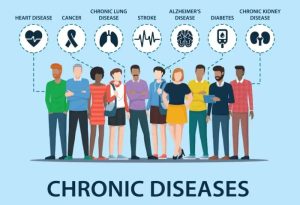
Chronic diseases are long-lasting conditions that can be managed but not always cured. They often require ongoing medical attention and can impact a person’s quality of life. Preventive care plays a crucial role in managing chronic diseases by focusing on early detection and lifestyle interventions to minimize their effects.
Preventive Measures for Common Chronic Diseases
- Diabetes: Maintain a balanced diet, monitor blood sugar levels regularly, engage in regular physical activity, and take prescribed medications as directed.
- Heart Disease: Follow a heart-healthy diet, exercise regularly, manage stress levels, avoid smoking, and monitor blood pressure and cholesterol levels.
- Cancer: Participate in cancer screenings as recommended by healthcare providers, avoid tobacco and excessive alcohol consumption, maintain a healthy weight, and protect yourself from sun exposure.
The Importance of Early Detection and Management, How to stay up-to-date with preventive care recommendations
Early detection of chronic diseases through screenings and regular check-ups can lead to timely interventions that may prevent or delay the progression of the condition. Managing chronic diseases effectively involves adhering to treatment plans, making lifestyle changes, and seeking medical advice promptly when symptoms arise.
Outcome Summary
In conclusion, staying current with preventive care recommendations is a proactive approach to safeguarding your health and well-being. By prioritizing a balanced diet, mental wellness, physical fitness, and other key factors highlighted in this guide, you can take control of your preventive health care journey and enjoy a healthier lifestyle.
Stay informed, stay healthy, and embrace the power of preventive care for a brighter future.
FAQ Resource
How often should I update my preventive care routine?
It’s recommended to review and update your preventive care routine annually or as advised by your healthcare provider to ensure it aligns with current recommendations.
Can preventive care recommendations vary based on age?
Absolutely, preventive care guidelines can differ based on age due to varying health needs and risks at different life stages. It’s crucial to follow age-appropriate recommendations.
Is it necessary to consult a healthcare professional before making changes to my preventive care routine?
Yes, it’s always advisable to consult with a healthcare provider before making any significant changes to your preventive care routine to ensure it suits your individual health requirements.