Kicking off with Top nutrient-rich foods for prenatal nutrition, this guide provides essential information on the best foods for expectant mothers to support a healthy pregnancy. From leafy greens to lean proteins, discover the top nutrient-rich options to nourish both you and your baby.
As you delve into this article, you’ll uncover the ideal diet to optimize your prenatal nutrition and promote overall well-being during this crucial time.
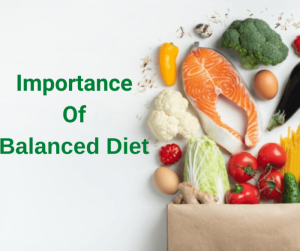
Balanced Diet
During pregnancy, maintaining a balanced diet is crucial for the health and well-being of both the mother and the baby. A balanced diet ensures that the mother receives essential nutrients for her own health while also providing the necessary nutrients for the growth and development of the baby.
Essential Food Groups
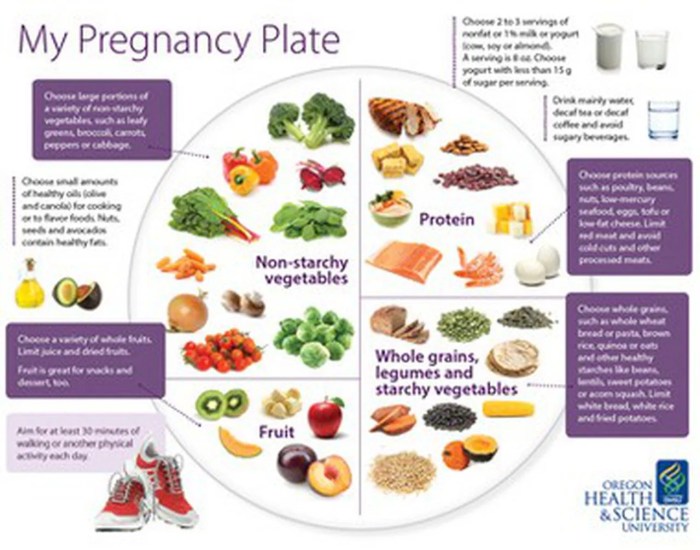
A balanced prenatal diet should include a variety of essential food groups to ensure that both the mother and the baby receive adequate nutrition. Some key food groups to focus on include:
- 1. Fruits and Vegetables: Rich in vitamins, minerals, and antioxidants that support overall health and development.
- 2. Whole Grains: Good source of fiber, B vitamins, and minerals essential for energy and proper digestion.
- 3. Lean Proteins: Important for muscle growth, tissue repair, and overall development of the baby.
- 4. Dairy Products: Rich in calcium, essential for bone health and development.
- 5. Healthy Fats: Found in sources like nuts, seeds, and fatty fish, crucial for brain development and overall growth.
Impact on Health
Maintaining a balanced diet during pregnancy not only supports the overall health of the mother but also has a significant impact on the development of the baby. Adequate nutrition can reduce the risk of birth defects, low birth weight, and other complications.
It also helps in maintaining a healthy weight, reducing the risk of gestational diabetes, and ensuring proper growth and development of the baby.
Mental Wellness
During pregnancy, mental wellness is crucial for expectant mothers as it can have a significant impact on both the mother and the developing baby. Maintaining a healthy state of mind not only promotes overall well-being but also contributes to positive pregnancy outcomes.
Techniques for Maintaining Mental Wellness
- Practice relaxation techniques such as deep breathing exercises or prenatal yoga to reduce stress and anxiety.
- Engage in regular physical activity to boost mood and improve mental health.
- Seek support from loved ones, friends, or a counselor to discuss any concerns or emotions you may be experiencing.
- Ensure you are getting enough rest and sleep to help regulate emotions and reduce fatigue.
- Practice mindfulness and focus on the present moment to alleviate worries about the future.
Correlation Between Mental Wellness and Positive Pregnancy Outcomes
Maintaining good mental health during pregnancy has been linked to positive outcomes such as reduced risk of preterm birth, healthier birth weights, and lower rates of postpartum depression. When a mother is mentally well, she is better equipped to handle the challenges of pregnancy and motherhood, leading to a healthier and happier experience for both herself and her baby.
Physical Fitness
Staying physically active during pregnancy is crucial for both the mother’s and the baby’s health. Regular exercise can help improve circulation, reduce aches and pains, boost mood, and even help with better sleep. It can also help the mother maintain a healthy weight, reduce the risk of gestational diabetes, and improve overall fitness levels.
Safe Exercise Routines
It’s important to choose exercises that are safe for pregnancy and avoid high-impact activities or anything that puts too much strain on the body. Some safe exercise routines suitable for prenatal fitness include:
- Walking: A low-impact exercise that can be easily incorporated into daily routine.
- Swimming: A great way to stay active without putting pressure on the joints.
- Prenatal yoga: Helps with flexibility, strength, and relaxation.
- Light weight training: Focus on low weights and high repetitions to maintain muscle tone.
Preparing the Body for Childbirth
Physical fitness plays a key role in preparing the body for childbirth. Strong muscles, especially in the core and pelvic floor, can help in the pushing stage of labor. Endurance from cardiovascular exercise can also assist in the long and strenuous process of giving birth.
Overall, staying active during pregnancy can lead to a smoother labor and quicker recovery postpartum.
Adequate Hydration
Maintaining proper hydration is crucial for pregnant women as it supports overall health and helps in the development of the baby. Dehydration can lead to various complications during pregnancy, so it is essential to ensure adequate fluid intake.
Importance of Hydration
- Water plays a key role in transporting nutrients and oxygen to the baby
- Helps in maintaining amniotic fluid levels for the baby’s growth
- Aids in digestion and prevents constipation, a common issue during pregnancy
- Regulates body temperature and helps prevent urinary tract infections
Tips for Staying Hydrated
- Carry a water bottle with you to sip throughout the day
- Include hydrating foods like watermelon, cucumbers, and oranges in your diet
- Avoid sugary drinks and opt for water, coconut water, or herbal teas
- Set reminders on your phone or use apps to track your water intake
Impact of Hydration on Health
- Proper hydration can reduce the risk of preterm labor and birth complications
- Helps in preventing headaches, fatigue, and dizziness
- Improves skin elasticity and reduces the risk of stretch marks
- Ensures optimal kidney function and reduces the risk of gestational diabetes
Regular Exercise
Regular exercise plays a crucial role in maintaining overall health and well-being during pregnancy. Incorporating physical activity into a prenatal routine can bring about numerous benefits for both the mother and the baby.
Advantages of Regular Exercise
- Improves cardiovascular health and circulation, which is essential for the developing baby.
- Helps alleviate common discomforts such as back pain, swelling, and constipation.
- Boosts mood and reduces stress, promoting mental well-being.
- Aids in better sleep quality and may help prevent excessive weight gain.
Suitable Exercises for Pregnant Women
- Walking: A low-impact exercise that can be easily incorporated into daily routine.
- Swimming: Provides a full-body workout without putting pressure on joints.
- Prenatal yoga: Helps improve flexibility, strength, and relaxation.
- Light weight training: Enhances muscle tone and prepares the body for labor.
Potential Risks of Not Exercising During Pregnancy
Engaging in regular exercise during pregnancy is generally safe for most women. However, not exercising at all can lead to certain risks such as:
- Increased risk of gestational diabetes and high blood pressure.
- Higher chances of excessive weight gain and related complications.
- Greater likelihood of developing pregnancy-related aches and pains.
- Decreased stamina and endurance, which may impact labor and delivery.
Healthy Lifestyle
Creating a healthy lifestyle during pregnancy is crucial for the well-being of both the mother and the baby. It involves making choices that promote overall health and wellness.
Components of a Healthy Lifestyle for Expectant Mothers
- Proper Nutrition: Ensuring a balanced diet rich in essential nutrients.
- Regular Exercise: Engaging in safe and suitable physical activity.
- Adequate Sleep: Getting enough rest to support the body’s needs during pregnancy.
- Stress Management: Finding ways to reduce stress and promote relaxation.
- Avoiding Harmful Substances: Steer clear of alcohol, smoking, and drugs.
Creating a Supportive Environment for a Healthy Pregnancy
It’s important to surround yourself with positivity and support to maintain a healthy lifestyle during pregnancy. Here are some tips:
- Communicate openly with your healthcare provider about your needs and concerns.
- Seek support from your partner, family, and friends to help you navigate this journey.
- Join prenatal classes or support groups to connect with other expectant mothers.
- Create a peaceful and relaxing environment at home to reduce stress and promote well-being.
Long-Term Benefits of Adopting a Healthy Lifestyle During Pregnancy
Adopting a healthy lifestyle during pregnancy not only benefits you and your baby in the short term but also has long-lasting effects. Here are some of the long-term benefits:
- Reduces the risk of complications during pregnancy and childbirth.
- Promotes a healthy weight for both the mother and the baby.
- Sets a positive example for your child, encouraging healthy habits from a young age.
- Improves overall well-being and quality of life for the entire family.
Nutrient-Rich Foods
Consuming a variety of key essential nutrients during pregnancy is crucial for the health and development of the mother and the growing baby. Here is a list of top nutrient-rich foods that are beneficial for prenatal nutrition and can have a positive impact on fetal development.
Key Essential Nutrients
During pregnancy, it is important to ensure adequate intake of essential nutrients such as:
Vitamin D, folic acid, iron, calcium, omega-3 fatty acids, and protein.
Top Nutrient-Rich Foods
Include the following foods in your diet to meet the nutritional needs during pregnancy:
- Leafy green vegetables (e.g., spinach, kale) for folate and iron
- Citrus fruits (e.g., oranges, grapefruits) for vitamin C
- Dairy products (e.g., milk, yogurt) for calcium and protein
- Lean meats (e.g., poultry, beef) for iron and protein
- Fatty fish (e.g., salmon, sardines) for omega-3 fatty acids
- Legumes (e.g., lentils, chickpeas) for folate and protein
Impact on Fetal Development
Consuming nutrient-rich foods during pregnancy can have a significant impact on the development of the fetus. Adequate intake of essential nutrients supports proper growth, brain development, and overall health of the baby. It also reduces the risk of birth defects and complications during pregnancy.
Stress Management
Pregnancy can be a joyful experience, but it also comes with its own set of challenges. Managing stress during this time is crucial for the well-being of both the mother and the baby. High stress levels can have negative effects on the pregnancy, including increased risk of complications.
It is important for expectant mothers to find effective ways to reduce stress and promote a healthy environment for themselves and their baby.
Effective Stress Management Techniques
- Practice relaxation techniques such as deep breathing, meditation, or yoga to calm the mind and body.
- Engage in regular physical activity, such as prenatal exercise classes or gentle walks, to release endorphins and reduce stress.
- Connect with a support system of friends, family, or a therapist to share feelings and receive emotional support.
- Ensure you are getting enough sleep and rest to rejuvenate your body and mind.
- Avoid overcommitting yourself and prioritize tasks to reduce feelings of overwhelm.
Relationship Between Stress Management and Maternal Well-being
Stress management plays a crucial role in maintaining the overall well-being of expectant mothers. High stress levels can lead to hormonal imbalances, increased blood pressure, and other physical symptoms that can impact both the mother and the baby. By effectively managing stress through various techniques and strategies, mothers can create a positive and nurturing environment for themselves and their developing baby.
Preventive Care
Preventive care during pregnancy plays a crucial role in ensuring the health and well-being of both the mother and the baby. By taking proactive measures and adopting healthy habits, pregnant women can reduce the risk of complications and promote a smooth pregnancy journey.
Importance of Preventive Care
Preventive care involves regular check-ups with healthcare providers to monitor the progress of the pregnancy and address any potential issues early on. It also includes following a balanced diet, staying physically active, managing stress, and avoiding harmful substances.
Examples of Preventive Measures
- Attend all prenatal appointments as scheduled by your healthcare provider.
- Take prenatal vitamins recommended by your doctor to ensure adequate nutrition.
- Avoid smoking, alcohol, and recreational drugs that can harm the baby.
- Engage in regular exercise suitable for pregnant women to maintain physical fitness.
- Practice good hygiene to prevent infections that could affect the pregnancy.
Contribution to a Healthy Pregnancy
By prioritizing preventive care, pregnant women can detect and address potential complications early, leading to better outcomes for both themselves and their babies. It helps in promoting a healthy pregnancy, reducing the risk of preterm birth, low birth weight, and other complications.
Proper Nutrition
Proper nutrition plays a crucial role in supporting a healthy pregnancy by providing essential nutrients that are vital for the mother’s health and the development of the baby. It helps in reducing the risk of complications during pregnancy and ensures optimal growth and development of the fetus.
Guidelines for Achieving Optimal Nutrition During Pregnancy
- Consume a variety of foods from all food groups to ensure a balanced diet.
- Include foods rich in folate, iron, calcium, and other essential nutrients for pregnancy.
- Aim to eat small, frequent meals throughout the day to maintain energy levels and prevent nausea.
- Stay hydrated by drinking plenty of water and fluids to support overall health.
- Avoid alcohol, caffeine, and high-mercury fish to reduce the risk of harm to the baby.
Impact of Proper Nutrition on Well-being
Proper nutrition not only benefits the mother but also has a significant impact on the well-being of the baby. It can help in preventing birth defects, low birth weight, and other complications. Nutrient-rich foods support the development of the baby’s brain, organs, and overall growth.
Additionally, maintaining optimal nutrition during pregnancy can improve the mother’s energy levels, mood, and overall health, leading to a smoother pregnancy journey.
Quality Sleep
Quality sleep is crucial for pregnant women as it plays a vital role in supporting the overall health and well-being of both the mother and the developing baby. Adequate rest during pregnancy is essential for proper growth and development, as well as for managing the physical and emotional changes that come with pregnancy.
Importance of Quality Sleep for Pregnant Women
During pregnancy, the body undergoes significant changes that can impact sleep patterns. Quality sleep is essential for pregnant women as it helps in:
- Promoting overall health and well-being
- Supporting the immune system
- Reducing the risk of pregnancy complications
- Enhancing mood and reducing stress levels
Quality sleep is essential for the body to repair and rejuvenate, promoting optimal health for both the mother and the baby.
Tips on Improving Sleep Quality during Pregnancy
Improving sleep quality during pregnancy can be achieved by following these tips:
- Establishing a bedtime routine
- Creating a comfortable sleep environment
- Engaging in relaxation techniques before bedtime
- Avoiding caffeine and heavy meals close to bedtime
It is important to prioritize sleep and create a conducive environment for rest to ensure quality sleep during pregnancy.
Effects of Inadequate Sleep on Pregnancy Outcomes
Inadequate sleep during pregnancy can have several negative effects on both the mother and the baby, including:
- Increased risk of gestational diabetes
- Higher chances of preterm birth
- Compromised immune function
- Emotional disturbances and mood swings
It is crucial for pregnant women to prioritize sleep and address any sleep-related issues promptly to promote a healthy pregnancy and positive outcomes for both the mother and the baby.
Cardio Health
Maintaining good cardiovascular health during pregnancy is crucial for both the mother and the baby. A healthy heart and circulatory system can help prevent complications and ensure a smooth pregnancy journey.
Significance of Cardiovascular Health During Pregnancy
- Increased blood volume: During pregnancy, a woman’s blood volume increases significantly to support the growing baby. A healthy heart is essential to pump this extra blood efficiently.
- Reduced risk of gestational diabetes: Good cardiovascular health can help lower the risk of developing gestational diabetes, a common pregnancy complication.
- Optimal oxygen delivery: A strong heart ensures that an adequate amount of oxygen is delivered to both the mother and the developing fetus.
Recommendations for Maintaining Cardiovascular Health While Pregnant
- Regular exercise: Engaging in low-impact cardiovascular exercises like walking or swimming can help strengthen the heart and improve circulation.
- Healthy diet: Consuming nutrient-rich foods like fruits, vegetables, whole grains, and lean proteins can support cardiovascular health during pregnancy.
- Monitoring blood pressure: Regularly checking blood pressure levels and seeking medical advice if there are any concerns is essential for maintaining cardiovascular health.
Impact of Cardiovascular Health on Pregnancy Complications
- Pre-eclampsia: Poor cardiovascular health can increase the risk of developing pre-eclampsia, a serious condition characterized by high blood pressure and organ damage.
- Heart conditions: Existing heart conditions or poor cardiovascular health can lead to complications during pregnancy, requiring specialized medical care.
- Fetal growth restriction: Inadequate oxygen delivery due to cardiovascular issues can impact the growth and development of the baby.
Immune Boost
Boosting the immune system during pregnancy is crucial for both the mother and the baby. A strong immune system can help protect against infections and illnesses that may be harmful during this sensitive time. It also plays a key role in supporting the overall health and well-being of both the mother and the developing fetus.
Natural Ways to Enhance Immune Function
- A balanced diet rich in fruits, vegetables, whole grains, lean proteins, and healthy fats can provide essential nutrients like vitamins A, C, and E, as well as zinc and selenium, which are known to support immune function.
- Regular physical activity can help improve circulation and immune function, reducing the risk of infections.
- Getting enough quality sleep is important for immune health, as lack of sleep can weaken the immune system.
- Stress management techniques such as meditation, deep breathing exercises, and yoga can help reduce stress levels, which can impact immune function.
- Stay hydrated by drinking plenty of water throughout the day to support immune function and overall health.
Benefits of a Strong Immune System, Top nutrient-rich foods for prenatal nutrition
A strong immune system can benefit both the mother and the baby by reducing the risk of infections that could harm either of them. It can also help ensure that the baby receives the necessary nutrients and oxygen for optimal development.
Positive Mindset

Maintaining a positive mindset during pregnancy can have numerous benefits for both the mother and the baby. It can help reduce stress levels, improve overall well-being, and promote a healthier pregnancy experience.
Benefits of a Positive Mindset
- Lower stress levels: A positive outlook can help reduce stress, which is beneficial for both the mother and the baby.
- Improved emotional well-being: Cultivating positivity can lead to better emotional health and a more stable mood during pregnancy.
- Enhanced resilience: A positive mindset can help mothers cope better with the challenges of pregnancy and childbirth.
Strategies for Cultivating Positivity
- Practice mindfulness and relaxation techniques, such as deep breathing exercises or yoga, to stay grounded and calm.
- Engage in activities that bring joy and fulfillment, such as spending time in nature, listening to music, or connecting with loved ones.
- Avoid negative influences and surround yourself with supportive and positive people who uplift and encourage you.
Impact of a Positive Mindset on Pregnancy
Research suggests that maintaining a positive mindset during pregnancy can lead to better birth outcomes, including lower rates of preterm birth and healthier babies.
Having a positive outlook can also help mothers feel more empowered and confident, leading to a more positive overall pregnancy experience.
Clean Eating
Clean eating refers to consuming whole, minimally processed foods that are as close to their natural state as possible. This approach emphasizes nutrient-dense options and avoids artificial additives, preservatives, and refined ingredients. Clean eating plays a crucial role in prenatal nutrition as it provides essential vitamins, minerals, and antioxidants necessary for the health and development of both the mother and the baby.
Examples of Clean Eating Habits for Pregnant Women
- Include a variety of fruits and vegetables in your daily meals to ensure a range of nutrients.
- Choose whole grains like quinoa, brown rice, and oats over refined grains like white bread and pasta.
- Opt for lean protein sources such as poultry, fish, tofu, and legumes instead of processed meats.
- Incorporate healthy fats from sources like avocados, nuts, seeds, and olive oil into your diet.
- Avoid sugary beverages and opt for water, herbal teas, or homemade fruit-infused water for hydration.
Benefits of Clean Eating for Maternal and Fetal Health
- Provides essential nutrients for the healthy growth and development of the baby.
- Reduces the risk of gestational diabetes and other pregnancy-related complications.
- Supports maternal energy levels and overall well-being during pregnancy.
- Helps maintain a healthy weight and promotes proper digestion and nutrient absorption.
- Enhances the immune system to protect both the mother and the baby from illnesses.
Daily Activity: Top Nutrient-rich Foods For Prenatal Nutrition
Regular physical activity plays a crucial role in maintaining a healthy pregnancy. Staying active can help reduce the risk of complications, improve overall well-being, and support a smoother labor and delivery process.
Incorporating Daily Activity
- Take a daily walk: Walking is a low-impact exercise that can easily be incorporated into your routine. Aim for at least 30 minutes of brisk walking each day.
- Attend prenatal fitness classes: Joining classes specifically designed for pregnant women can help you stay active in a safe and supportive environment.
- Practice prenatal yoga: Yoga can help improve flexibility, strength, and relaxation during pregnancy. Look for classes or online videos tailored for expectant mothers.
- Swim regularly: Swimming is a great way to stay active while being gentle on your joints. It can also help alleviate pregnancy-related discomforts.
Effects of Daily Activity on Pregnancy Outcomes
Regular physical activity during pregnancy has been linked to numerous benefits, including:
- Reduced risk of gestational diabetes and preeclampsia
- Improved mood and decreased risk of depression
- Enhanced strength and endurance for labor and delivery
- Better weight management and postpartum recovery
Remember to consult with your healthcare provider before starting any new exercise routine during pregnancy to ensure it is safe for you and your baby.
Holistic Health
Holistic health is a concept that takes into account the whole person
- mind, body, and spirit
- in order to achieve overall well-being. When applied to prenatal care, holistic health focuses on nurturing the mother and her baby through various interconnected aspects of health.
Approaches to Promoting Health During Pregnancy
- Proper Nutrition: Ensuring the mother consumes a balanced diet rich in nutrients to support the development of the baby.
- Stress Management: Techniques such as meditation, yoga, or deep breathing exercises can help reduce stress levels and promote relaxation.
- Physical Fitness: Gentle exercises like prenatal yoga or swimming can help maintain physical health during pregnancy.
- Mental Wellness: Seeking support from loved ones, attending counseling, or practicing mindfulness can support emotional well-being.
Benefits of Embracing Holistic Health Practices
- Enhanced Overall Well-being: By addressing multiple aspects of health, holistic practices can improve the mother’s and baby’s health.
- Reduced Risk of Complications: A holistic approach can help manage conditions like gestational diabetes or high blood pressure.
- Improved Bonding: Practices like prenatal massage or partner involvement can strengthen the bond between mother and baby.
Mindful Living
Mindful living during pregnancy involves being fully present in the moment, paying attention to thoughts and feelings without judgment. This practice can have significant benefits for both the expectant mother and her baby.
Mindfulness Techniques for Expectant Mothers
- Deep Breathing: Taking slow, deep breaths can help reduce stress and promote relaxation.
- Body Scan: This involves focusing on each part of the body, noticing any tension or discomfort, and consciously releasing it.
- Mindful Walking: Paying attention to each step taken can help ground the mind and body.
- Meditation: Taking a few minutes each day to sit quietly and focus on the breath can help calm the mind and reduce anxiety.
Impact of Mindful Living on Maternal and Fetal Health
- Reduced Stress Levels: Mindfulness techniques can help manage stress, which is crucial for the health of both mother and baby.
- Improved Sleep: Practicing mindfulness can promote better sleep quality, which is essential for overall well-being during pregnancy.
- Enhanced Bonding: Being present and mindful can strengthen the bond between mother and baby, even before birth.
- Emotional Regulation: Mindful living can help expectant mothers cope with the emotional ups and downs of pregnancy.
Emotional Balance
Maintaining emotional balance during pregnancy is crucial for the overall well-being of both the mother and the baby. Pregnancy can bring about a rollercoaster of emotions due to hormonal changes, physical discomfort, and the anticipation of a new arrival. Finding ways to achieve emotional equilibrium can help reduce stress, anxiety, and mood swings, leading to a more positive pregnancy experience.
Importance of Emotional Balance
Emotional balance plays a significant role in ensuring a healthy pregnancy journey. When expecting mothers are emotionally stable, they are better equipped to cope with the physical and emotional challenges that come with pregnancy. This can lead to lower levels of stress, improved sleep quality, and a more positive outlook on the changes happening in their bodies.
Strategies for Achieving Emotional Equilibrium
- Practice mindfulness and relaxation techniques such as deep breathing, meditation, or yoga to calm the mind and reduce stress.
- Communicate openly with your partner, family, or friends about your feelings and concerns to feel supported and understood.
- Engage in activities you enjoy, whether it’s reading a book, taking a walk in nature, or listening to music, to boost your mood and emotional well-being.
- Seek professional help if you’re struggling to cope with overwhelming emotions or if you have a history of mental health issues.
Effects of Emotional Balance on Pregnancy Experience
Emotional balance can positively impact the overall pregnancy experience by enhancing the bond between the mother and the baby, promoting better maternal health outcomes, and creating a nurturing environment for the growing fetus. When mothers are emotionally stable, they are more likely to make healthy lifestyle choices, attend prenatal appointments regularly, and prepare mentally and emotionally for childbirth and motherhood.
Health Education
Health education plays a vital role in supporting expectant mothers throughout their pregnancy journey. By providing valuable information and resources, it empowers women to make informed decisions about their prenatal health and wellness.
Significance of Health Education for Expectant Mothers
- Health education helps expectant mothers understand the changes happening in their bodies during pregnancy.
- It provides guidance on proper nutrition, exercise, and overall lifestyle choices that can positively impact both the mother and the baby.
- By being well-informed, expectant mothers can actively participate in their prenatal care and advocate for their own health needs.
- Health education can help reduce anxiety and stress by addressing common concerns and providing coping strategies.
Resources for Reliable Health Information during Pregnancy
- Consulting with healthcare providers such as obstetricians, midwives, and doulas for personalized guidance.
- Utilizing reputable websites and online resources from organizations like the American College of Obstetricians and Gynecologists (ACOG) or the Centers for Disease Control and Prevention (CDC).
- Attending prenatal classes and workshops offered by hospitals, birthing centers, or community organizations.
- Reading trusted books and publications written by healthcare professionals specializing in prenatal care.
Benefits of Being Well-Informed about Prenatal Health and Wellness
- Improved pregnancy outcomes and reduced risks of complications for both the mother and the baby.
- Enhanced confidence in making decisions related to prenatal care, labor, and childbirth.
- Increased awareness of warning signs or symptoms that may require medical attention during pregnancy.
- Empowerment to advocate for individualized care and preferences throughout the pregnancy journey.
Self-Care
Self-care is crucial for pregnant women as it helps in maintaining overall well-being during this transformative phase. Taking care of oneself not only benefits the mother but also has a positive impact on the baby’s development. It involves practices that promote physical, emotional, and mental health, ensuring a smooth and healthy pregnancy journey.
Importance of Self-Care for Pregnant Women
Self-care practices play a vital role in supporting the health and well-being of expectant mothers. It helps in reducing stress levels, improving sleep quality, boosting energy levels, and enhancing emotional balance. By prioritizing self-care, pregnant women can better cope with the physical and emotional changes that come with pregnancy.
This, in turn, leads to a healthier pregnancy and better outcomes for both the mother and the baby.
Self-Care Tips for Expectant Mothers
- Practice relaxation techniques such as deep breathing, meditation, or prenatal yoga to reduce stress and promote relaxation.
- Eat a balanced diet rich in nutrients to support your health and the development of the baby.
- Stay physically active with safe exercises recommended for pregnant women to boost energy and improve overall well-being.
- Get regular prenatal check-ups and follow the advice of healthcare providers to ensure a healthy pregnancy.
- Take time for yourself to relax, unwind, and engage in activities that bring you joy and peace.
Impact of Self-Care on Maternal Well-being and Pregnancy Outcomes
Self-care practices have a profound impact on maternal well-being and pregnancy outcomes. By prioritizing self-care, pregnant women can reduce the risk of complications, improve their emotional health, and enhance their overall quality of life during pregnancy. Taking care of oneself allows expectant mothers to better connect with their bodies, their babies, and the experience of pregnancy, leading to a more positive and fulfilling journey into motherhood.
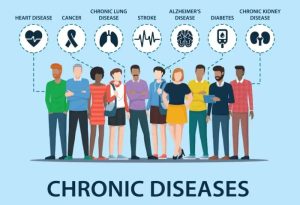
Chronic Disease
Chronic diseases can pose unique challenges for pregnant women, as they require special attention and management to ensure the health of both the mother and the developing baby. It is essential for women with chronic conditions to work closely with their healthcare providers to navigate through pregnancy safely.
Considerations for Pregnant Women with Chronic Diseases
When pregnant women have chronic diseases, such as diabetes, hypertension, or autoimmune disorders, it is crucial to carefully monitor and manage these conditions to prevent complications during pregnancy. Regular check-ups, specialized care, and adherence to treatment plans are essential to maintain optimal health for both the mother and the baby.
- Consult with healthcare providers: Pregnant women with chronic diseases should consult with their healthcare providers regularly to ensure proper management of their conditions.
- Medication management: It is important to review all medications with healthcare providers to determine their safety during pregnancy and make any necessary adjustments.
- Diet and nutrition: Following a balanced diet tailored to the specific needs of the chronic condition is vital for managing blood sugar levels, blood pressure, or other health markers.
- Monitoring fetal development: Regular prenatal visits and ultrasounds can help track the baby’s growth and development, identifying any potential concerns early on.
- Lifestyle adjustments: Making necessary lifestyle changes, such as quitting smoking, reducing stress, and getting regular exercise, can benefit both the mother and the baby.
Impact of Chronic Diseases on Maternal Health and Fetal Development
Chronic diseases can have a significant impact on maternal health and fetal development if not properly managed during pregnancy. Complications such as preterm birth, preeclampsia, gestational diabetes, or low birth weight may arise, highlighting the importance of proactive management.
- Risk of complications: Chronic diseases can increase the risk of complications during pregnancy, requiring careful monitoring and intervention to minimize risks.
- Fetal growth and development: Uncontrolled chronic conditions can affect fetal growth and development, potentially leading to long-term health issues for the baby.
- Maternal well-being: Managing chronic diseases during pregnancy is essential for the overall well-being of the mother, ensuring a healthy pregnancy and delivery.
- Postpartum care: Continued monitoring and care postpartum are important for women with chronic diseases to address any lingering health concerns and maintain optimal health.
Epilogue
In conclusion, prioritizing nutrient-rich foods in your diet can significantly impact your pregnancy journey. By incorporating these powerhouse foods, you’re not just eating for one but nourishing the future of your family. Embrace these dietary choices for a healthier, happier pregnancy experience.
FAQ Resource
What are the top nutrient-rich foods for prenatal nutrition?
The top nutrient-rich foods for prenatal nutrition include leafy greens, berries, lean meats, legumes, and dairy products.
How do these foods benefit pregnant women?
These foods provide essential vitamins and minerals crucial for fetal development and maternal health during pregnancy.
Can I combine these foods into meals for a balanced prenatal diet?
Absolutely! Mixing and matching these nutrient-rich foods can help you create delicious and nourishing meals to support your pregnancy.