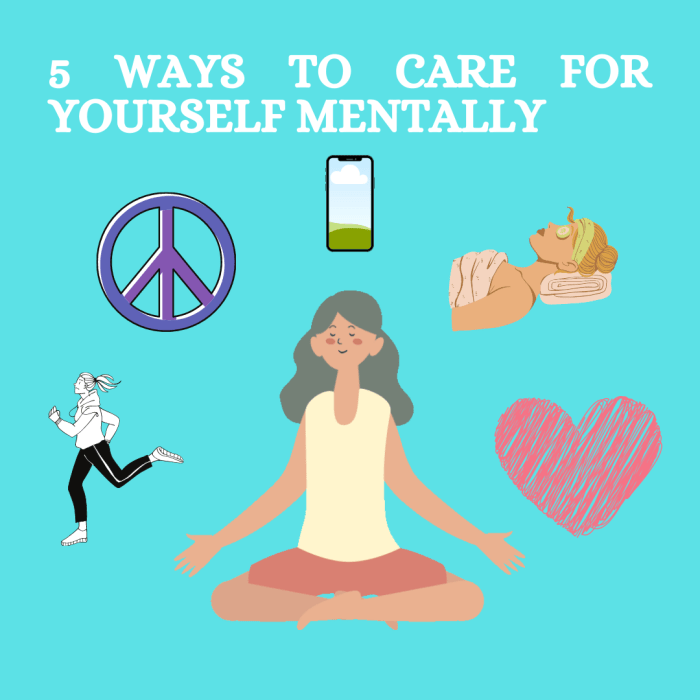
As How to practice self-care for better mental wellness takes center stage, this guide invites readers into a world where self-care is paramount for overall mental well-being. From balanced diet to positive mindset, explore a holistic approach to nurturing your mental health.
Dive into the essential aspects of self-care that can transform your mental wellness, paving the way for a healthier and more balanced life.
Balanced Diet
Eating a balanced diet is crucial for maintaining good mental wellness. The nutrients we consume play a significant role in supporting brain function, mood regulation, and cognitive abilities.
Examples of Nutrient-Rich Foods
- Fatty fish like salmon, rich in omega-3 fatty acids, which are essential for brain health.
- Leafy green vegetables such as spinach and kale, packed with antioxidants and vitamins that support overall brain function.
- Berries like blueberries and strawberries, known for their high levels of antioxidants that help reduce inflammation and improve memory.
- Nuts and seeds like almonds and walnuts, which provide healthy fats, vitamins, and minerals essential for cognitive function.
Impact of Diet on Mood and Cognitive Function
A diet rich in processed foods, sugar, and unhealthy fats can lead to inflammation in the body, which may negatively affect brain function and mood stability. On the other hand, a diet consisting of nutrient-dense foods can help improve mood, increase focus, and support cognitive abilities.
Physical Fitness
Regular physical activity plays a crucial role in maintaining good mental wellness. The relationship between physical fitness and mental health is closely intertwined, with exercise having a direct impact on our psychological well-being.Exercise has numerous benefits for improving mental health.
Not only does it help in reducing symptoms of depression and anxiety, but it also enhances cognitive function and boosts self-esteem. Physical activity can also promote better sleep, increase energy levels, and improve overall mood.
Benefits of Regular Exercise for Mental Health
- Release of endorphins, also known as “feel-good” hormones, which can help reduce feelings of stress and anxiety.
- Improvement in brain function and memory, leading to better focus and cognitive abilities.
- Enhanced self-esteem and body image, contributing to a more positive outlook on life.
- Reduction in symptoms of depression and anxiety, providing a natural mood boost.
- Promotion of better sleep patterns, resulting in increased rest and recovery for the mind.
Adequate Hydration
Maintaining proper hydration is crucial for good mental health as well as overall well-being. Dehydration can have a significant impact on mood, cognitive performance, and even lead to serious health issues if left unchecked.
The Role of Hydration in Mental Health
Adequate hydration is essential for proper brain function. The brain is made up of about 75% water, and when we are dehydrated, it can lead to decreased cognitive abilities, difficulty concentrating, and mood disturbances. Staying hydrated helps ensure that the brain receives enough oxygen and nutrients to function optimally.
Effects of Dehydration on Mood and Cognitive Performance
- Dehydration can lead to feelings of irritability, anxiety, and even depression.
- Cognitive functions such as memory, attention, and decision-making may be impaired when the body lacks sufficient water.
- Studies have shown that even mild dehydration can have a negative impact on mood and cognitive performance.
Tips for Staying Adequately Hydrated
- Carry a reusable water bottle with you throughout the day as a reminder to drink water regularly.
- Set specific goals for water intake, such as drinking a glass of water before each meal or filling up your water bottle at certain times.
- Flavor your water with fruits or herbs to make it more enjoyable and increase your intake.
- Avoid excessive consumption of caffeinated or sugary beverages, as they can contribute to dehydration.
- Monitor your urine color – clear or light yellow urine is a good indicator of adequate hydration.
- Include hydrating foods in your diet, such as fruits and vegetables with high water content.
Stress Management
Managing stress is crucial for better mental wellness. Chronic stress can have a negative impact on mental health, leading to anxiety, depression, and other serious conditions. It is important to incorporate stress management techniques into your daily routine to maintain a healthy mind.
Mindfulness Practices for Stress Relief
Mindfulness practices can be effective in reducing stress levels and promoting mental well-being. Here are some examples of mindfulness techniques you can try:
- Deep Breathing: Take slow, deep breaths to calm the mind and body.
- Meditation: Practice meditation to focus on the present moment and let go of worries.
- Yoga: Engage in yoga exercises to reduce stress and increase relaxation.
- Progressive Muscle Relaxation: Tense and relax different muscle groups to release tension and stress.
- Journaling: Write down your thoughts and feelings to process emotions and gain clarity.
Quality Sleep
Getting quality sleep is crucial for maintaining good mental well-being. Sleep plays a vital role in regulating emotions, consolidating memories, and overall brain function.
Importance of Quality Sleep
Quality sleep allows the brain to recharge and repair itself, leading to improved mood, better focus, and increased cognitive function. It also helps in regulating emotions and reducing stress levels.
Effects of Sleep Deprivation
- Sleep deprivation can lead to irritability, mood swings, and difficulty in concentrating. It can also impair decision-making abilities and increase the risk of developing mental health disorders.
- Chronic sleep deprivation has been linked to depression, anxiety, and other mood disorders. It can also weaken the immune system and increase the risk of developing chronic health conditions.
Tips for Improving Sleep Hygiene
- Establish a regular sleep schedule by going to bed and waking up at the same time every day, even on weekends.
- Create a relaxing bedtime routine to signal your body that it’s time to wind down, such as taking a warm bath or reading a book.
- Avoid stimulants like caffeine and electronics before bedtime, as they can disrupt your sleep cycle.
- Make sure your sleep environment is comfortable, dark, quiet, and cool to promote better sleep quality.
- Limit naps during the day and engage in regular physical activity to help regulate your sleep-wake cycle.
Healthy Lifestyle
Maintaining a healthy lifestyle is crucial for promoting mental wellness and overall well-being. By incorporating key components such as balanced nutrition, regular exercise, and stress management, individuals can experience a multitude of benefits that positively impact their mental health.
Key Components of a Healthy Lifestyle
- Eating a balanced diet rich in fruits, vegetables, whole grains, and lean proteins.
- Engaging in regular physical activity to boost mood and reduce stress.
- Practicing stress management techniques such as mindfulness, meditation, or yoga.
- Building strong social connections and fostering supportive relationships.
Benefits of Adopting a Healthy Lifestyle
- Improved mental clarity and focus for better decision-making.
- Enhanced mood and reduced risk of anxiety and depression.
- Increased energy levels and overall sense of well-being.
- Reduced risk of chronic diseases and improved longevity.
Examples of Habits for a Healthy Lifestyle
- Meal prepping and planning to ensure nutritious eating habits.
- Incorporating physical activity into daily routines, such as walking or cycling.
- Setting aside time for relaxation and self-care activities.
- Prioritizing sleep hygiene for quality rest and rejuvenation.
Preventive Care
Preventive care plays a crucial role in maintaining good mental health by taking proactive steps to prevent the development or worsening of mental health issues. By focusing on prevention, individuals can reduce the risk of experiencing mental health challenges and improve overall well-being.
Regular Check-ups and Screenings
Regular check-ups and screenings are essential for maintaining mental wellness as they allow healthcare providers to identify any potential issues early on. Through routine visits, individuals can address any concerns, receive necessary support, and access appropriate resources to manage their mental health effectively.
- Attend annual physical exams to monitor overall health and discuss any mental health concerns with your healthcare provider.
- Participate in mental health screenings to assess your current state and identify any signs of potential mental health conditions.
- Stay informed about the recommended screenings for mental health issues based on your age, gender, and family history.
Incorporating Preventive Care Practices
Incorporating preventive care practices into daily life can significantly impact mental wellness by promoting healthy habits and proactive measures to support mental health.
- Practice stress-reducing techniques such as mindfulness, meditation, or deep breathing exercises to manage stress levels effectively.
- Engage in regular physical activity to boost mood, reduce anxiety, and improve overall mental well-being.
- Eat a balanced diet rich in nutrients to support brain function and mental health.
- Stay connected with friends and loved ones to establish a strong support system and foster positive relationships.
Cardio Health
Cardiovascular health plays a crucial role in mental well-being, as the heart and brain are closely interconnected. A healthy heart ensures proper blood flow to the brain, delivering essential nutrients and oxygen, which are vital for cognitive function and emotional regulation.
Benefits of Cardiovascular Exercise for Mental Health
Regular cardiovascular exercise has numerous benefits for mental wellness. It helps reduce symptoms of anxiety and depression, improves mood, and enhances overall cognitive function. Exercise releases endorphins, also known as “feel-good” hormones, which can help alleviate stress and boost self-esteem.
- Improved Mood: Cardio workouts can help elevate mood and reduce feelings of sadness or anxiety.
- Stress Reduction: Engaging in cardiovascular activities can help lower stress levels and promote relaxation.
- Enhanced Cognitive Function: Regular cardio exercise can improve focus, memory, and overall brain function.
Remember, even moderate-intensity cardio exercises like brisk walking or cycling can have positive effects on mental health.
Immune Boost
Having a strong immune system is closely linked to mental wellness as it can help reduce the risk of infections and illnesses that may contribute to stress and anxiety. When our immune system is functioning well, our bodies are better equipped to handle the physical and emotional challenges that come our way.
Immune-Boosting Strategies for Mental Health
Boosting your immune system can have a positive impact on your mental well-being. Here are some strategies to enhance your immunity and support your mental health:
- Include foods rich in vitamins and antioxidants, such as fruits, vegetables, and nuts, in your diet to strengthen your immune system and improve your mood.
- Consider taking supplements like vitamin D, vitamin C, and zinc to fill any nutritional gaps and support your immune function.
- Engage in regular physical activity to boost your immune system, reduce inflammation, and lower stress levels, all of which can benefit your mental health.
- Practice relaxation techniques like meditation, deep breathing exercises, or yoga to reduce stress hormones and strengthen your immune response.
Foods and Supplements for Immunity and Mental Well-being
Here are some examples of foods and supplements that can help boost your immunity and support your mental well-being:
| Foods | Supplements |
|---|---|
| Citrus fruits (e.g., oranges, grapefruits) | Vitamin D |
| Leafy greens (e.g., spinach, kale) | Vitamin C |
| Yogurt and kefir | Zinc |
Positive Mindset
Cultivating a positive mindset is crucial for maintaining good mental health. It involves focusing on the good in every situation, practicing gratitude, and approaching challenges with optimism.A positive attitude can have a significant impact on overall well-being. It can reduce stress levels, improve resilience, enhance relationships, and even boost physical health.
When you have a positive mindset, you are better equipped to handle life’s ups and downs with grace and composure.
Tips for Fostering a Positive Outlook on Life, How to practice self-care for better mental wellness
- Acknowledge and challenge negative thoughts: Pay attention to negative self-talk and replace it with positive affirmations.
- Practice gratitude: Take time each day to reflect on things you are grateful for, no matter how small they may seem.
- Surround yourself with positivity: Surround yourself with people who uplift and support you, and engage in activities that bring you joy.
- Focus on solutions, not problems: Instead of dwelling on problems, focus on finding solutions and taking positive action.
- Take care of yourself: Self-care practices such as meditation, exercise, and hobbies can help boost your mood and promote a positive mindset.
Clean Eating
When it comes to mental wellness, clean eating plays a crucial role in maintaining a healthy mind and body. Clean eating involves consuming whole, unprocessed foods that are rich in nutrients and free from additives or artificial ingredients.
Benefits of Clean Eating for Mental Wellness
Clean eating can have a significant impact on mood and cognitive function. By fueling your body with nutrient-dense foods, you provide the essential vitamins and minerals needed for optimal brain health. This can help improve focus, concentration, and overall mental clarity.
- A diet high in fruits, vegetables, whole grains, and lean proteins can help stabilize blood sugar levels, reducing mood swings and irritability.
- Healthy fats found in foods like avocados, nuts, and seeds can support brain function and improve mental well-being.
- Avoiding processed foods and excess sugar can prevent inflammation in the body, which has been linked to depression and anxiety.
Daily Activity
Regular physical activity plays a crucial role in improving mental well-being. Incorporating daily activity into your routine can have a positive impact on your overall mental health.
Importance of Daily Physical Activity
Engaging in daily physical activity helps release endorphins, which are known as “feel-good” hormones. These endorphins can help reduce feelings of stress, anxiety, and depression, leading to improved mental wellness.
Small Daily Activities for Better Mental Health
- Take a short walk during your lunch break to rejuvenate your mind and body.
- Practice deep breathing exercises to calm your mind and reduce stress levels.
- Do a few minutes of stretching or yoga to improve flexibility and relax your muscles.
- Dance to your favorite music to boost your mood and increase energy levels.
Holistic Health
Holistic health focuses on treating the whole person, considering physical, emotional, mental, and spiritual aspects to achieve overall well-being. This approach emphasizes the interconnectedness of these aspects in promoting mental wellness.
Integration of Physical, Emotional, and Spiritual Well-being
- Physical well-being: Regular exercise, balanced diet, and adequate rest are vital for mental wellness.
- Emotional well-being: Practices such as mindfulness, journaling, and therapy help manage emotions and reduce stress.
- Spiritual well-being: Meditation, yoga, and connecting with nature can enhance spiritual health and mental clarity.
Holistic Practices for Mental Wellness
- Yoga and meditation: These practices promote relaxation, reduce anxiety, and improve focus.
- Aromatherapy: Essential oils can have a calming effect on the mind and body.
- Acupuncture: Stimulating specific points on the body can help alleviate mental health issues.
- Herbal supplements: Natural remedies like ashwagandha and St. John’s Wort may support mental well-being.
Mindful Living
Mindful living is a practice that involves being fully present and aware of each moment without judgment. It can have numerous benefits for mental health by reducing stress, anxiety, and negative thought patterns. Incorporating mindfulness practices into daily life can significantly improve mental well-being and overall quality of life.
Benefits of Mindful Living for Mental Health
- Reduced stress and anxiety levels
- Improved focus and concentration
- Enhanced self-awareness and emotional regulation
- Increased feelings of gratitude and compassion
- Better ability to cope with challenges and setbacks
Tips for Incorporating Mindfulness into Daily Life
- Start with short mindfulness exercises, such as deep breathing or body scans, in the morning or before bedtime.
- Practice mindful eating by savoring each bite and paying attention to the flavors and textures of your food.
- Engage in daily activities, such as walking or cleaning, with full awareness of your movements and surroundings.
- Use mindfulness apps or guided meditation sessions to help establish a regular practice.
- Take moments throughout the day to pause, breathe, and check in with yourself to stay present.
Emotional Balance
Emotional balance plays a crucial role in maintaining mental wellness. It involves being aware of and managing your emotions effectively to navigate through life’s challenges with resilience and positivity.
Importance of Emotional Balance
Emotional balance is essential for overall health as it impacts various aspects of our well-being. When we are emotionally stable, we are better equipped to handle stress, make rational decisions, build healthy relationships, and cope with adversity. It also contributes to improved cognitive function, increased productivity, and a sense of fulfillment in life.
Strategies for Achieving and Maintaining Emotional Balance
- Practice mindfulness and self-awareness: Take time to reflect on your emotions, identify triggers, and develop healthy coping mechanisms.
- Cultivate positive relationships: Surround yourself with supportive and understanding individuals who uplift your spirits and provide a sense of belonging.
- Engage in activities that bring you joy: Pursue hobbies, exercise, or creative outlets that help you relax and unwind.
- Seek professional help when needed: Don’t hesitate to reach out to therapists or counselors for guidance in managing your emotions effectively.
- Practice self-compassion: Be kind to yourself, practice self-care, and forgive your mistakes to nurture a positive self-image.
Health Education: How To Practice Self-care For Better Mental Wellness
Health education plays a crucial role in promoting mental wellness by providing individuals with the knowledge and skills needed to take care of their mental health effectively. It helps raise awareness about the importance of mental well-being, reduce stigma surrounding mental health issues, and empower individuals to seek help when needed.
Role of Health Education in Promoting Mental Wellness
Health education equips individuals with the necessary information and strategies to prevent mental health problems, recognize early warning signs, and access appropriate support and resources. By promoting mental health literacy, health education can help individuals develop resilience, cope with stress, and maintain positive mental well-being.
- Health education enhances understanding of mental health concepts and practices.
- It encourages open discussions about mental health and reduces misconceptions.
- Health education empowers individuals to prioritize their mental well-being and seek help when needed.
Importance of Understanding Mental Health Concepts and Practices
Understanding mental health concepts and practices is essential for promoting overall well-being and preventing mental health problems. It enables individuals to recognize the signs of mental distress, access appropriate resources, and engage in self-care practices that support mental wellness.
- Increased awareness can lead to early intervention and improved outcomes for mental health conditions.
- Understanding mental health promotes empathy, reduces stigma, and fosters supportive communities.
- Knowledge about mental health equips individuals with tools to manage stress and maintain emotional balance.
Resources for Health Education Related to Mental Well-being
There are various resources available for individuals seeking to educate themselves about mental health and well-being. These resources include online platforms, educational websites, mental health organizations, support groups, and mental health professionals who can provide accurate information, guidance, and support.
It is important to choose reliable sources and resources for accurate and up-to-date information on mental health.
Self-Care
Self-care practices play a crucial role in promoting better mental health. By taking care of ourselves physically, emotionally, and mentally, we can reduce stress, improve our mood, and increase overall well-being. Engaging in self-care activities is essential for maintaining a healthy mind and body.
Types of Self-Care Activities
- Physical Self-Care: This includes activities such as exercise, proper nutrition, and adequate rest, which are vital for overall well-being.
- Emotional Self-Care: Practices like journaling, therapy, and mindfulness help manage emotions and promote emotional health.
- Social Self-Care: Building and maintaining healthy relationships, setting boundaries, and seeking support from loved ones are key aspects of social self-care.
- Mental Self-Care: Engaging in activities that stimulate the mind, such as reading, puzzles, and learning new skills, can enhance mental well-being.
Examples of Self-Care Routines
- Start your day with a healthy breakfast and some light stretching to set a positive tone for the day.
- Take short breaks throughout the day to relax, breathe deeply, or practice mindfulness to reduce stress levels.
- Engage in regular physical activity, whether it’s going for a walk, practicing yoga, or hitting the gym to boost your mood and energy levels.
- Create a bedtime routine that promotes quality sleep, such as turning off screens an hour before bed and reading a book to unwind.
- Set aside time for hobbies or activities you enjoy, whether it’s painting, gardening, or playing music, to nurture your creativity and passion.
Chronic Disease
Chronic diseases can have a significant impact on mental health. Dealing with a long-term illness can lead to feelings of stress, anxiety, depression, and even isolation. The constant management of symptoms, doctor visits, and lifestyle changes can take a toll on one’s mental well-being.
Strategies for Managing Mental Wellness with Chronic Disease
- Stay connected: Reach out to friends, family, or support groups to share your feelings and experiences.
- Practice self-care: Prioritize activities that bring you joy and relaxation, such as meditation, hobbies, or gentle exercises.
- Seek professional help: Consider therapy or counseling to work through the emotional challenges of living with a chronic condition.
- Stay informed: Educate yourself about your illness to better understand and cope with its effects on your mental health.
- Set realistic goals: Break down tasks into manageable steps to prevent feeling overwhelmed by the demands of your condition.
Tips for Individuals Dealing with Mental Health and Chronic Disease
- Establish a routine: Consistency can provide a sense of stability and control amidst the uncertainties of chronic illness.
- Practice gratitude: Focus on the positive aspects of your life to counterbalance the challenges posed by your condition.
- Stay active: Engage in physical activity within your limitations to boost your mood and overall well-being.
- Monitor your mental health: Keep track of your emotions and seek help if you notice persistent feelings of sadness or anxiety.
- Stay connected: Build a support network of understanding individuals who can offer encouragement and companionship.
Concluding Remarks
In conclusion, embracing self-care practices is not just an act of kindness towards yourself but a fundamental step towards achieving better mental wellness. By prioritizing your self-care routine, you are investing in a happier and more fulfilling life.
Essential FAQs
How can self-care activities impact mental wellness?
Self-care activities help reduce stress, improve mood, and enhance overall mental well-being by promoting a sense of calm and relaxation.
What are some simple self-care practices that can be incorporated into daily life?
Practicing mindfulness, engaging in regular physical activity, maintaining a balanced diet, and ensuring quality sleep are simple yet effective self-care practices.
Why is self-care important for mental health?
Self-care is crucial for mental health as it helps individuals manage stress, maintain emotional balance, and build resilience against life’s challenges.